




Finding Purpose Through Music: Gibson Opens Up About His Journey, Inspiration, and the Story Behind the Sound
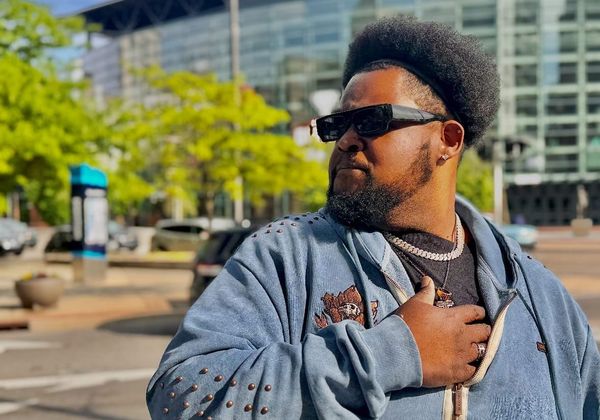
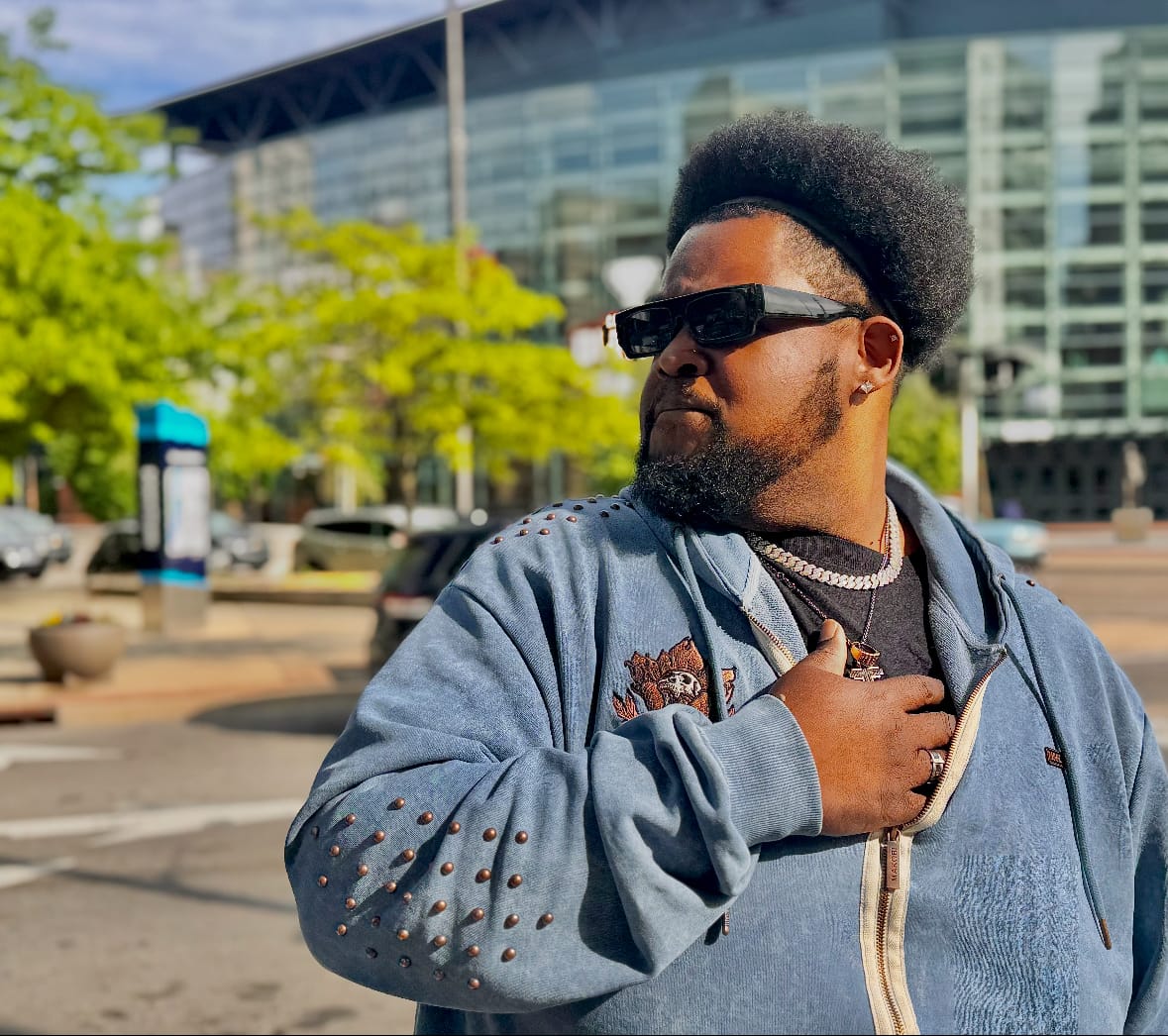
Every artist has a story, but not every artist is willing to tell it with complete honesty. Michigan recording artist Gibson has built his music around authenticity, allowing listeners to experience both the victories and the struggles that have shaped his life. Rather than creating songs for temporary attention, he approaches every project with the goal of connecting through real emotion, meaningful storytelling, and a willingness to be vulnerable.
Fresh off the release of his latest EP, This Is What I Get, Gibson sits down to discuss his musical beginnings, the experiences that continue to influence his artistry, the evolution of hip-hop, and what supporters can expect from him next.
When did you first realize rap was more than just a hobby for you, and what was the moment that made you say, "This is it?"
Honestly, it’s always been the vehicle to where I want to be in life. From the moments I could barely see over the keys of the piano but got to play it for the first time, to my first time walking into a recording studio in 2017. I’ve always known music was going to be my path.
When you’re writing, do you start with the beat, the lyrics, or a feeling you want to make known?
It depends on how I feel when inspiration hits. I’ve searched for the perfect beat for lyrics, and I’ve also heard a beat that inspired a song. Being an artist that can create from the ground up because I’ve played several different instruments has its advantages.
Which artists or life experiences have shaped your style the most, and how can listeners hear that influence in your music?
J. Cole has been a pretty big one because he’s such a great storyteller. You feel his music. You feel his lyrics. He’s out here living real life, not being flashy or trying to be in everyone’s face, but he always has a story to tell—and you’re going to feel it. My EP tells a story too. Everyone’s story, not just mine.
If someone had never heard your music before, which one track should they start with, and why?
"Miss You." It’s the song I wrote for my mother. To understand me, you have to understand I’ve lost a lot, and music is really therapy to me. "I’m Ready" would be a close second. It’s not as heavy, but it still gives people an idea of who I am and what I’m trying to accomplish with my music.
What’s the hardest obstacle you’ve faced in your career, and how did you overcome it?
My brain naturally sees opportunities where most people see obstacles. But the things that have truly shaken me were losing my mother, battling mental health, and experiencing things outside of my control, like the time I spent in prison. When it comes to loss, grief, and depression, you have to learn how to live with it and find your reasons to keep going. I hope my music inspires people to push through whatever life throws at them. No matter what you've been through, everyone has a purpose and a dream. It’s up to you to discover it.
You’ve probably lived through moments your fans don’t know about—what’s one personal story behind a song that changed how you see life or music?
My struggles with mental health built walls around me. Going through that gave me a much deeper understanding of the thoughts behind depression and suicide. It changed the way I see life and the way I approach music.
How do you feel about the current state of hip-hop, and where do you see yourself fitting into it?
I think it’s perfect. I fit here because I’m not confined to one genre. Country, R&B, jazz, pop, soul—everything is blending together now. I love mashups, remixes, experimentation, and sampling. Musical diversity is exactly what the culture needed, and right now there really isn’t a box for hip-hop. People are creating freely, and it’s working.
What’s the most misunderstood thing about you as an artist or person, and how does your music set the record straight?
People probably assume rap is my favorite genre, but it’s actually somewhere between hip-hop and R&B. My music clears that up because I put so much of myself into it. I never make music confined to one genre. You can’t put me in a box.
When people talk about you years from now, what do you want them to say about your impact on the culture?
To keep it simple, I want people to understand that truth evolves. Real recognizes real, but first you have to be around real people. You don’t have to sign the first deal that comes your way, and you don’t have to become someone you’re not just to succeed. You can make it to the top by staying authentic.
What’s coming up next that fans should be excited about—whether it’s music, performances, or collaborations?
I’d like to revisit some collaborations I’ve started with some incredibly talented artists that haven’t been released yet. We’re also dropping new merchandise designed around the project. The EP was only the beginning of what’s coming. I’ve got a solid team behind me, and we’re ready to hit the ground running.
Gibson's journey is proof that resilience, authenticity, and purpose can shape not only an artist's career but also the lives of those who listen. Through every lyric, every lesson, and every chapter of his story, he continues to create music that reflects real life without compromise. As he builds on the momentum of This Is What I Get, one thing is clear: Gibson isn't chasing trends—he's creating a legacy rooted in honesty, growth, and music that people can truly feel.
Written by