Blake Lively Is Proof That American Culture Still Protects the European Standard at Any Cost
– 6 min read


Let me state this plainly, the way a Black woman who has spent more than two decades navigating the entertainment industry would say it, not the way people prefer to hear it stated—watered down, politically correct, and stripped of the bitterness that often accompanies truth.
American culture still protects the European standard at any cost, and Blake Lively has become a visible example of how that protection operates in real time, particularly when discomfort, criticism, or accountability threatens to interrupt it.
As an entertainment publicist turned journalist, my charge is not to determine guilt or innocence in the current legal dispute involving Justin Baldoni, but to examine how quickly belief is assigned, how aggressively protection is mobilized, and how casually professional destruction becomes normalized when the person being shielded fits the standard America has historically valued most. That standard has a look, and Blake Lively embodies it effortlessly.
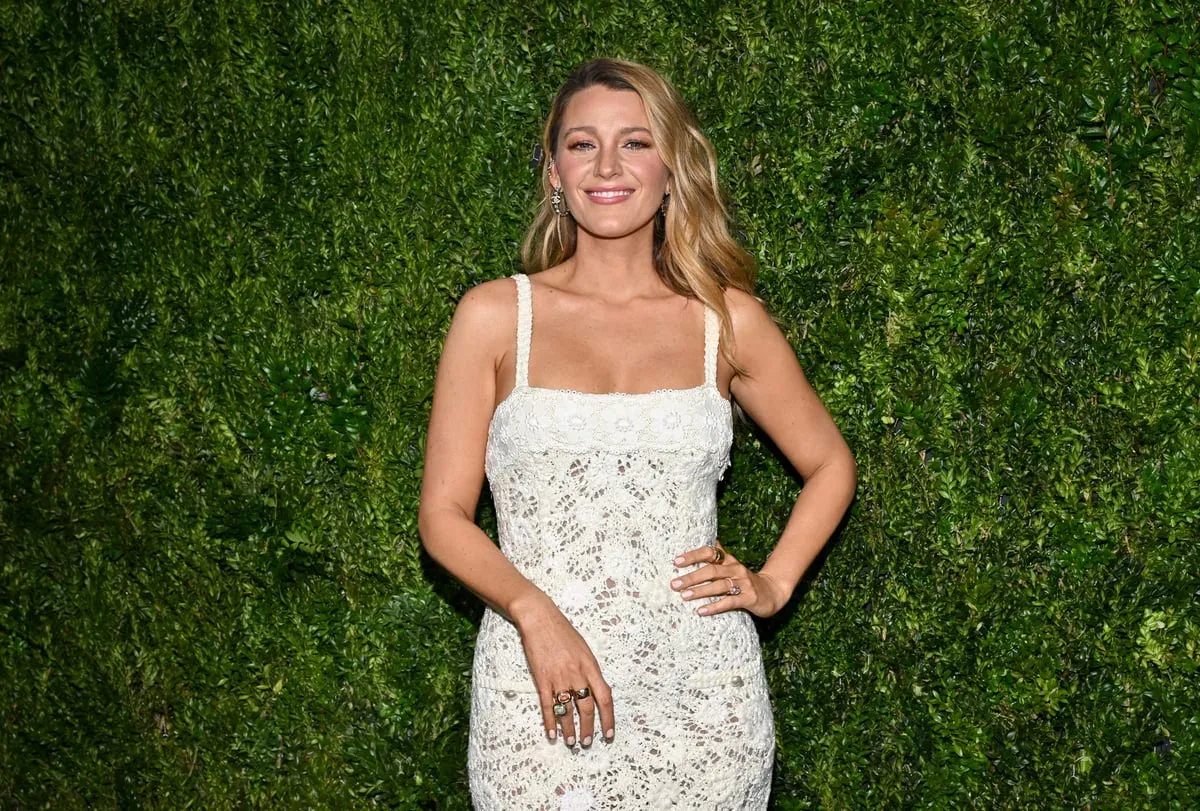
She is blonde, thin, conventionally beautiful, and closely aligned with what American culture has long been conditioned to interpret as safe, desirable, and worthy of defense. That alignment often comes with an unspoken presumption of credibility, one that softens questions and discourages doubt. When women who look like her express discomfort, the cultural response tends to move swiftly toward protection rather than inquiry, a reflex that did not originate in Hollywood but was certainly refined there.
For me, the clearest illustration of this dynamic predates the current lawsuit and emerged publicly when Blake Lively chose to hold her wedding on a plantation, a decision that revealed far more than personal taste.

Plantations are not neutral historical settings. They are sites inseparable from America’s racial violence and economic exploitation, representing systems where whiteness was protected, elevated, and centered while Black lives were subjected to control, punishment, and disposability.
Within that system, the white woman on the plantation was not merely ornamental. She could, in many cases, be the most dangerous person on the land precisely because of her influence over white men. Her word carried authority, and her discomfort—whether real or perceived—was often treated as instruction. Accusations, sometimes explicit and sometimes implied, did not require proof to trigger consequence, as white men enforced punishment, violence, and humiliation on her behalf in the name of her protection. Entire lives were altered or destroyed because of that dynamic, a history that is not speculative but documented, taught, and deeply embedded in America’s racial legacy.
When Blake Lively responded to public criticism of her wedding venue with a brief apology and moved forward without deeper engagement, many interpreted that response as insufficient. What stood out was not the apology itself, but the apparent ease with which accountability could be acknowledged and then set aside, a sense of inevitability that appears to inform how the current situation is unfolding.
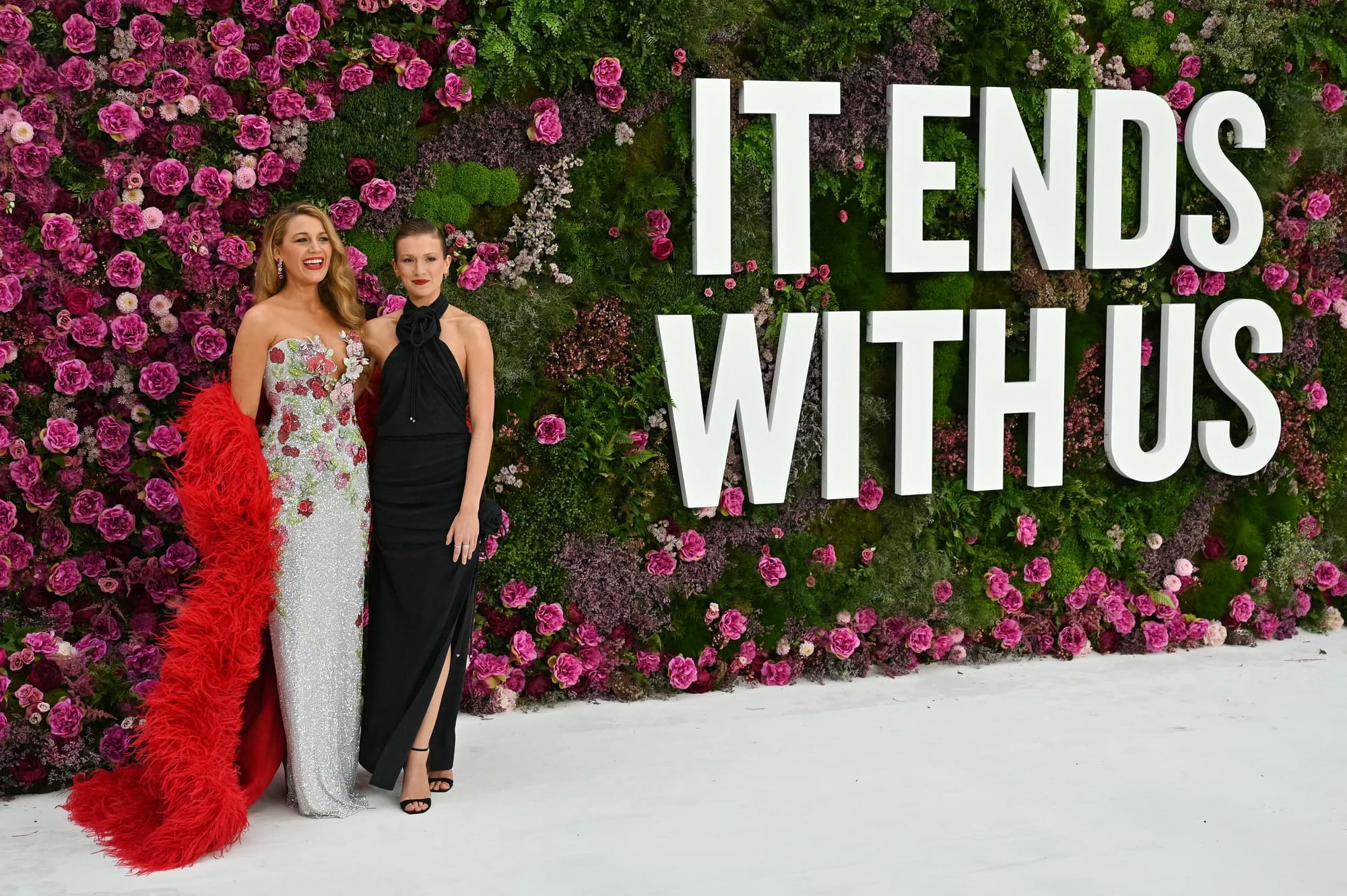
In her lawsuit, Lively alleges that Baldoni and his production company created a hostile work environment on the set of It Ends With Us, including inappropriate comments, unprofessional conduct, unwanted physical contact, and pressure to simulate nudity during a birth scene. She further alleges that after raising concerns, she experienced retaliation, including what she characterizes as reputational harm rather than internal remediation. These claims remain allegations, have not been adjudicated, and have been denied by Baldoni, yet the broader cultural response has moved with notable speed.
This is where a long-standing contradiction becomes visible. American culture claims to uphold the principle that individuals are presumed innocent until proven guilty, yet history shows that this presumption often collapses when the accuser fits a particular racial and aesthetic profile, one long shielded by cultural sympathy and institutional power. When that woman speaks, innocence becomes provisional rather than presumed.
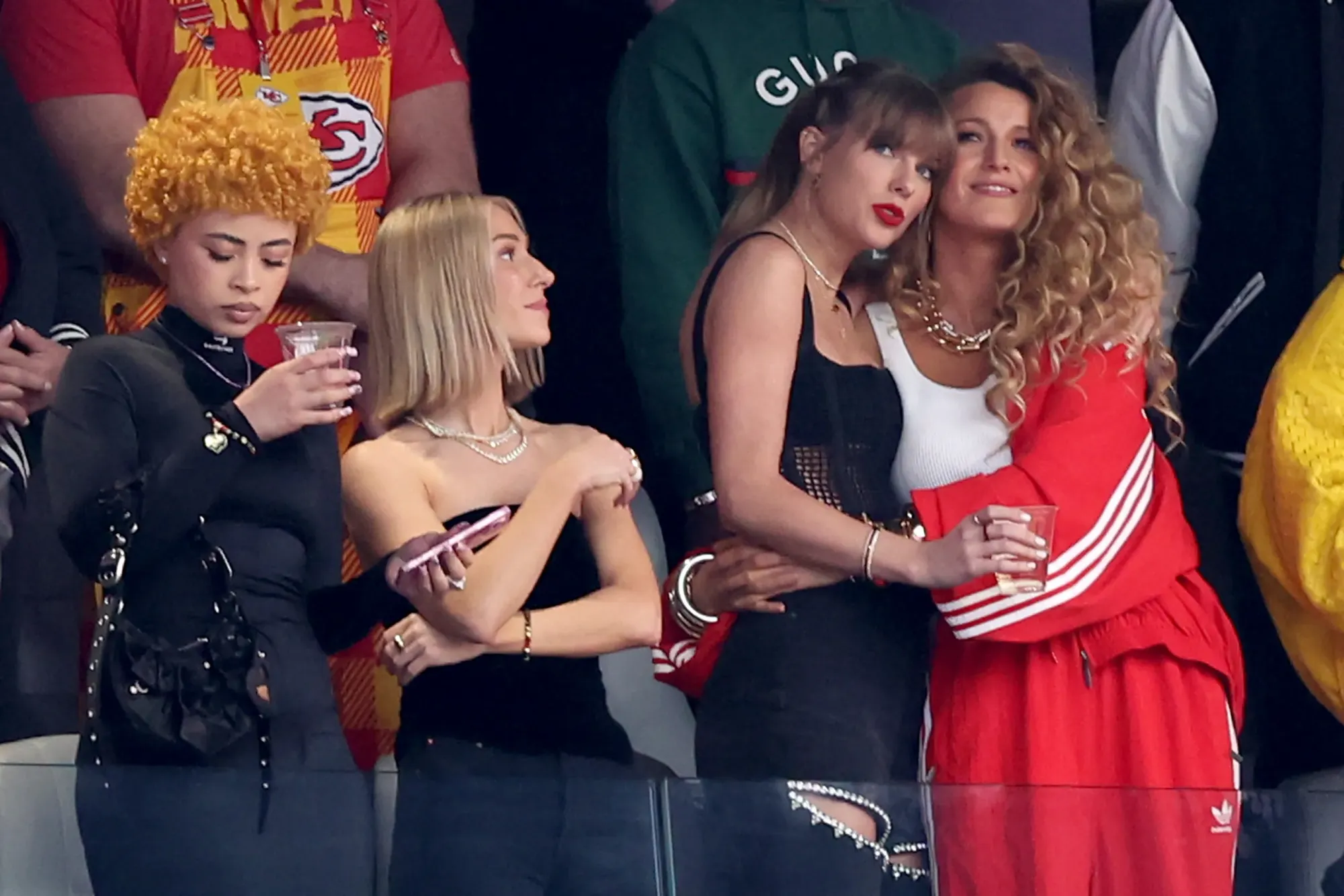
The situation escalated further when reports emerged referencing text messages involving Taylor Swift, a figure whose cultural influence is unmatched. These messages, which became public through court filings and reporting, expressed support for Lively and criticism of Baldoni, and regardless of intent, their circulation altered the terrain of the conversation.
When a figure of Swift’s magnitude enters a narrative, the issue moves beyond a workplace dispute as media framing accelerates and public allegiance solidifies. Questioning the narrative begins to feel like dissent rather than discernment, and in such moments, influence does not merely amplify belief, but grounds it.
Hollywood, despite its global reach, is an exceptionally small ecosystem where relationships overlap, reputations function as currency, and informal perception often precedes formal judgment. Within that system, there have long been industry accounts describing Lively as difficult to work with or as exercising significant control over on-set conditions, accounts often relegated to trade whispers rather than formal complaints and historically unable to gain traction.
Why those accounts fail to stick is part of the story itself. In American cultural calculus, symbolic value frequently outweighs complexity, and what a person represents can supersede what complicates the narrative. In that formula, proximity to the European beauty standard often functions as insulation.
Put plainly, Hollywood has a long record of prioritizing familiarity and marketability over nuance, even when that choice sidelines others who exist outside the preferred mold. That reality does not negate women’s experiences of harm, but it does contextualize how belief operates unevenly.
We have seen similar dynamics play out before, including in the case of Jonathan Majors, whose professional consequences preceded legal resolution. The point here is not equivalence, but pattern, as reputational consequences frequently arrive faster and harder for men of color once public narratives harden, a reality Black women have long understood..
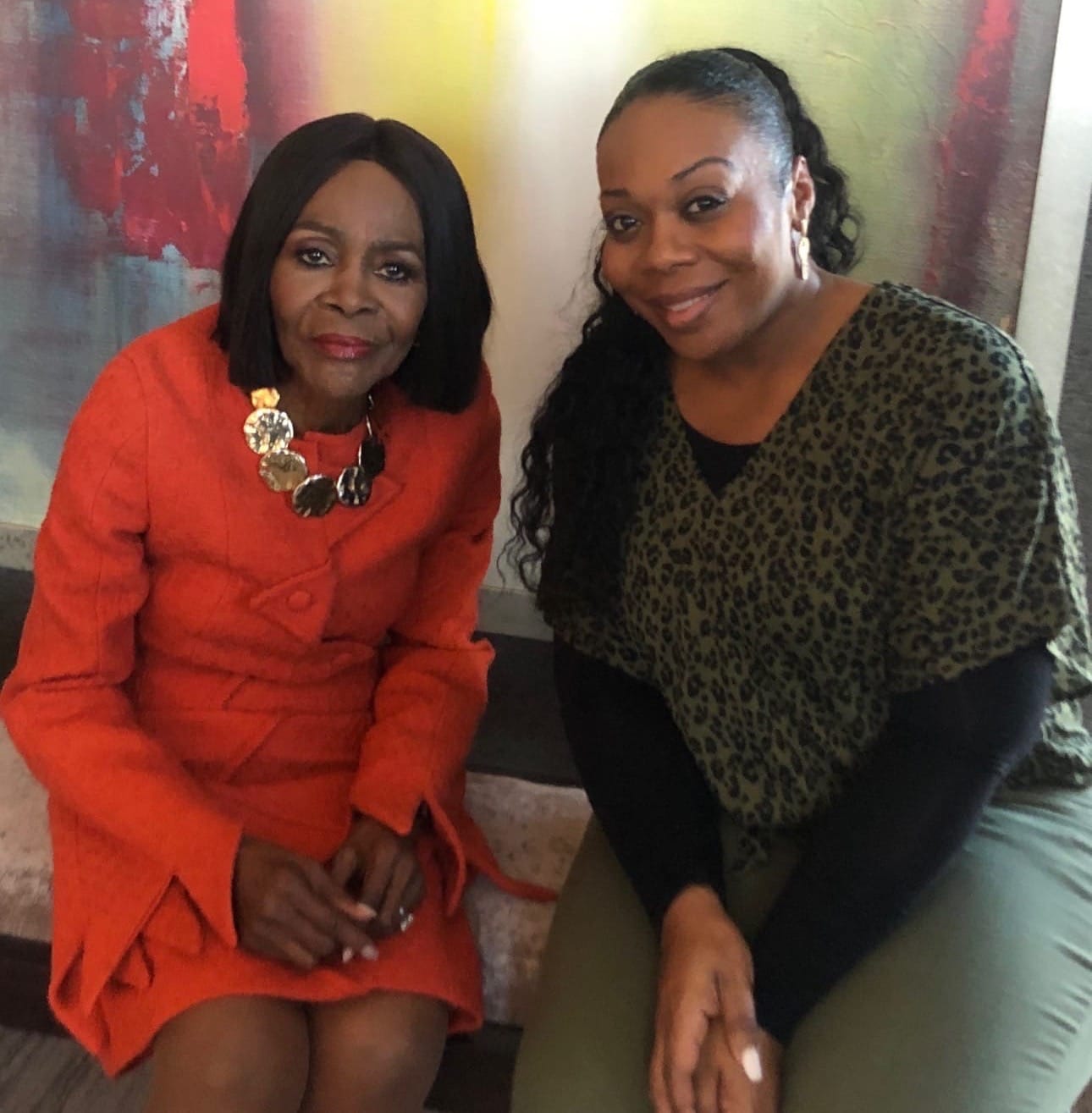
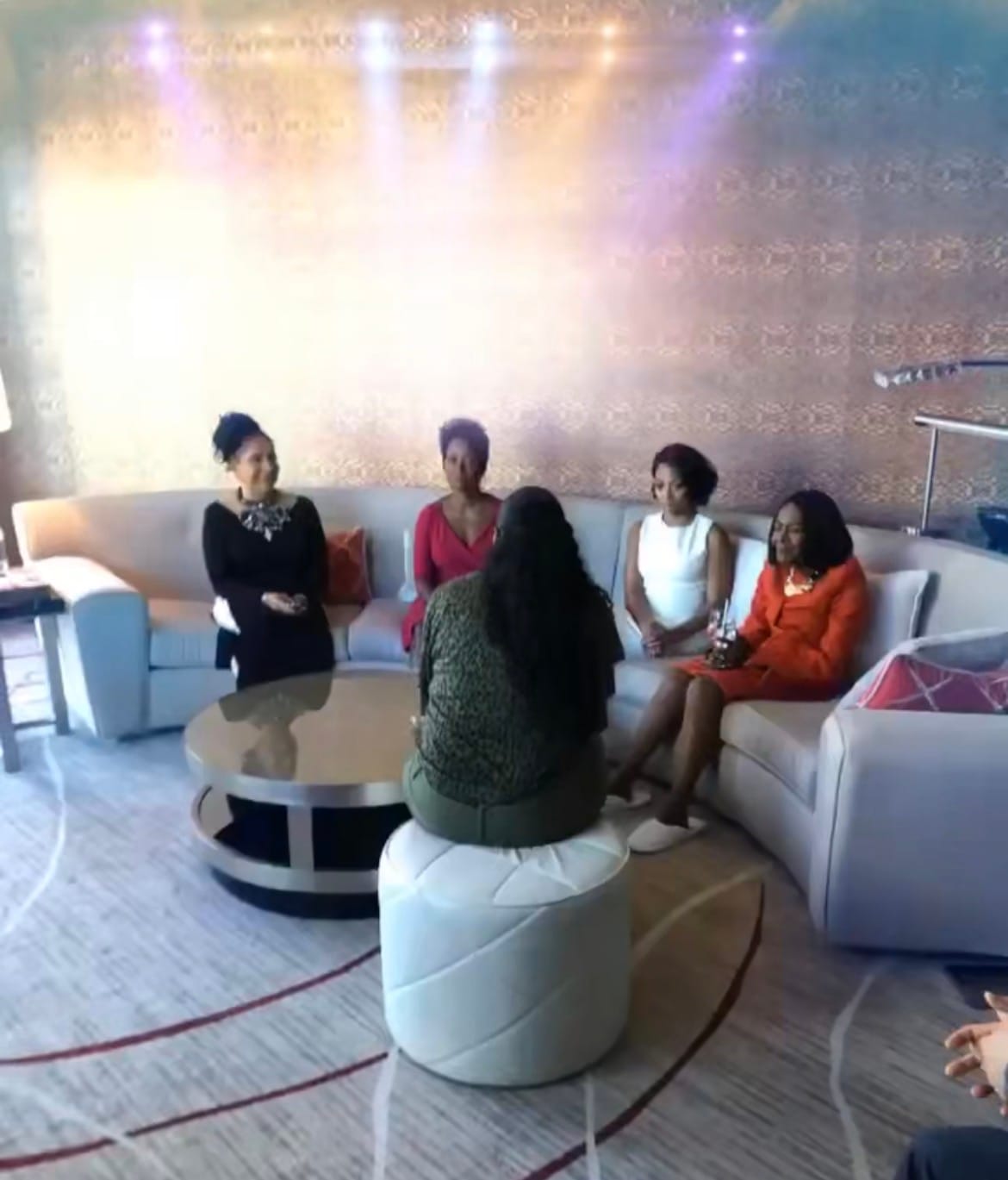
In 2020, I interviewed Cicely Tyson and asked her about the Me Too movement, and her response was immediate and unequivocal.
“That is none of my business. The white women that ask us to stand with them in the feminist movement are the same ones that treated my mother and her friends with disrespect as they cleaned their homes… They didn’t feel obligated to stand up for us and never have. So I say this Me Too movement isn’t my business. My experience in this industry does not parallel their experience.”
Her words were not rooted in hostility, but in historical clarity, naming a truth Black women have lived with for generations: white women’s vulnerability in America has often existed alongside white women’s power.
That context matters even more today because Blake Lively does not merely represent an individual claim. She represents a cultural lineage in which belief arrives swiftly and protection is rarely conditional, a reality that shapes outcomes long before courts do.
Lenox & Parker exists to interrogate these intersections honestly, and this piece does not ask readers to decide guilt. It asks them to consider how power, beauty, and race continue to influence whose voices are amplified, whose careers are destabilized, and whose discomfort is treated as definitive.
American culture has always known how to protect the European standard, and the unresolved question is how many truths it is still willing to sacrifice to do so.