American Fiction's Bold Take on Black Art and Commercialism

– 3 min read



Years ago, I had a conversation with the legendary Chuck D. of hip hop pioneer group Public Enemy about the state of hip hop. It was the early 2000's and I was working with Chuck and my co-host Mecca on a radio show titled Slam Radio. "The problem with hip hop is you've taken an art form and given it to hustlers," Chuck said. I let that statement roll around in my head for a while trying to see if the result was a positive or negative for our community. It's undeniable that Black art is a hot commodity.
Whether we are discussing music or literature or movies, the Black perspective is one that instantly sets trends and shapes the entire culture. As a result of Black art being such a valuable product, it's a very lucrative business. Jay Z's declaration, "I'm not a businessman, I'm a business, man" was one of his most prophetic lines because it's true. Corporate executives push Black art like dope on the streets. Sometimes the creatives benefit but often their compensation is pennies on the dollar for what they provide others. Even worse, corporate gatekeepers often regulate what messages they want to highlight from Black artists. The often-painful decision between what sells and what is the best representation of the Black experience has been discussed ad nauseum with no solutions in sight. Cord Jefferson's new film, 'American Fiction' pokes fun at the dilemma Black creatives have faced since blackface and Blaxploitation was birthed. How does one remain authentic to their artistic voice and still feed their families. Is selling out excusable if there are no other options? Should Black art be protected at all costs or should Blacks be open to creating what sells in order to earn a seat at the table? Are Black artists forced to become hustlers/pushers in their own right?

'American Fiction' stars acclaimed actor Jeffrey Wright as Monk an award-winning novelist respected for his literary contributions over the span of an impressive career. Unfortunately, the current climate isn't seeking intellectual projects, turning Monk into a highly respected, but financially destitute author. Unwilling to compromise his intellectual integrity, Monk rages against his agent and publisher that try encouraging him to dumb down his work. The film is based on the 2001 novel 'Erasure' by Percival Everett. The novel focuses on the dilemma of turning Black art into a marketable commodity. Using Everett's outline, Jefferson creates an opportunity for the audience to empathize with an established proud writer who is backed into a corner based on circumstances beyond his control.
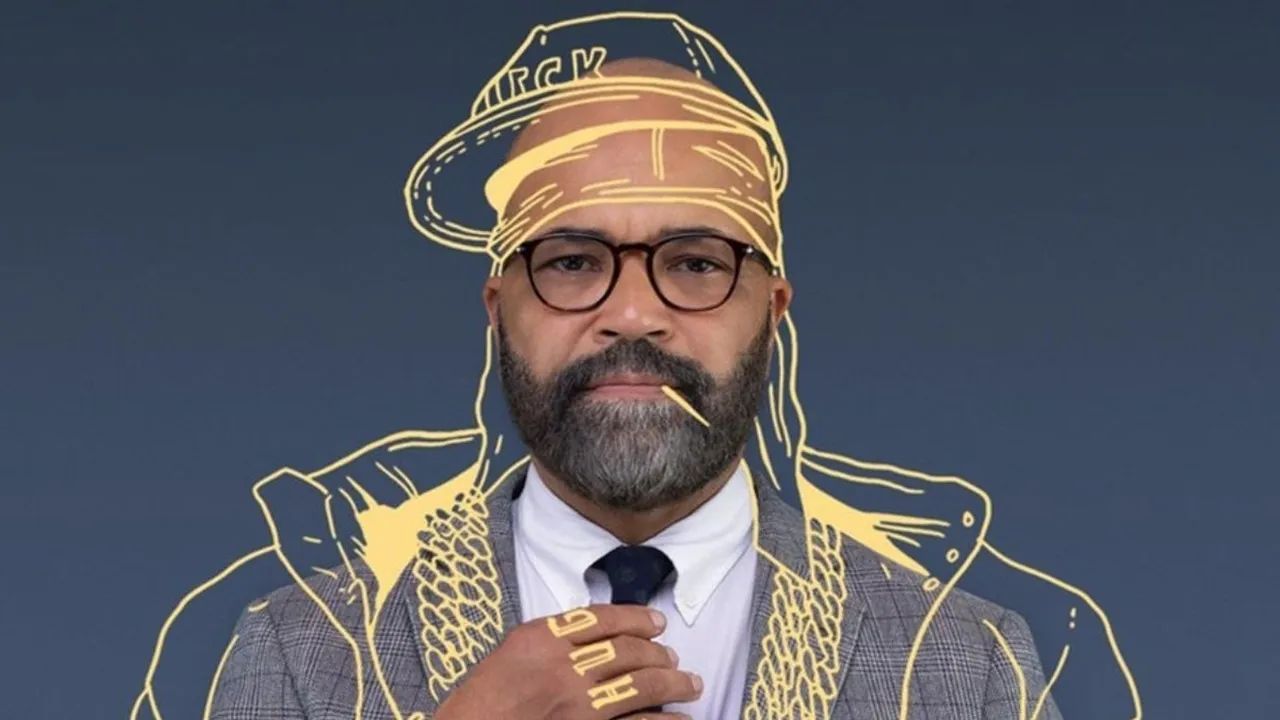
The extreme examples in the film are a reflection of everything seen in the entertainment we consume today be it music, television, books and or film. We want to believe our community is sophisticated enough to embrace the cognitively superior works of literary talents like Octavia Butler and Toni Morrison, but the reality is the majority of the Black audience prefers watching Tyler Perry dressed as Madea destroying a sofa with a chainsaw. When creators are faced with the decision of contributing to the tapestry of the Black culture, should they focus on feeding their families or feeding the culture? Is there shame in selling out?
'American Fiction' allows the audience to follow Monk on a journey of balance for himself while recognizing the hypocrisy exercised by both Black intellectuals and Black sensationalists. Wrapping the cultural conundrum in a humorous package makes the discussion more palatable and eventually more digestible. Adding Traci Ellis Ross, cultural disruptor Issa Rae and legendary actress Erika Alexander to the cast makes it impossible to dismiss the film, and offers the relevance needed to connect audiences to the principal message.
Before it's US debut, December 15th , 'American Fiction' took home the 2023 Toronto International Film Festival. Jefferson hopes the film will be a positive contributor to the Black community's conversation on entertainment, ownership and creation.