10 Reasons a Brown-Skinned Girl From Oklahoma Fell in Love With Dolly Parton
– 13 min read



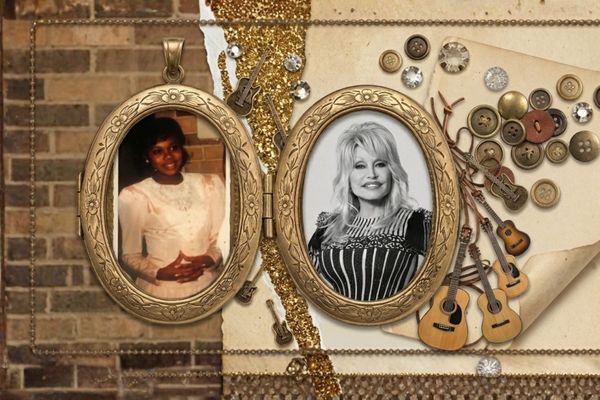
I had just finished a lunch meeting when I found out Dolly Parton was gone, and my heart dropped. I had put my phone down so I wouldn’t be distracted, and when I finally picked it back up, the first thing I saw was a video of her nephew Bryan Seaver announcing that she had passed away. I sat there stunned, partly because I had just been in Nashville two weeks earlier for the opening of a girl-power tour with TLC, En Vogue and Salt-N-Pepa. A friend had driven me by Dolly’s new SongTeller Hotel, and it was exactly what you would imagine Dolly Parton translated into a building: luminous, ornate, glamorous, colorful and beautifully over the top. I remember saying immediately that I had to come back, stay there and finally take my daughter to Dollywood.
That is probably why the news hit me so hard. It wasn’t that I thought I would ever meet Dolly or even see her, but I had literally just made plans to come back and celebrate more of the world she had created while she was still here. On that same Nashville trip, I also learned about Dolly’s travel-stop venture, which fascinated me because my husband is a truck driver. Here was this woman who had somehow gone from country music to theme parks, hotels, cake mixes, denim and even travel stops for people on the road, and somehow none of it felt random. Whether you were glamorous or practical, eight or eighty, Black or white, country or R&B, Dolly seemed to create something that made you feel welcome.
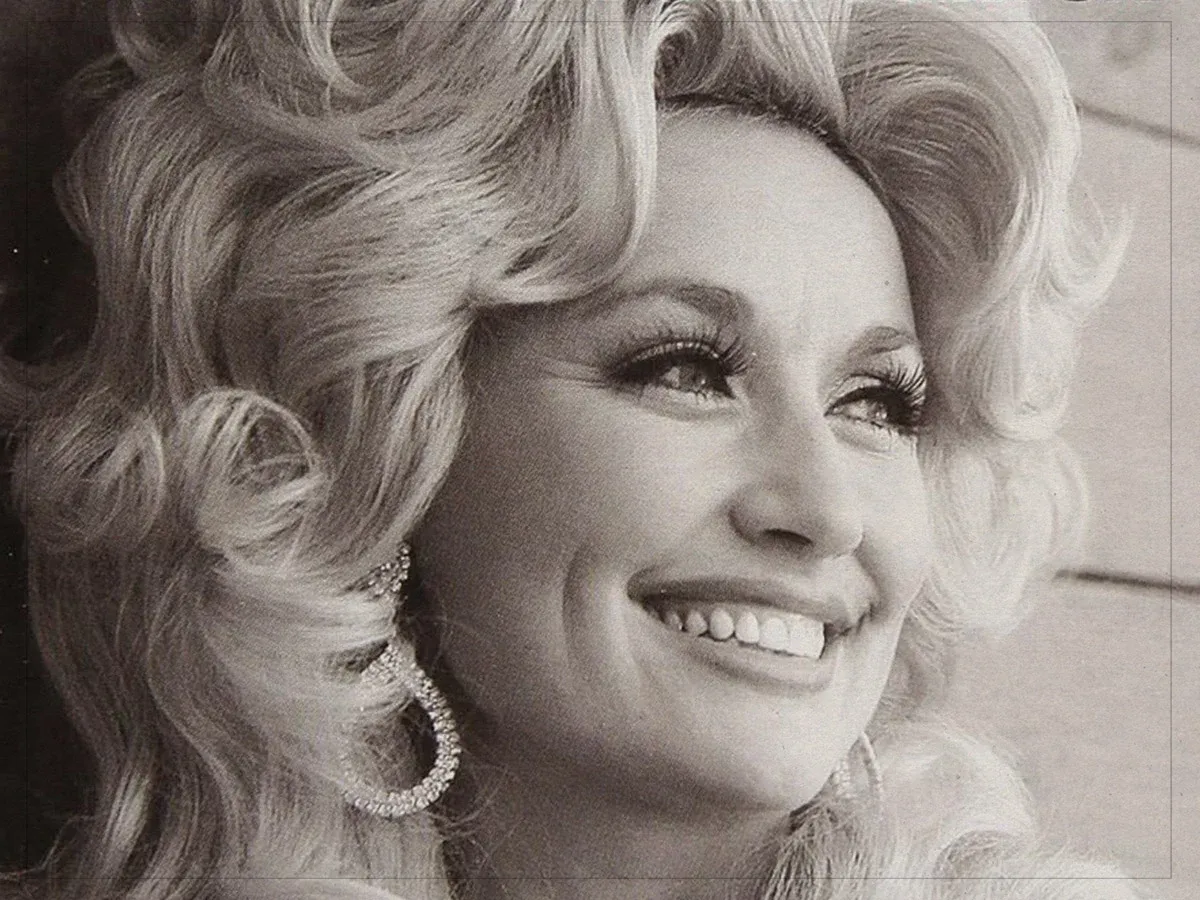
Then Bryan explained that Dolly had asked him years ago to be the person who delivered the message of her passing. He was her nephew and longtime head of security, a role his father had held before him, and hearing him speak made me admire her all over again. Even in preparing for the end of her life, she had thought about her fans, how they would receive the news and who she trusted to tell them. At the same time, it was obvious how deeply she valued family and kept them close even while becoming one of the most recognizable women in the world. That small detail reminded me why I had always loved Dolly Parton in the first place.
Dolly didn’t look like me, and she didn’t come from where I came from. Country music certainly wasn’t built around the experience of a brown-skinned little girl growing up in Oklahoma, yet somehow Dolly always felt accessible to me. You didn’t have to be white, Southern, blonde, glamorous or even a country-music fan to understand what she represented. She was completely and unapologetically herself while somehow making everyone else feel like they had permission to be themselves, too. So as I sat with the news of her passing, I started thinking about all the reasons this brown-skinned girl from Oklahoma had been in love with Dolly Parton for so long.
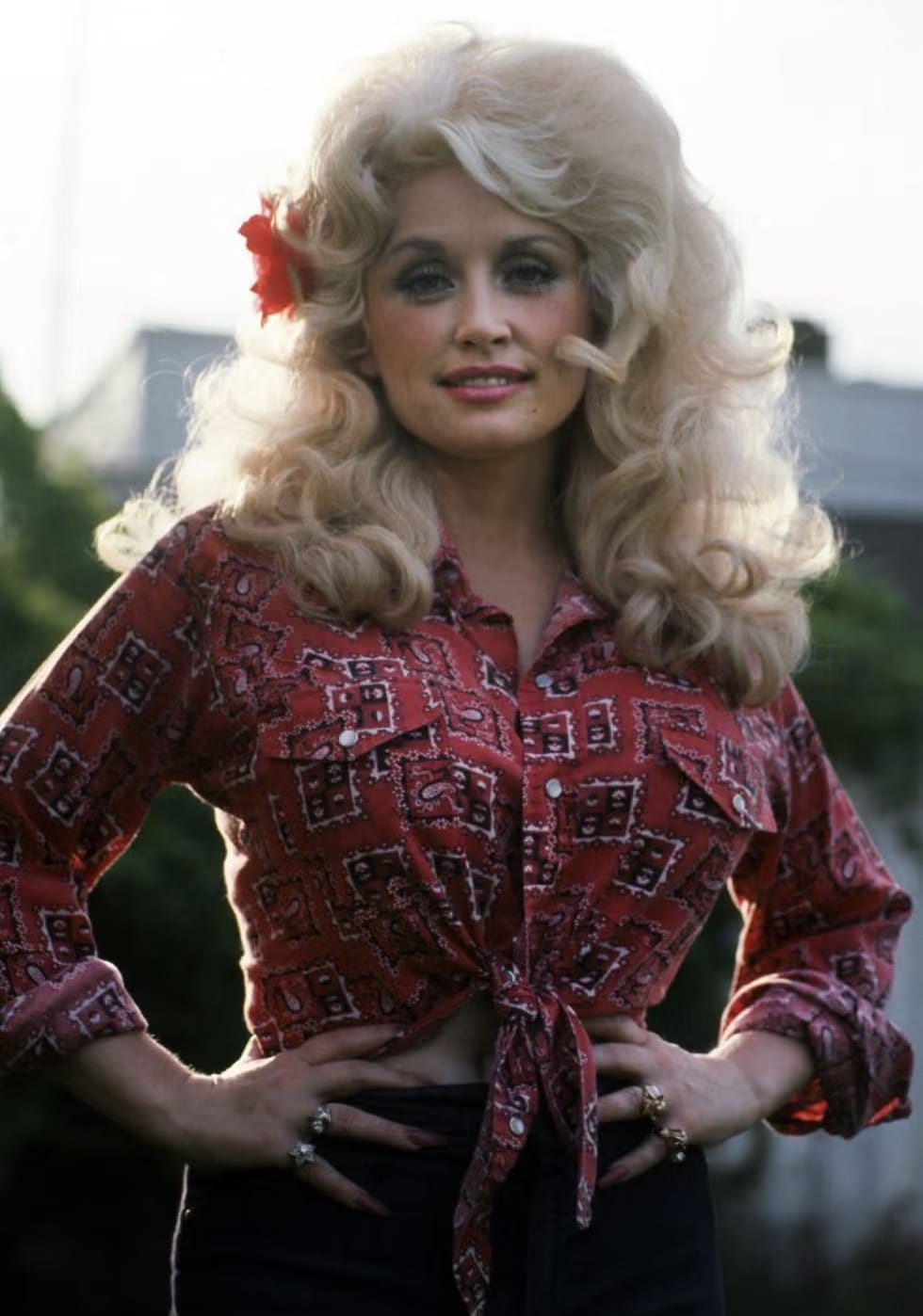
Dolly Parton knew she was beautiful, and I loved that about her. The hair was big, the nails were long, the clothes were tight, the heels were high and the cleavage was absolutely going to be present and accounted for. But what always struck me was that her beauty never felt like a weapon she used against other women. Sometimes beautiful women learn very early that beauty gives them power, and unfortunately some use that power to intimidate other women or establish a hierarchy every time they walk into a room. Dolly never gave me that energy, because she could be glamorous, sexy and larger than life without needing another woman to become smaller beside her.
She laughed at herself, joked about her wigs and cosmetic procedures and never seemed overly impressed with the image that had made her famous. That humor made her beauty feel accessible instead of intimidating. There was something wonderfully disarming about a woman who could look like Dolly Parton and still be the first person to make a joke about Dolly Parton. She seemed to understand that being beautiful didn’t make her more important than the person standing next to her. For me, that may have been one of the first lessons Dolly taught me about femininity: you can know you’re beautiful without needing somebody else to feel ugly.
This may be one of the biggest reasons I loved her. Dolly’s womanhood never felt exclusive to women who looked like Dolly Parton. You could be the beauty queen or the woman cleaning up after the beauty pageant, married or single, raising children, working two jobs, chasing a dream or simply trying to make it through the week. There was always something in her music, her movies or the way she spoke that made regular women feel included. She never presented one perfect version of femininity and then made the rest of us feel like we had failed because we didn’t fit it.
What I also loved was that Dolly could be incredibly pro-woman without making that feel anti-man. Her empowerment was never rooted in telling women they had to reject men, defeat men or become more like men in order to be powerful. You could love a man and still have ambition, be married and still belong to yourself, enjoy being feminine and still be taken seriously. Her message seemed to be that there was enough room for every kind of woman, even if those women made completely different choices with their lives. Dolly didn’t make empowerment another set of rules women had to follow, and that distinction has always mattered to me.
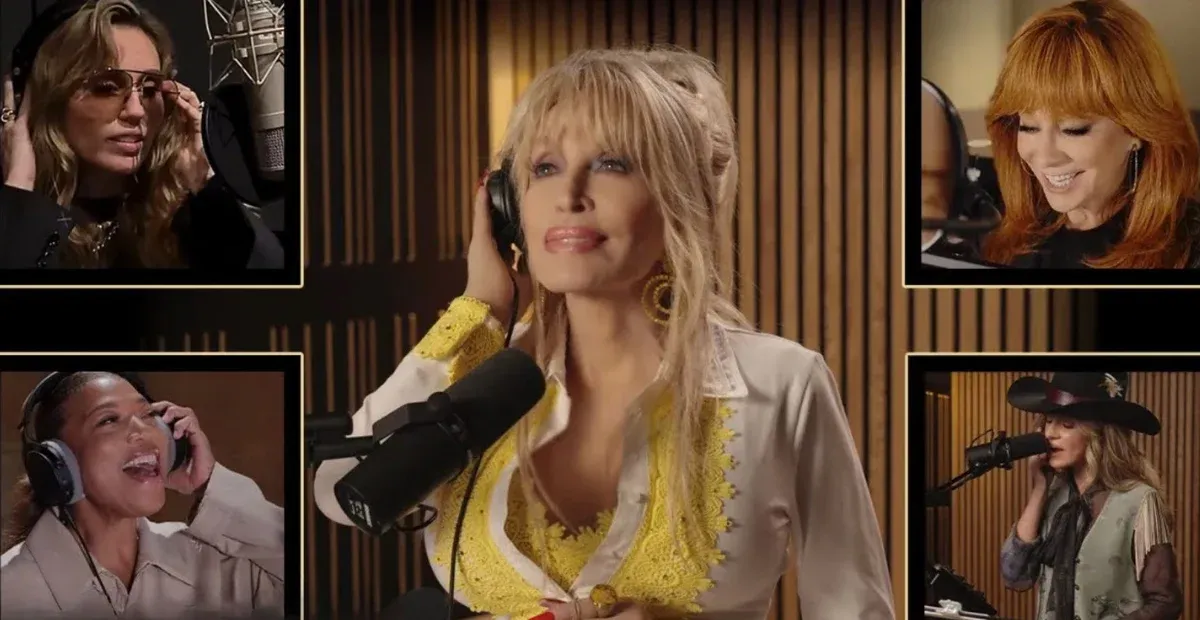
She lived that philosophy with other women in entertainment, too. For her 80th birthday, Dolly revisited “Light of a Clear Blue Morning” alongside Queen Latifah, Miley Cyrus, Lainey Wilson and Reba McEntire. Think about that group of women for a moment: a Black hip-hop and Hollywood icon, a pop superstar from a younger generation, one of country’s biggest newer stars and another woman who spent decades at the top of country music. Different generations, different audiences and different aesthetics all standing together around a song Dolly first wrote decades earlier. Even at 80, she was still creating spaces where women from completely different worlds could stand beside one another.
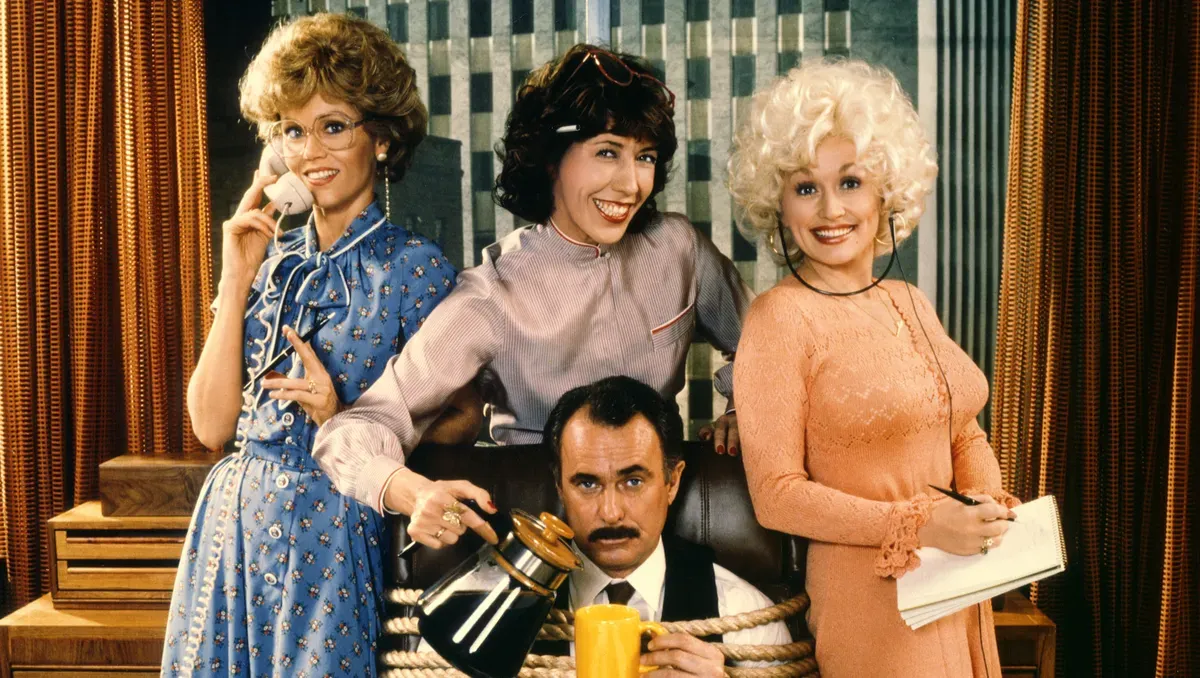
Think about what “9 to 5” actually represented when Dolly recorded it. Here was one of the most glamorous women in entertainment singing about getting up, going to work, dealing with a boss who doesn’t appreciate you and trying to make a living while somebody else benefits from your labor. She wasn’t singing about an aspirational fantasy that most women could never touch. She was singing about the woman getting up when the alarm went off because the bills still had to be paid. That woman may have had children waiting at home, a husband, no husband, dreams she hadn’t reached yet and ten other things on her mind before she even walked through the office door.
Dolly saw that woman, and I think women felt it. She didn’t have to strip away her glamour in order to acknowledge the everyday realities women were dealing with. She could show up in rhinestones and still understand what it meant to be undervalued at work. That ability to move between fantasy and reality was part of her magic. She could make you smile while still reminding you that your frustration, your ambition and your labor were worthy of being put into a song.
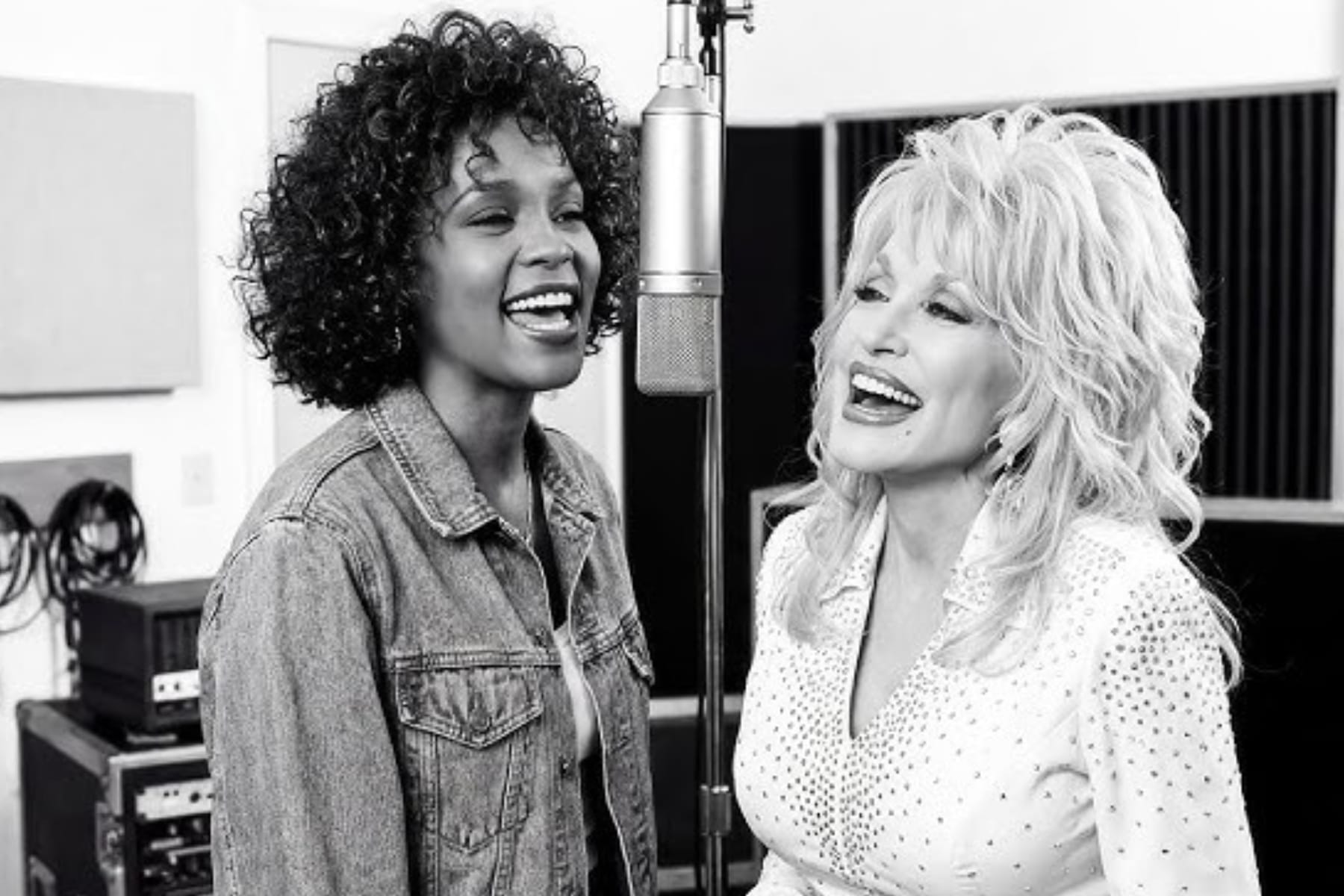
Celebrities talk all the time about what they believe, but Dolly repeatedly found ways to turn those beliefs into something tangible. One of my favorite examples has always been her relationship to Whitney Houston’s version of “I Will Always Love You.” Whitney took a song Dolly wrote and turned it into one of the biggest recordings in music history, and because Dolly retained the publishing, Whitney’s version reportedly earned her millions of dollars in royalties. Dolly never pretended otherwise or tried to minimize how much Whitney’s extraordinary performance added to the financial legacy of that song. She openly acknowledged the money and later explained that she invested some of those royalties in an office complex in a predominantly Black Nashville neighborhood.
That story stayed with me when I first learned it, and it still does. Dolly could have spent that money anywhere, but she connected her investment directly back to the Black woman whose voice had taken her song to an entirely different level. She later referred to the property as “the house that Whitney built,” which said more to me than a hundred perfectly worded celebrity statements about diversity ever could. Dolly understood that Whitney’s talent had created additional wealth for her, and she wanted some of that wealth to have a presence in a Black community. That was Dolly putting her money where her mouth was, and as a Black woman, I have never forgotten it.
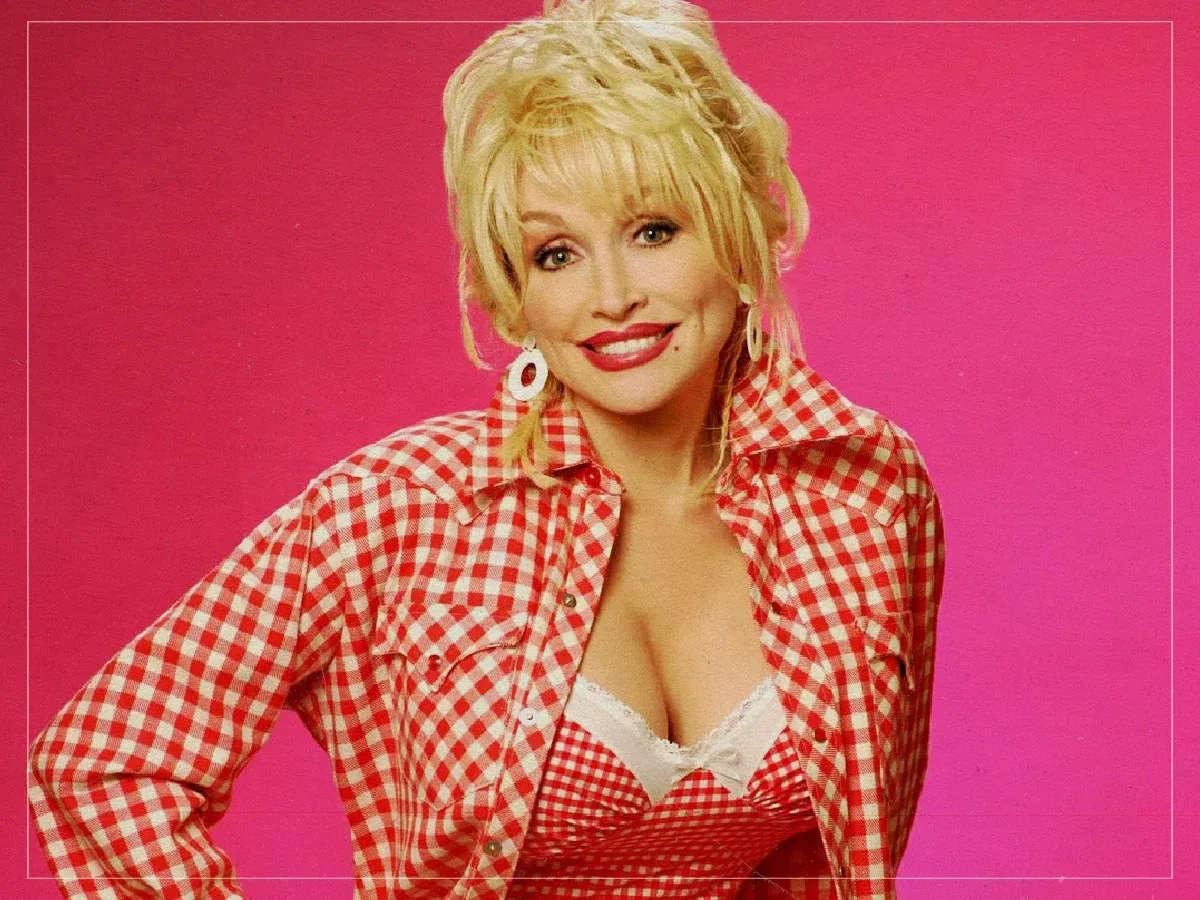
Dolly never asked anybody’s permission to be sexy. She liked the hair, the makeup, the curves, the nails and the clothes, and when people teased her about being over the top, she usually beat them to the joke. What made that powerful was that she never appeared to believe the way she looked required an apology or an explanation. She also refused to allow those looks to determine how seriously she should be taken. Behind all those rhinestones was an extraordinary songwriter and a businesswoman who understood ownership, publishing, branding and intellectual property well enough to build an empire.
Dolly showed women that sex appeal and intelligence were not mutually exclusive. She didn’t have to tone down her femininity to convince anybody that she could handle business. She didn’t have to dress like somebody else’s idea of a serious woman before she deserved a seat at the table. And most importantly, she didn’t suggest that every other woman needed to look like her in order to feel empowered. The larger message was that however you decide to look, nobody should be allowed to use your appearance as evidence of what you can or cannot accomplish.
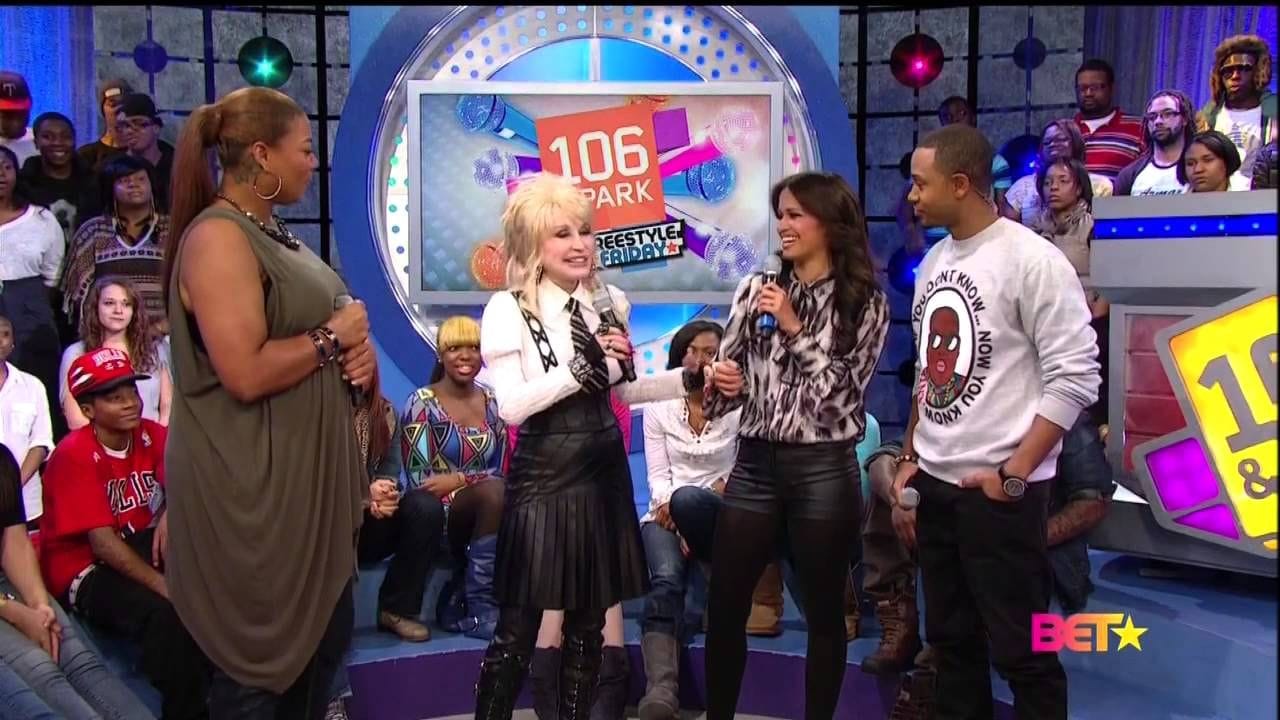
Dolly Parton was always in on the joke, and I think that was one of her superpowers. She knew the hair was big, she knew the wardrobe was outrageous and she knew people were going to talk about her body. Instead of spending her life trying to convince everybody that she wasn’t what they saw, she leaned into it and often made the joke herself. But there was an important difference between Dolly laughing at herself and Dolly thinking less of herself. She could make fun of the packaging without ever questioning the value of what was inside.
Women are constantly given contradictory instructions about confidence. We’re told to believe in ourselves but not think too highly of ourselves, to know we’re beautiful but not admit that we know, and to celebrate our accomplishments without making anyone uncomfortable. Dolly found another lane entirely. She could acknowledge the absurdity of celebrity and glamour without becoming falsely humble about what she had accomplished. She was funny because she was secure enough to laugh, not because she believed she needed to shrink herself before somebody else did it for her.

There aren’t many entertainers whose name can be attached to a song, a theme park, a hotel, a museum, baking products, clothing, books, movies, television and even travel stops without the whole thing beginning to feel ridiculous. With Dolly, somehow it all made sense because she leaned completely into everything she did. I had just seen the hotel in Nashville and learned about her travel-stop venture, which immediately connected with me because my husband is a truck driver. Then, of course, there’s Dollywood, an entire destination built around her connection to East Tennessee. She also took her personality into kitchens, retail and other businesses in ways that almost always felt connected to something recognizably Dolly.
That’s the part of her story that can get lost behind the wigs and rhinestones. Dolly wasn’t simply famous, she understood how to turn creativity into ownership and ownership into something that could outlive her. She took the things she genuinely loved, including music, Southern hospitality, food, storytelling, fashion and home, and built businesses around them. At the same time, those businesses never seemed to make her inaccessible when she sat down for an interview or interacted with another artist. She built an enormous world around the Dolly Parton name without ever giving off the energy that you were too insignificant to be welcomed into it.
This one feels especially meaningful now because Dolly never appeared content to spend the final years of her life simply being celebrated for what she had already done. Even when health challenges forced her to change plans and cancel performances, she kept talking about projects she still wanted to complete and things she still wanted to create. She wasn’t speaking like someone who thought her best years had already happened. She still sounded curious, excited and interested in what came next. That didn’t feel like denial about aging, but like a woman who had structured her life around creativity and simply never stopped looking forward.
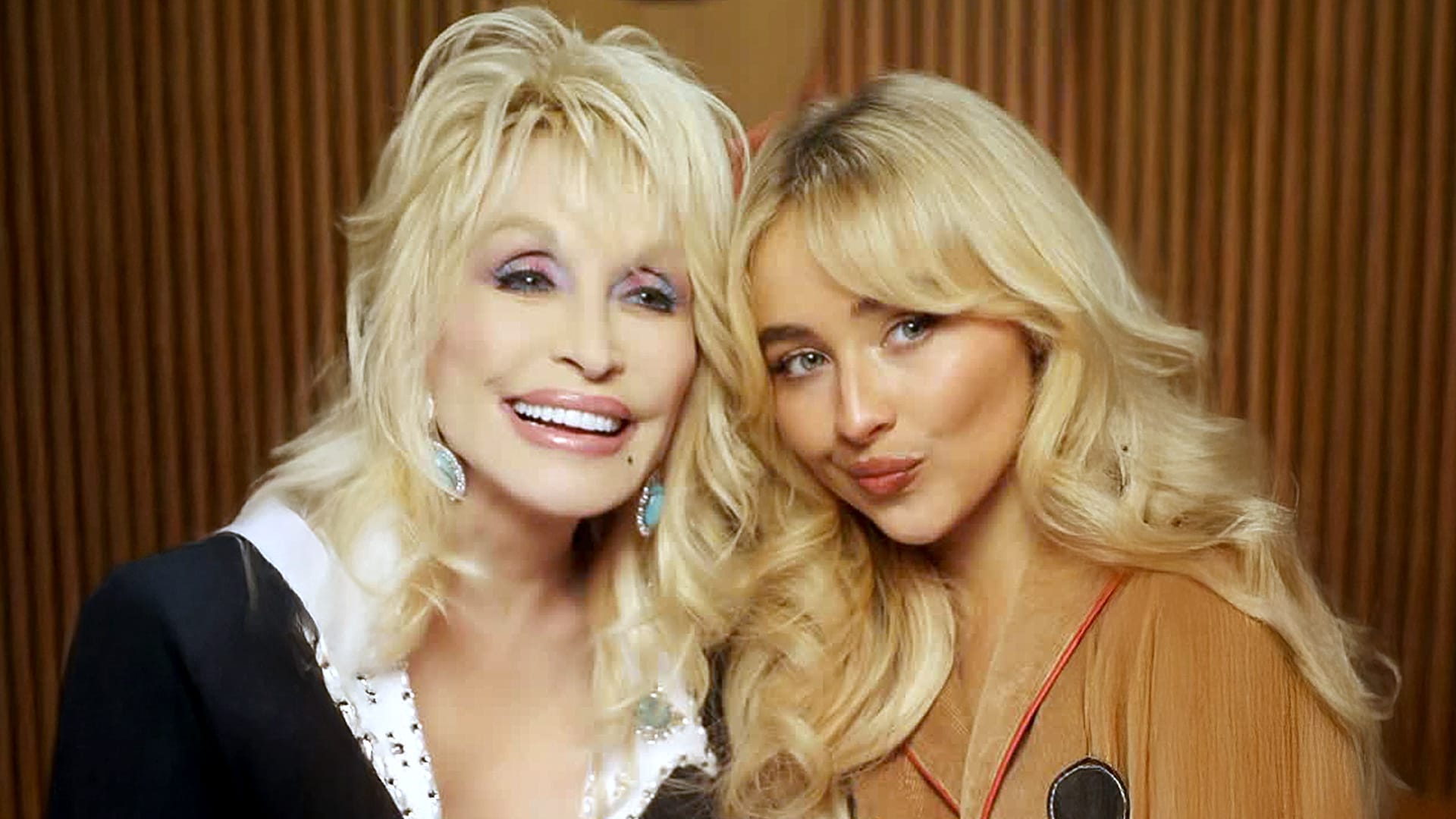
You could also see that curiosity in the artists she continued working with. She joined Sabrina Carpenter for a new version of “Please Please Please,” stepping directly into the world of one of pop music’s biggest young stars instead of watching the next generation from a distance. She also worked with Renée Fleming and Béla Fleck on “In the Pines,” moving comfortably between country, classical, roots and Appalachian music. She wasn’t sitting somewhere demanding that younger or different artists come honor her legacy. Dolly kept showing up to create something new with them.
That is such an important lesson for women because society is constantly trying to convince us that relevance has an expiration date. Dolly seemed to reject that whole premise without ever having to make a speech about it. Younger women arriving didn’t mean she had to disappear, and reaching 80 didn’t mean she had to stop being curious. She could make room for the next generation without leaving the room herself. To me, that’s a much more powerful version of aging than desperately trying to stay young, because Dolly simply kept staying interested.
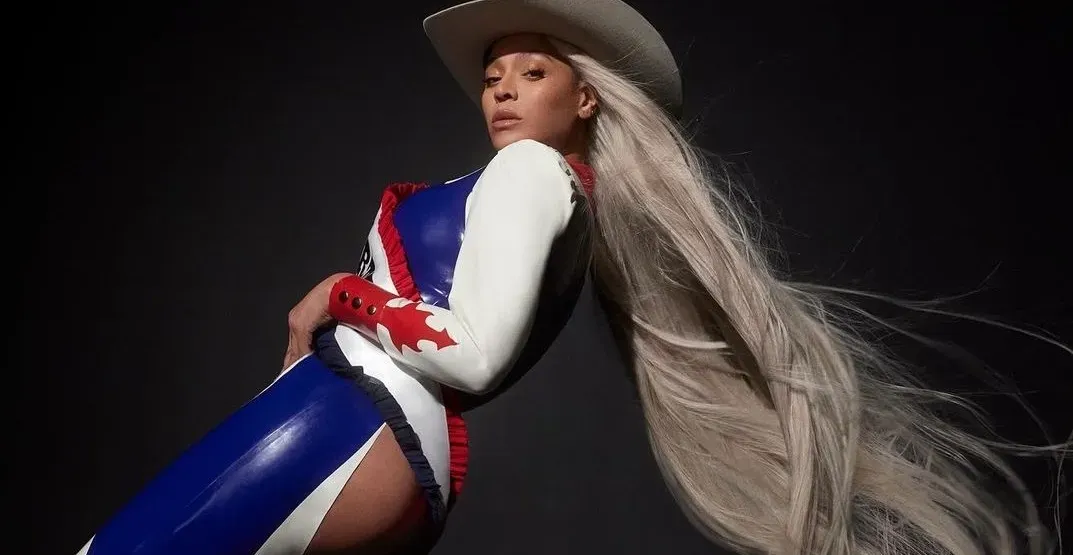
This matters to me as a Black woman because country music has a complicated relationship with Black artists despite Black music being woven deeply into its history. When Beyoncé released Cowboy Carter, the conversation about whether she belonged in country music exposed some of the resistance Black women still face when entering spaces that have been culturally coded as white. Dolly didn’t appear interested in policing that door. Instead, she participated in the album and gave Beyoncé room to completely reinterpret “Jolene,” one of the most important songs in the country canon. For somebody with Dolly’s stature in that genre, that was meaningful.
What I loved was that Dolly didn’t behave as if Beyoncé’s version somehow threatened the original. She publicly celebrated Beyoncé, spoke positively about her entering country music and seemed genuinely pleased that one of her songs could have yet another life through a Black woman from a completely different musical generation. She didn’t treat the genre like private property she had been appointed to protect from outsiders. She treated music like something big enough to grow when new people brought their own experiences into it. When one of the most powerful Black women in entertainment stepped into a genre where Black women have historically had to fight for recognition, Dolly made it very clear that, from her perspective, there was room.
I hesitate to simply label Dolly Parton a feminist icon because what I loved about her always felt less like ideology and more like permission. She didn’t seem interested in telling women that there was one correct way to be liberated. She wasn’t telling the woman who wanted a career that she shouldn’t also want a husband, or telling the married woman that loving her husband meant she had somehow surrendered herself. She wasn’t telling the sexy woman to cover up in order to be respected, and she wasn’t telling the woman with no interest in glamour that she needed big hair, makeup and cleavage in order to feel powerful. Dolly’s version of womanhood was spacious enough to accommodate contradiction.
Maybe that is ultimately why a brown-skinned girl in Oklahoma could look at a little blonde country singer from the mountains of Tennessee and feel connected to her. I never needed Dolly Parton to look like me in order to see something of myself in her. I saw a woman who seemed to genuinely enjoy being a woman but never behaved as though there was only one proper way to do it. I saw someone who could become enormously successful without developing the kind of haughty energy that makes everybody else in the room feel smaller. And I saw a woman who was strongly, visibly and consistently pro-woman without ever needing that love of women to become a rejection of men.
Dolly Parton transcended country music because ultimately what she gave people was much bigger than country music. She gave us humor, possibility, generosity, creativity, ownership and the idea that being more of yourself didn’t require asking anybody else to become less of themselves. She made a brown-skinned girl from Oklahoma feel included in a world that wasn’t necessarily designed with girls like me at the center of it. And when I opened my phone and learned that she was gone, I realized just how much that had meant to me. That’s why this brown-skinned girl from Oklahoma fell in love with Dolly Parton, and I always will.