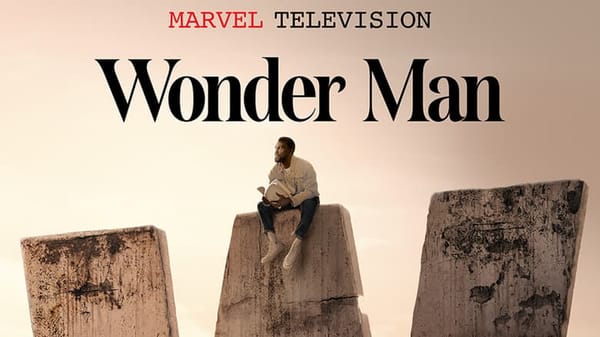
Marvel’s Wonder Man doesn’t rush to impress you — and in a franchise addicted to escalation, that restraint feels intentional.
Streaming on Disney+, the eight-episode series resists the MCU’s familiar impulse toward spectacle. There’s no immediate world-ending threat, no multiversal shorthand, no urgency to connect dots before the audience has time to breathe. Instead, Wonder Man slows down and insists on something Marvel has often sidelined: understanding the man before celebrating the myth.
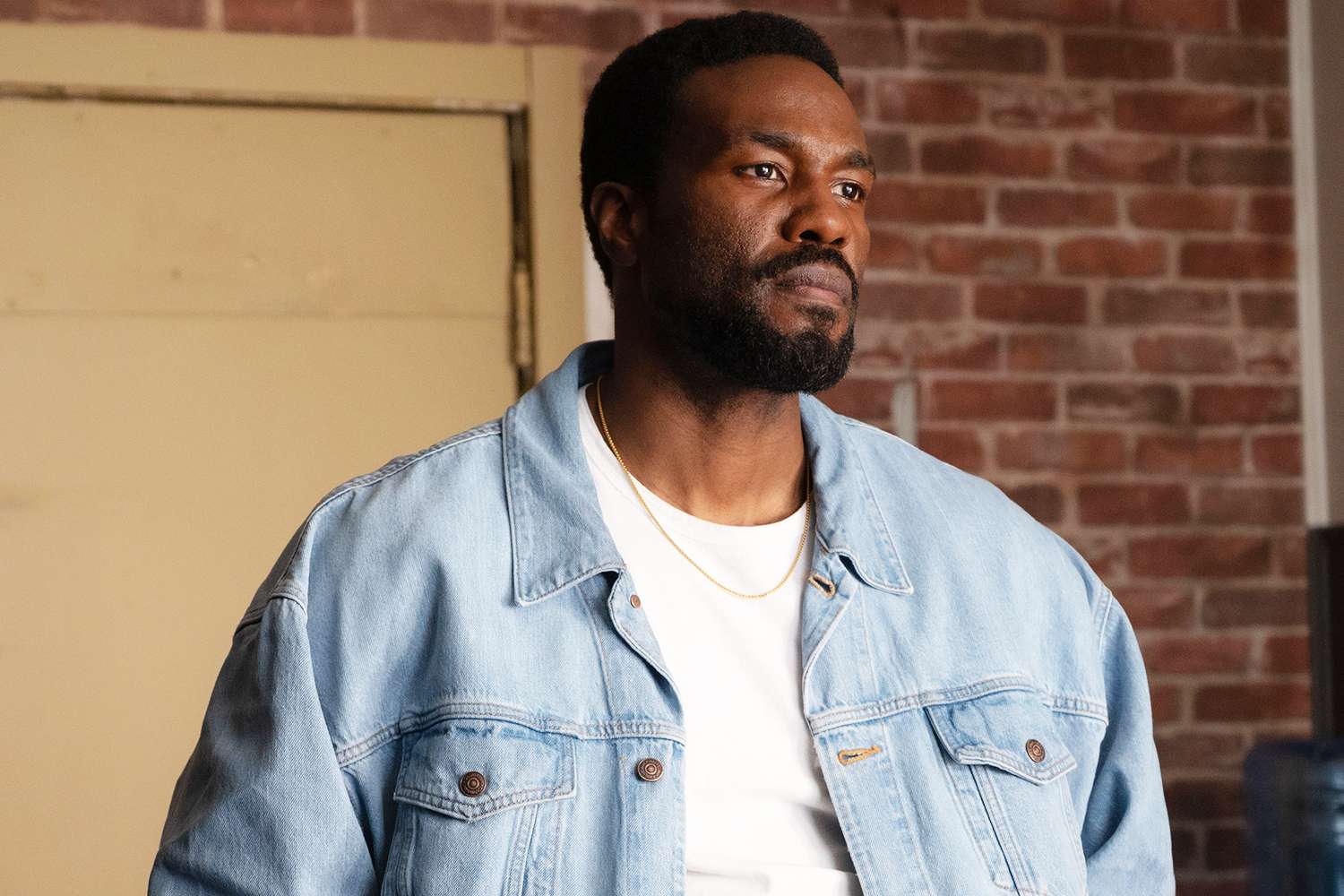
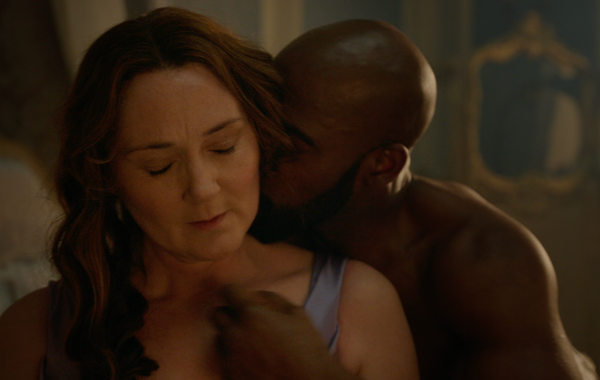
That man is Simon Williams, portrayed with quiet intensity by Yahya Abdul-Mateen II, a struggling Black actor living in California whose life has been shaped by unexplained moments he never fully names. Early in the series, Simon survives a kitchen fire as a child — emerging completely unharmed. No burns. No smoke inhalation. No explanation. It’s an impossible moment that should change everything, yet it’s quietly ignored by the adults around him.
That silence becomes foundational.
As an adult, Simon carries the weight of being different without language for why. His father — remembered as his first superhero — modeled endurance and sacrifice, instilling a sense of responsibility Simon internalizes without resolution. Even now, Simon moves cautiously through the world, driving the same car, circling the same emotional terrain, stuck between potential and paralysis.
In Hollywood, Simon is talented — and uncompromising. He approaches acting with intellectual rigor, breaking scripts down line by line, interrogating intention and subtext. In one of the series’ most revealing scenes, he lands an audition only to dismantle the role so thoroughly that production grinds to a halt. Writers are called back. Time is wasted. The showrunner ultimately cuts the scene, and Simon loses the job.
It’s an uncomfortably honest depiction of creative self-sabotage — not born from arrogance, but from a need to be seen correctly in an industry that rewards speed and compliance over depth.
That same emotional bottleneck costs Simon his relationship. He can’t articulate the anger, pressure, or unnamed force simmering inside him, and his girlfriend walks away. What follows is a familiar spiral: auditions without payoff, mounting frustration, and the quiet reality of being a brilliant Black man in America with no clear lane to land in.
Then nostalgia opens a door.
Simon learns that a Wonder Man film is being produced — the same movie his father once took him to see, a story he knows line for line. When his agent dismisses the opportunity, Simon goes behind her back, secures an audition, and eventually lands the role. It’s a turning point that doubles as meta-commentary, positioning Wonder Man as a series about performance, authorship, and who gets access to myth-making.
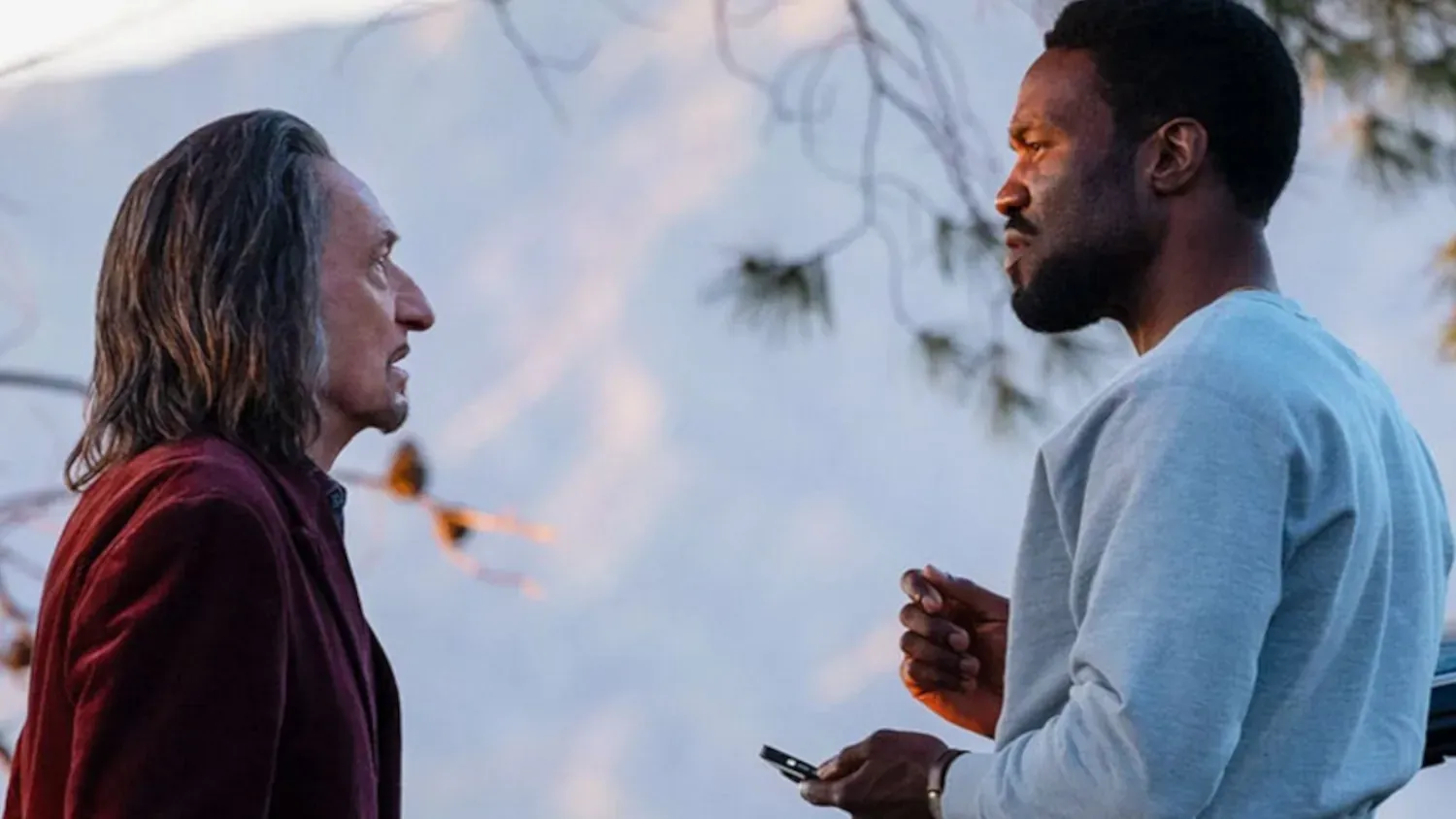
Running parallel is a government subplot involving the quiet monitoring of superpowered individuals. This storyline introduces Ben Kingsley as a former performer turned reluctant informant, forced to cooperate to avoid prison. What begins as strategy evolves into the emotional core of the series. Kingsley’s character becomes Simon’s confidant, mentor, and first real friend.
That bond is tested when an on-set explosion leads to Kingsley’s character taking the fall for Simon. Faced with the cost of his success, Simon finally embraces his powers — strength, energy manipulation, and ultimately flight — to break his friend out of prison. The choice is clear: loyalty over optics. Relationship over brand.
Wonder Man isn’t flawless. The pacing is slow early on, cultural specificity is uneven, and Marvel plays it safer than it could. Still, the series deserves credit for allowing character to lead. By the time Simon takes flight in the finale, the moment feels earned — not because it’s spectacular, but because it’s personal.
As a first season, Wonder Man lands at a confident B+. More importantly, it suggests Marvel may finally be learning that power doesn’t need to be announced. Sometimes, it needs to be understood.
Written by

Comments