Violet Bridgerton and the Power of a Perimenopausal Garden in Full Bloom

– 6 min read


I took a break this weekend, a conscious one that allowed me to step away from relentless political rhetoric, social media churn, and a culture addicted to constant urgency. I returned instead to something softer, slower, and intentionally restorative. Curled up on the sofa with my dog, I binged the first four episodes of the newly released Bridgerton, fully expecting escapism filled with romance, ornate costumes, and longing glances. What I did not expect was to see myself reflected in a way that felt affirming, grounding, and deeply personal.
I am a hopeful romantic who believes in love without hesitation or apology. I believe love is the most powerful force we possess, the closest thing to a true youth serum, and one of the quietest remedies for depression and emotional fatigue. Love, in all its forms, is what makes us human and sustains us through every season of life.

That belief is precisely why Bridgerton continues to resonate so deeply with audiences across generations.
No matter how modern, jaded, or self-protective we become, there remains something deeply human about the desire to be chosen, to be seen, and to be cherished. We want someone to look at us and find something special, while we in return find something equally special in them. The series reminds us of a time before disappointment taught us restraint and before life encouraged us to armor our hearts. It gently invites us back to the inner child who believed love was not only possible but inevitable.
I believed I was watching a traditional love story unfold, one centered on fantasy and romantic longing.
Instead, what emerged felt like a meditation on self-love, particularly for women who have lived long enough to be told—explicitly or implicitly—that their most desirable years are behind them.
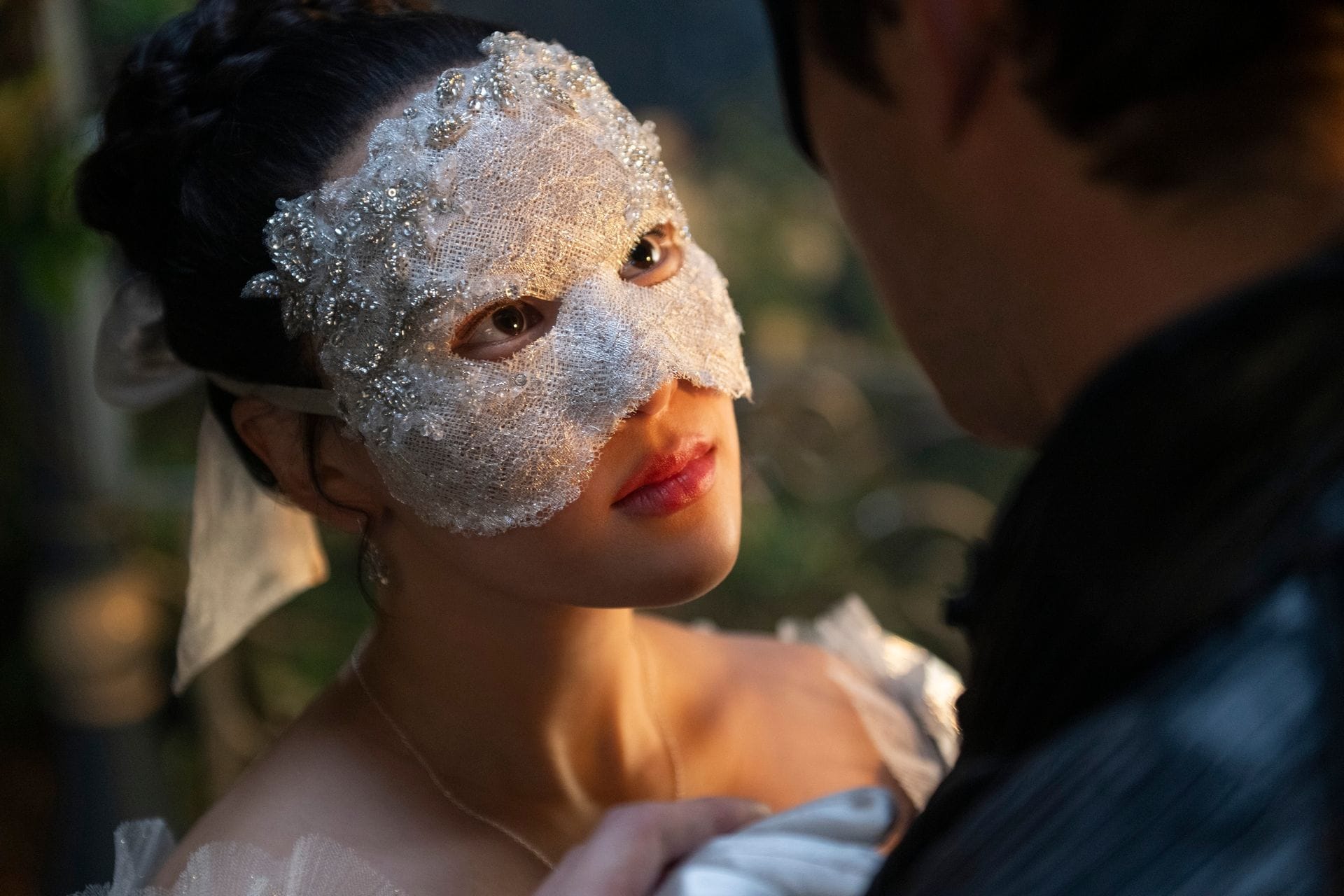
Like many viewers, I was initially drawn to Sophie, the young heroine whose storyline leans heavily into a modern Cinderella fantasy that feels comforting and familiar. However, the character who stayed with me long after the screen faded to black was Violet Bridgerton, the matriarch we have watched devote herself tirelessly to securing love, stability, and futures for everyone except herself.
We are living in a moment where women are finally speaking openly about perimenopause, menopause, and the complicated realities of aging. Voices like Melanie Sanders have helped create space for honesty, humor, and defiance through movements such as the “We Do Not Care” club, reminding women that we are allowed to exist loudly, unapologetically, and visibly during this stage of life.
For decades, Hollywood has treated aging women as disposable, as though once youth fades, women are meant to quietly step aside and make themselves smaller. Increasingly, women are rejecting that narrative and deciding collectively that we are not going anywhere. We are no longer interested in contorting ourselves to fit a youthful box only to disappear when we inevitably outgrow it. Violet Bridgerton embodies that refusal with grace and quiet authority.
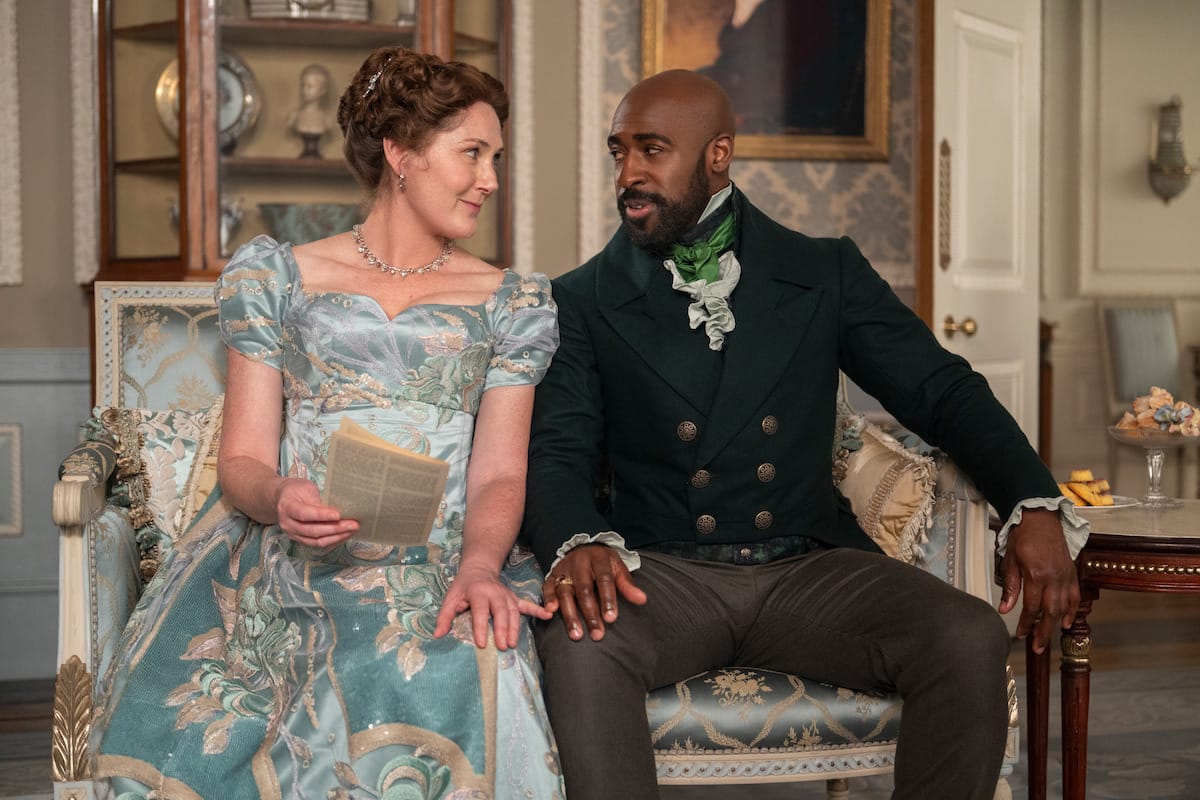
She has birthed children, nursed them, loved deeply, and lost profoundly. She has been a wife, a widow, a mother, and the emotional center of a demanding household. She has led with steadiness, managed expectations, sacrificed repeatedly, and endured the passage of time with dignity. Yet we finally see her pause and ask herself a radical and vulnerable question about whether she is still allowed to want, to desire, and to imagine something more for herself.
The performance is stunning precisely because of its restraint. For women who have lived through childbirth, hysterectomies, surgeries, hormonal shifts, grief, and the steady accumulation of years, intimacy can begin to feel unfamiliar. There is a quiet vulnerability in wondering whether a body that has changed and carried so much history is still deserving of desire and pleasure.
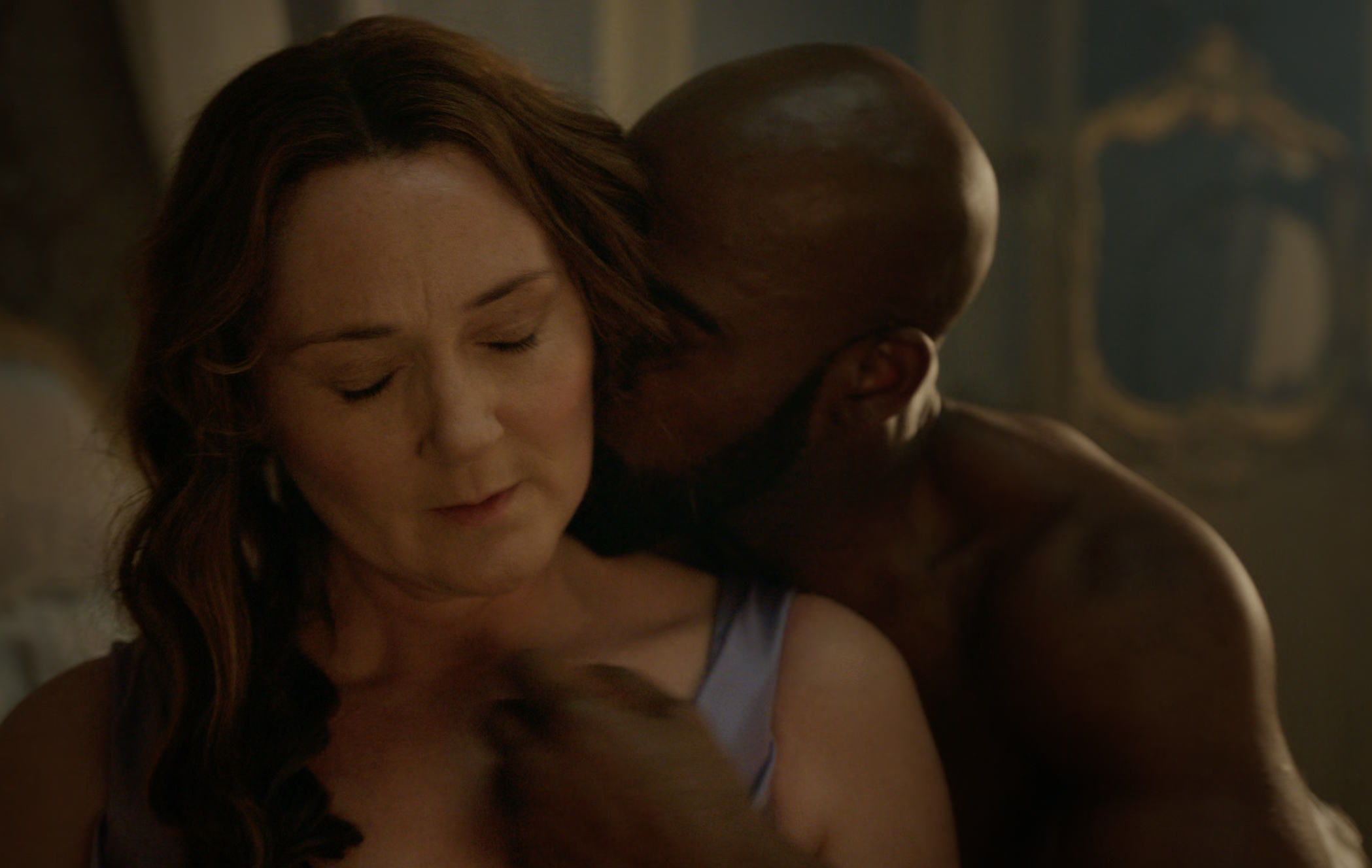
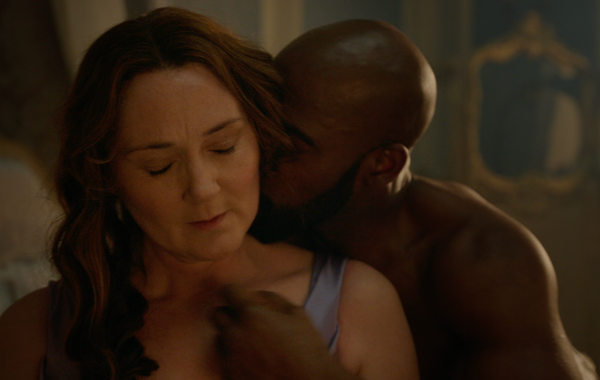
When Violet speaks of her “garden being in full bloom,” the moment functions as more than a euphemism for physical readiness. It becomes an act of reclamation, a declaration that her body is not past its prime but alive with possibility.
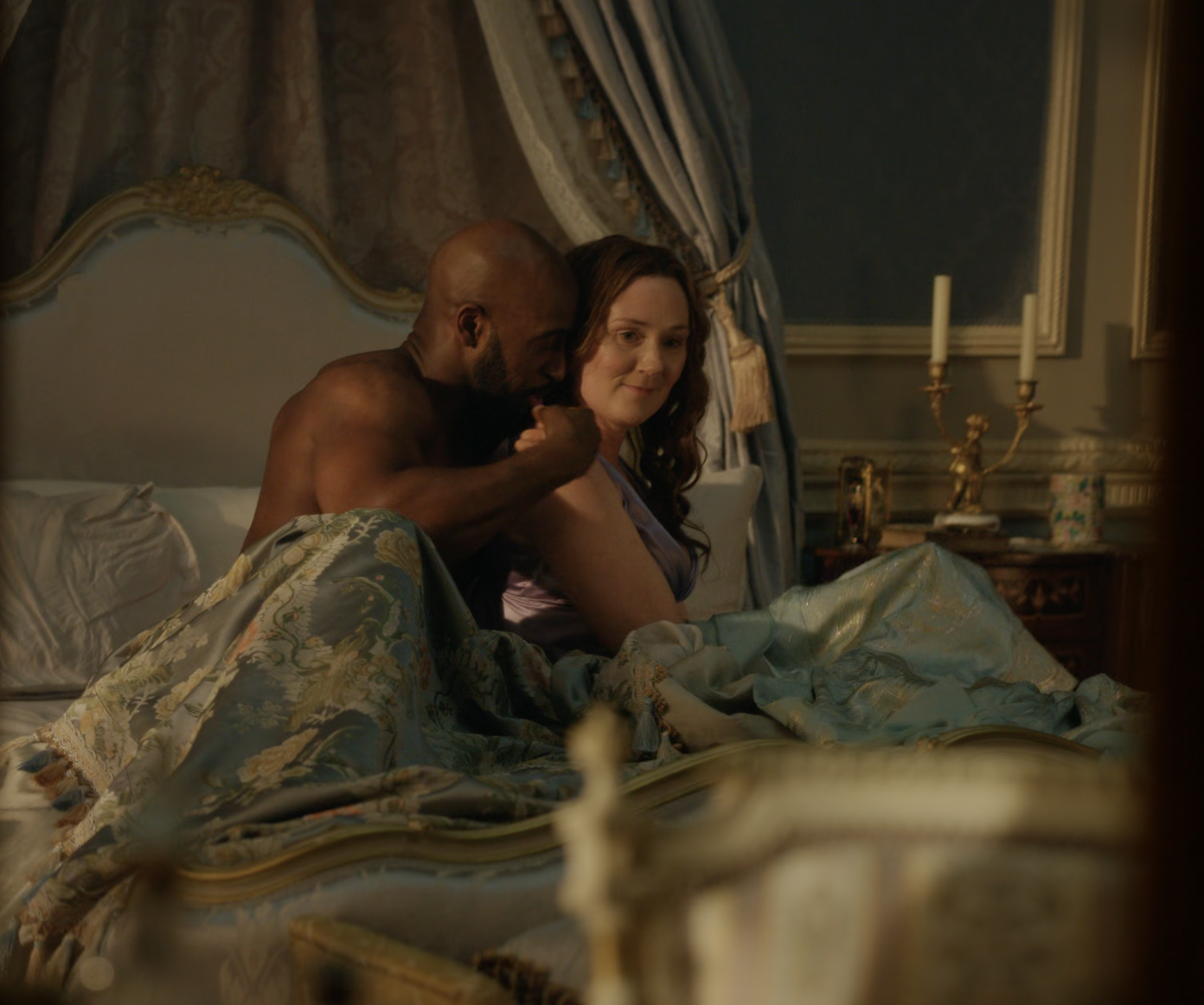
That reclamation soon transforms into action rather than metaphor. Empowered and assured, Violet invites her would-be suitor to evening tea, a gesture steeped in politeness, tradition, and expectation. When he arrives unaware of the evening’s true intention, Violet calmly informs him that she herself is the tea he will be having. The moment lands with delicious confidence and intentional sensuality, making it clear she is no longer waiting to be chosen but actively choosing herself. It is a masterclass in what it means for a seasoned woman to take control of her sexuality without apology, hesitation, or shame.
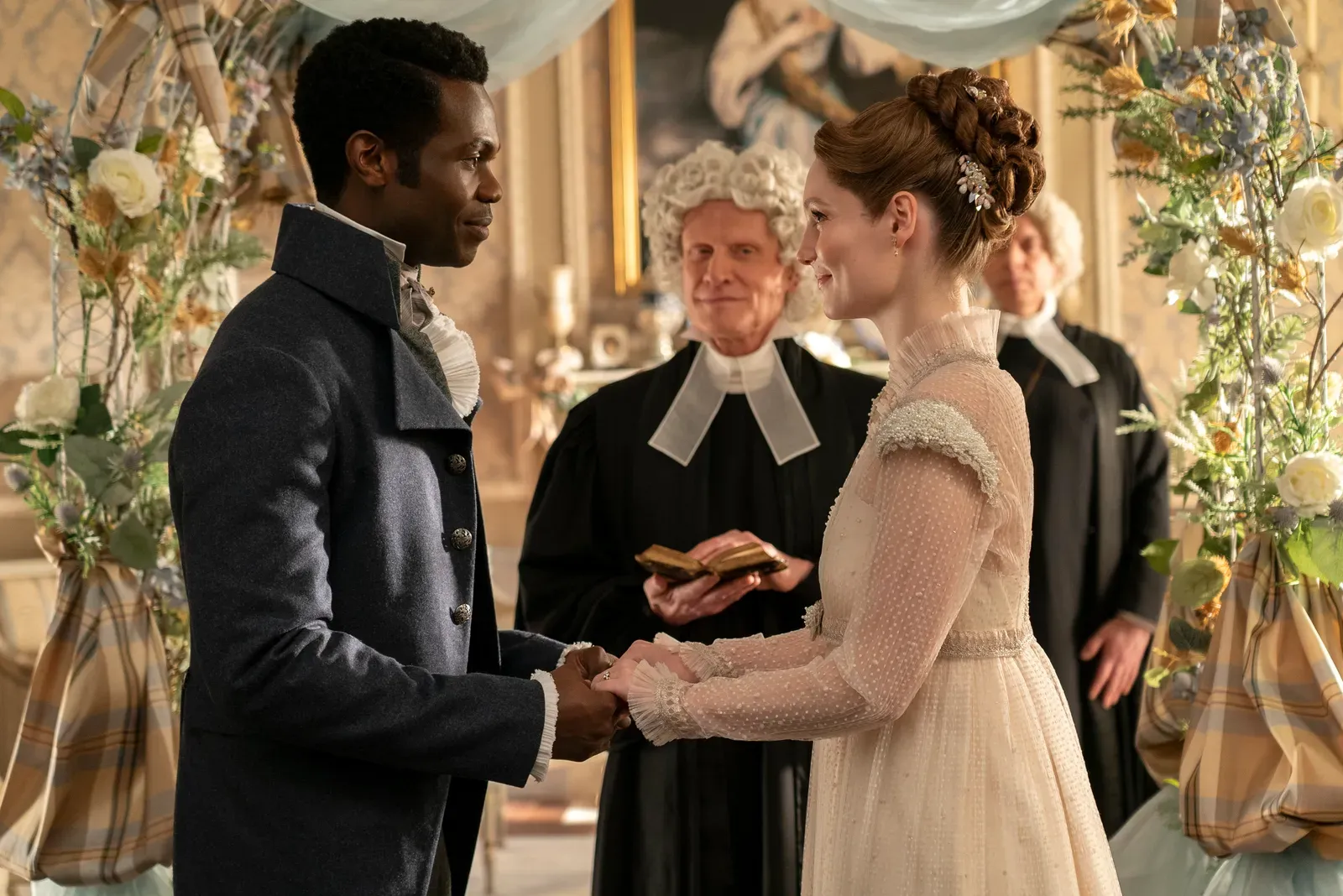
The series deepens this conversation even further through Violet’s relationship with her married daughter, Francesca. In a quietly powerful exchange, Francesca confides in her mother about feeling unsatisfied within her intimate relationship with her husband. The scene is tender, honest, and deeply instructive, presenting sexual fulfillment not as taboo but as an essential and valid part of marriage.
Within the African American community, there has long been a cultural hesitation around openly discussing sexual satisfaction between mothers, daughters, aunts, and grandmothers. Conversations about intimacy have often been shrouded in discomfort or avoidance, leaving many women to navigate desire, fulfillment, and disappointment alone. Watching this exchange unfold, I found myself wondering whether I would have felt comfortable speaking to my own mother about intimacy struggles within my marriage during my twenties. The honest answer is no, and that realization underscores a larger cultural problem that deserves reflection.
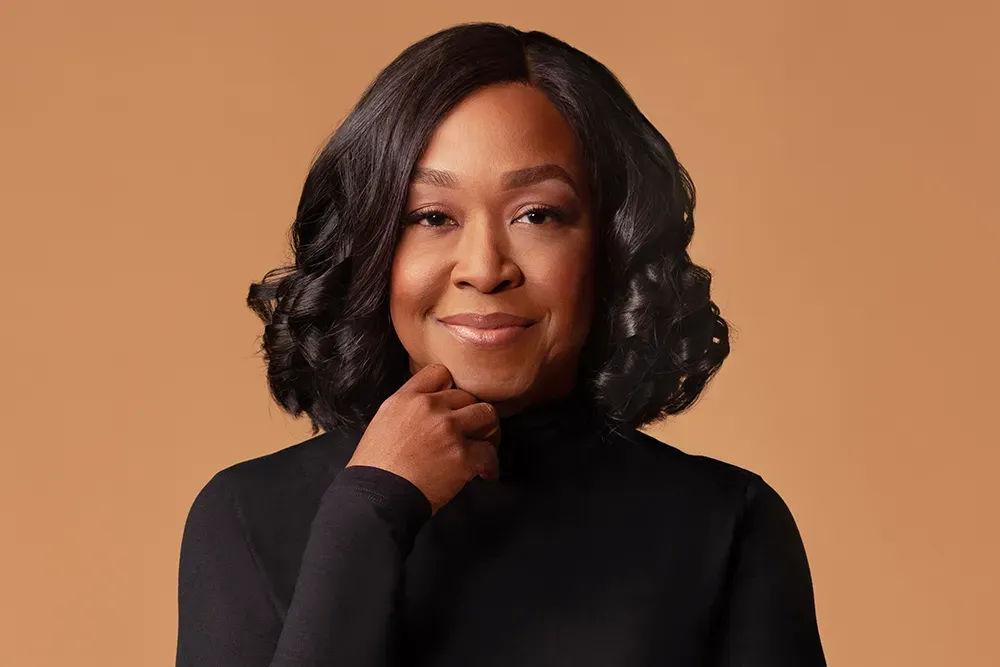
Through Violet and Francesca, Shonda Rhimes offers a rare and necessary teachable moment. She models what it looks like for mothers and married daughters to discuss intimacy as a meaningful and healthy component of partnership rather than something unspoken or secondary. Violet’s affirmation of Francesca’s right to reach her pinnacle during intimacy reframes pleasure as not only permissible but deserved, reinforcing the idea that fulfillment is neither selfish nor indulgent.
The exchange stands as a beautiful example of mother-daughter bonding rooted in honesty, trust, and mutual respect. It invites viewers, particularly within our community, to consider opening the lines of communication around married life from a more comprehensive and compassionate perspective. If there is a lesson worth adopting from the Bridgerton mother-daughter playbook, it is the understanding that silence serves no one while shared wisdom has the power to liberate generations.
What Shonda Rhimes ultimately accomplishes through Violet Bridgerton is subtle yet seismic. In a genre obsessed with first loves and youthful longing, she reminds us that love does not expire, desire does not have a deadline, and passion is not reserved solely for the unlined or untouched.
For many women watching this weekend, Violet Bridgerton emerged as an unexpected poster child for the “We Do Not Care” era. She stands as a reminder that our bodies, our stories, and our longing still matter deeply.
This author believes that is the most beautifully satisfying romance of all, allowing ourselves to believe that we are still worthy of love, connection, and desire at every age and in every season of life.