Unveiling Legacy and Artistry: A Conversation with Allen Hughes

– 3 min read



When we think of storytellers who have left an indelible mark on our cultural consciousness, Allen Hughes is a name that stands out. Renowned for his bold narratives and cinematic brilliance, Hughes has built a career tackling the most complex and thought-provoking subjects. His latest docuseries, Dear Mama, is a testament to this. Delving into the extraordinary bond between Tupac Shakur and his mother, Afeni Shakur, the series offers an intimate exploration of family, activism, and the enduring legacy of their intertwined lives.
Few artists command as much reverence as Tupac Shakur. For Hughes, capturing the essence of Tupac’s life and his relationship with Afeni wasn’t just another creative endeavour—it was a deeply personal and cultural mission. “I’ve always been fascinated by Tupac’s artistry and his complex persona,” Hughes shared. “His relationship with his mother, a former Black Panther, played a significant role in shaping who he became. Exploring their bond provided deeper insights into his life and legacy.”

Afeni Shakur wasn’t merely Tupac’s mother; she was a trailblazer, a revolutionary whose activism within the Black Panther Party profoundly shaped her son’s worldview. Her teachings of resilience and social justice permeated Tupac’s music, infusing his lyrics with themes of inequality, resistance, and empowerment. Hughes approached this dynamic relationship with reverence, weaving their stories into a rich tapestry that underscores their lasting impact.
For Hughes, the process of creating Dear Mama also meant confronting a difficult chapter in his own life. His history with Tupac includes a widely publicised physical altercation in the early 1990s—a moment that could have influenced his portrayal of the artist. Instead, Hughes embraced empathy and understanding. “That incident was a pivotal moment in my life,” he reflected. “It taught me about the complexities of human nature andthe importance of understanding someone’s background. While working on Dear Mama, I aimed to present a nuanced portrayal rather than focusing on past conflicts.”
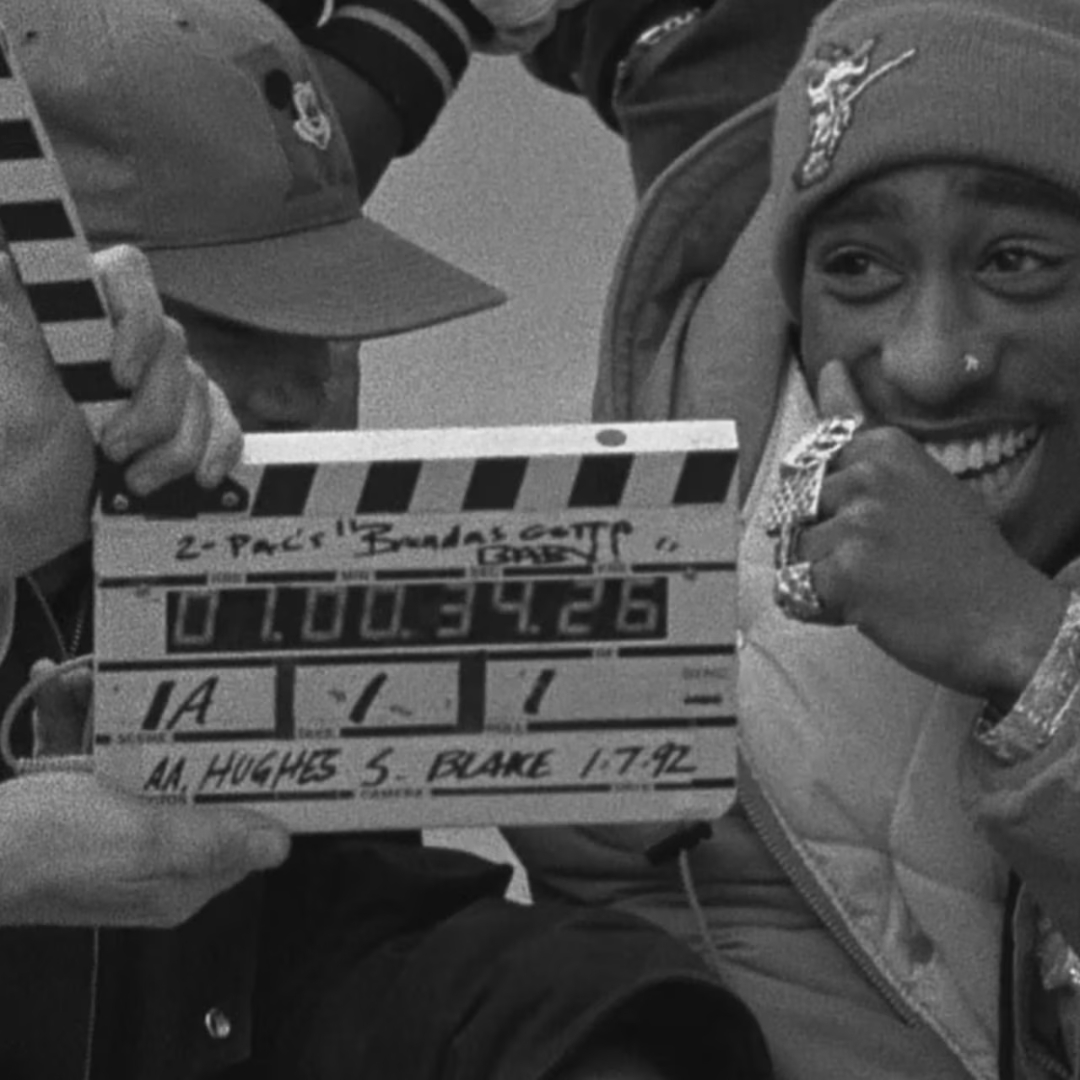
This willingness to view Tupac through a compassionate lens, despite their history, is a testament to Hughes’ growth as both a person and a filmmaker. It also speaks to his commitment to authenticity and integrity, principles that have guided his career from the beginning.
From Menace II Society to The Book of Eli, Hughes has built a legacy of thought-provoking narratives that challenge societal norms. Over the decades, his work has consistently pushed boundaries, encouraging audiences to reflect deeply on the world around them. “I gravitate towards stories that provoke thought,” he explained.
“My goal is to create content that resonates on a deeper level, encouraging audiences to reflect on their beliefs and the world around them.”

The evolution of the film industry has only sharpened Hughes’ instincts. He recognises the opportunities created by the rise of digital platforms, which have amplified diverse voices and broadened access to storytelling. “The rise of digital platforms has allowed for more diverse voices to be heard,” he observed. “This shift has encouraged me to experiment with different formats and storytelling techniques, embracing the opportunities that come with technological advancements.”

In an industry where ethical compromises are all too common, Hughes has remained steadfast in his principles. He attributes this to surrounding himself with a trustworthy team and staying open to feedback, ensuring that his work remains authentic and impactful. His advice for aspiring filmmakers mirrors this ethos: “Stay curious and committed to your vision. Embrace your unique perspective, and don’t be afraid to take risks. Authenticity resonates with audiences, so let your passion drive your storytelling.”
Through his career, Allen Hughes has consistently demonstrated the power of storytelling to inspire change. With Dear Mama, he offers more than an intimate look at the lives of Tupac and Afeni Shakur—he invites audiences to reflect on the enduring impact of family, activism, and artistry. As our conversation drew to a close, Hughes left us with a simple yet profound reminder: “Art has the power to inspire change. Use it wisely.”