Ready to Love Detroit Reveals the Risk of Black Male Vulnerability

– 3 min read


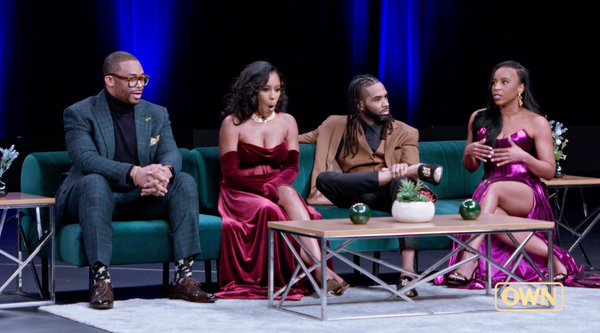
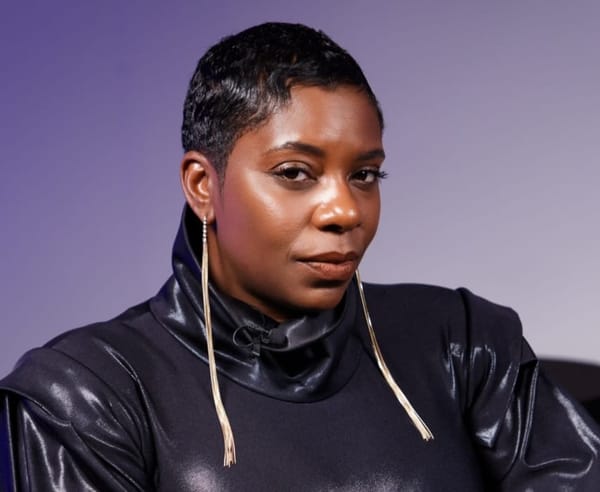
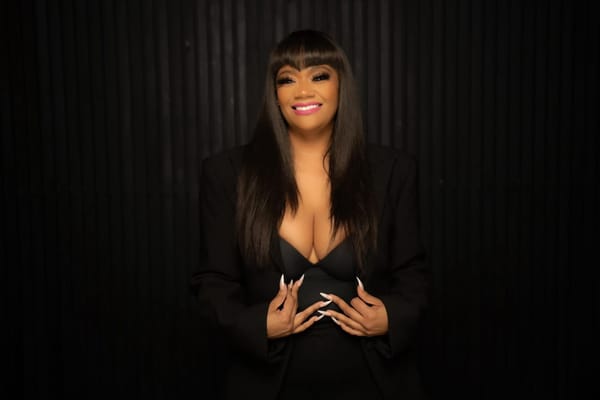
Reality television thrives on spectacle, but occasionally it exposes truths that feel uncomfortably familiar. During part two of the Ready to Love Detroit reunion, a tense exchange between Nicole and Devon did just that. In the moment, Nicole attempts to shame Devon over his political beliefs, beliefs he had previously shared during what appeared to be a private, intimate conversation when the two were in a good place.
The exchange raises two critical questions: should political differences be a dealbreaker when dating? And more importantly, should conversations shared in what feels like a safe space later be used against someone publicly?
Political alignment has become an increasingly important factor in modern dating. For many, political beliefs are deeply tied to values, lived experiences, and moral frameworks. Choosing not to move forward with someone because of ideological differences is valid. What is far more troubling, however, is the weaponization of vulnerability, particularly when that vulnerability was offered in trust.
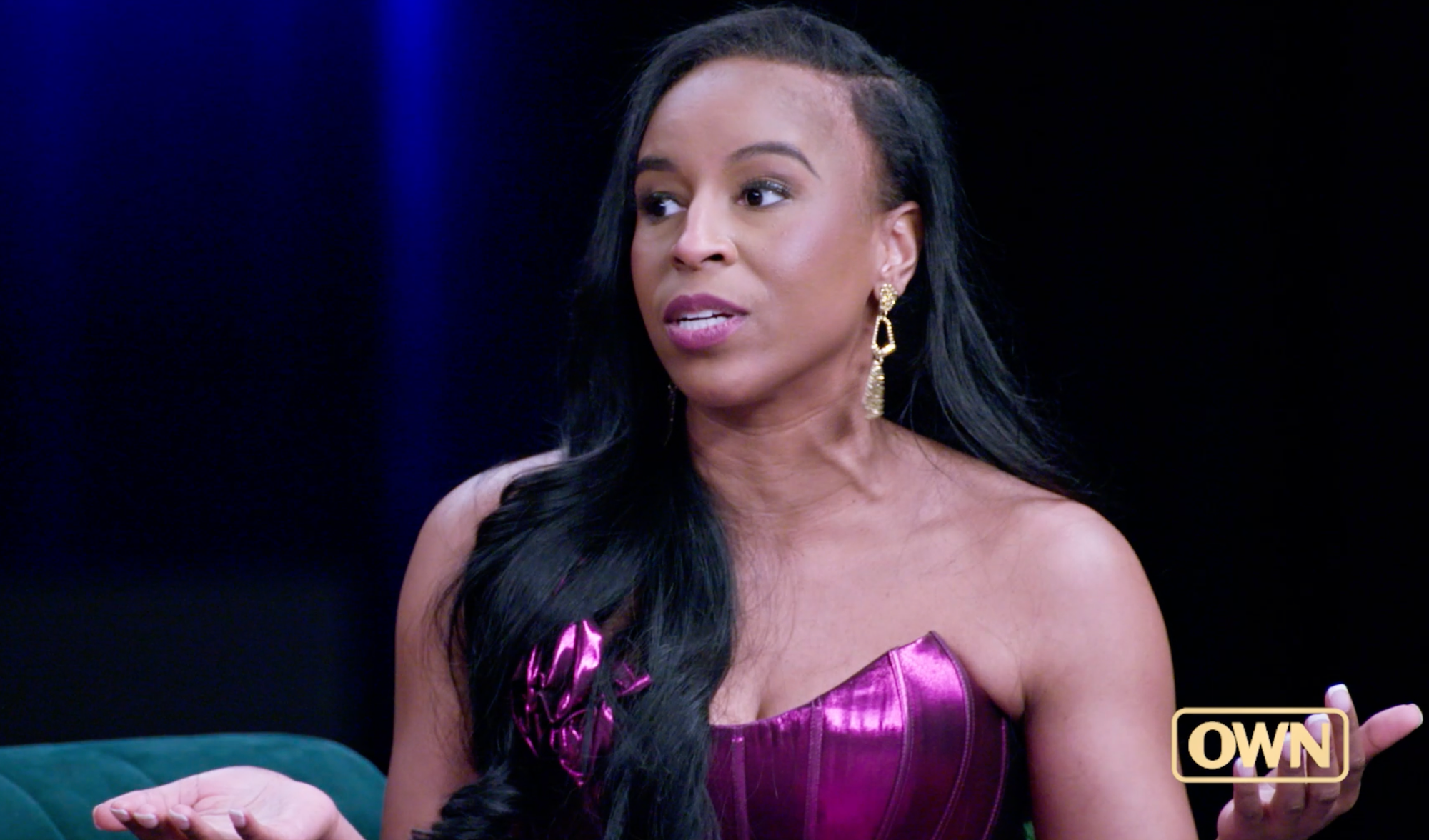
Nicole’s anger may be real, but her decision to use a private conversation as public ammunition reinforces a deeper issue that has echoed throughout the season. Earlier on Ready to Love Detroit, the women accused Ed—arguably one of the most eligible bachelors of the cast—of being emotionally unavailable. Ed was handsome, likable, and seemingly intentional, yet the women ultimately chose to send him home because he did not share enough emotionally. He was penalized for being guarded.
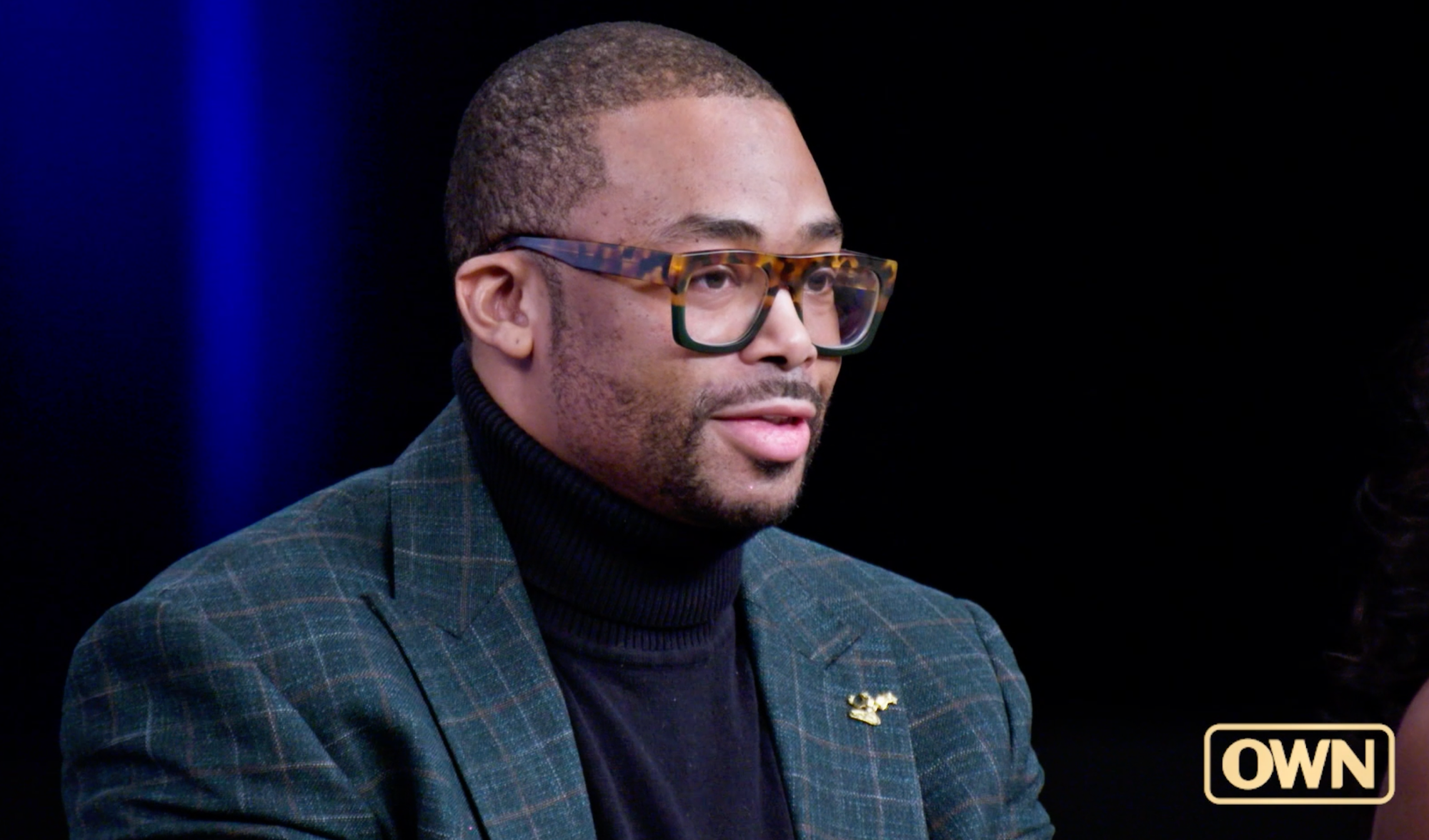
Fast forward to the reunion, and Devon finds himself on the opposite end of the same dilemma. In part two, Devon realizes that being emotionally vulnerable with Nicole does not result in understanding or grace, but in public embarrassment. His openness, shared during a moment of intimacy is reframed in a heated setting, making him look bad not only in front of the rest of the cast, but in front of a national television audience.
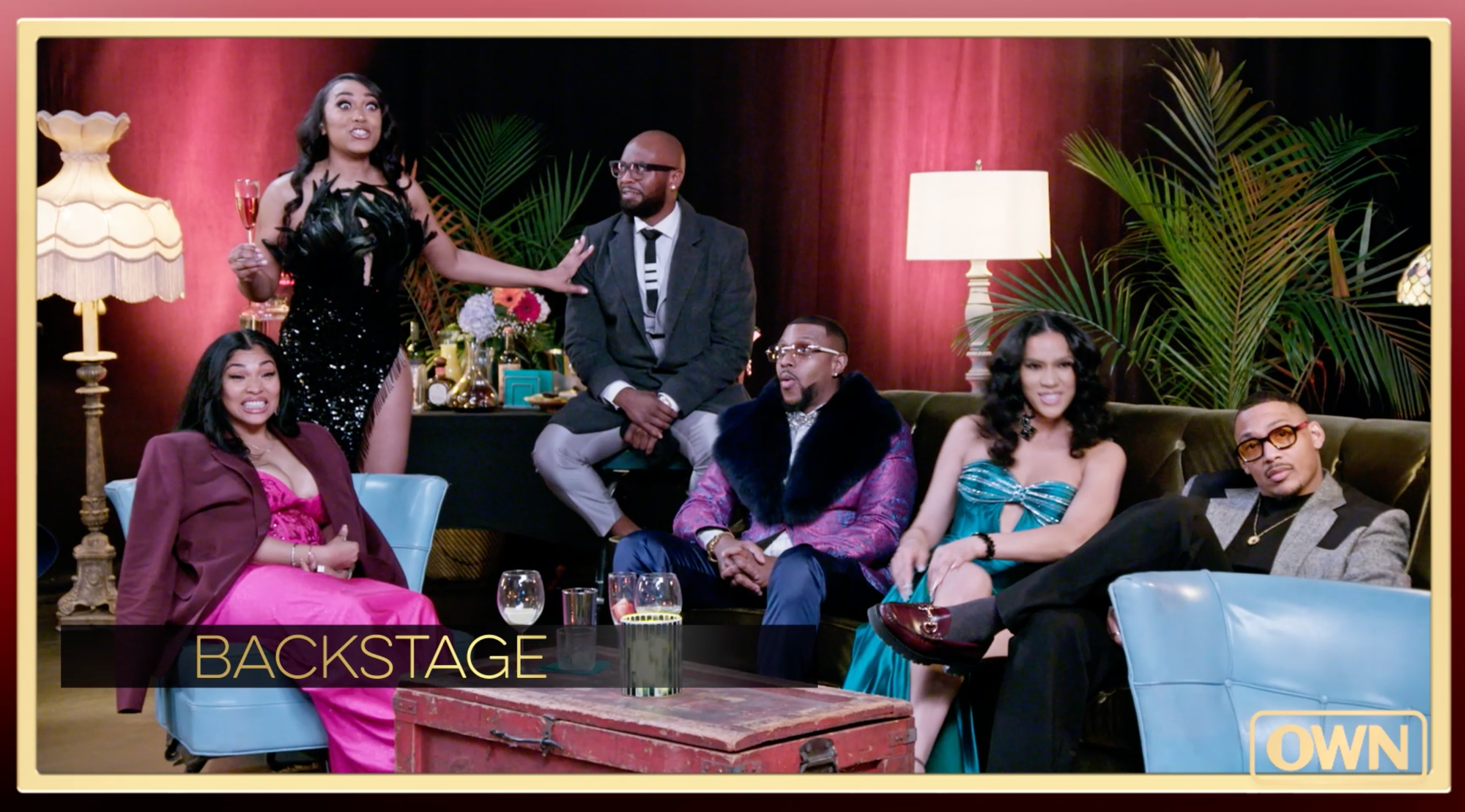
Together, these moments reveal a troubling contradiction. On one hand, men like Ed are criticized and dismissed for not opening up enough. On the other, men like Devon are later punished for their vulnerability. It’s a no-win scenario that mirrors a sentiment many Black men have expressed for years: vulnerability often feels unsafe.
Many Black men say they hesitate to be emotionally available because what they share in moments of trust is later used against them during arguments, breakups, or moments of anger. When vulnerability becomes evidence instead of connection, emotional walls go up. Trust erodes. And intimacy becomes transactional rather than sacred.
This is not a dig at Black women, but a call for reflection within dating culture. Emotional safety must extend beyond moments of harmony. A safe space that only exists when things are good is not truly safe.
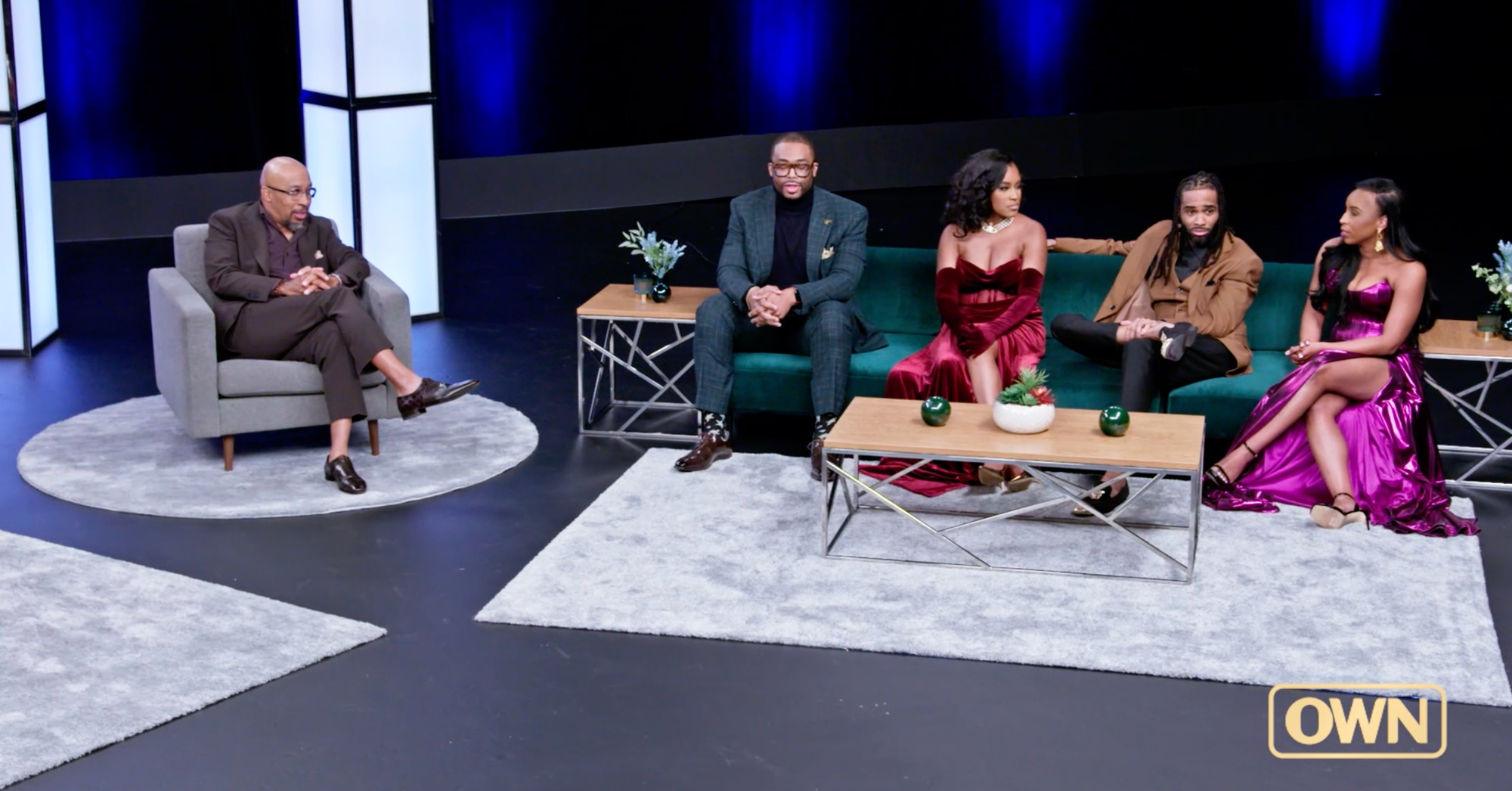
Ready to Love Detroit unintentionally captures this reality with striking clarity. The show asks men to be open, expressive, and vulnerable, yet repeatedly demonstrates the consequences when they are.
Part two of the Ready to Love Detroit reunion airs Friday, February 6, on OWN at 8PM.