Pusha T, Malice & Pharrell’s Grammys 2026 Performance Is a Masterclass in Control

– 2 min read


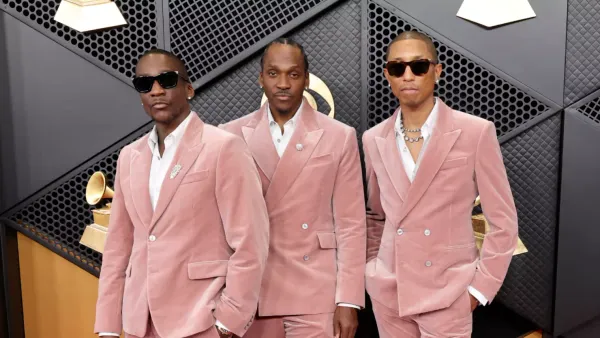
The Grammy Awards have long struggled to balance legacy, relevance, and spectacle. This year, the performance by Pusha T, Malice (formerly No Malice), and Pharrell Williams—collectively evoking the gravity of their Clipse era—achieved that balance with striking clarity.
It was, simply put, a masterclass in control.
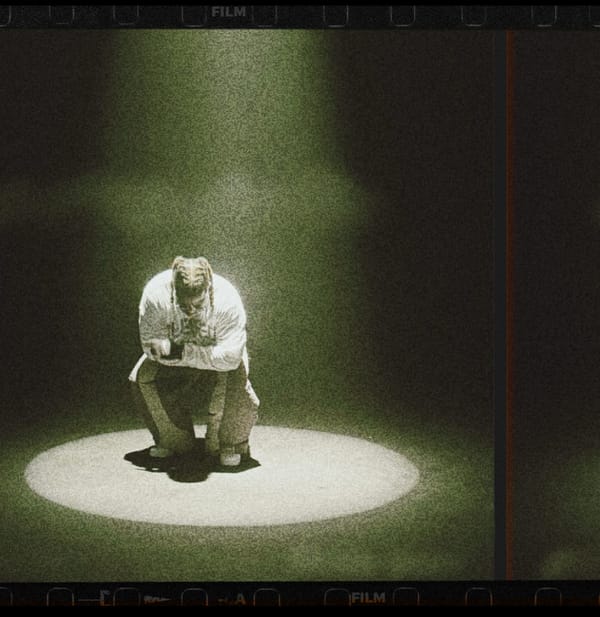
The staging opened with a Southern Black choir dressed in all black, their voices grounding the performance in tradition, restraint, and weight. The choice immediately established contrast—not just sonically, but visually—setting the tone for a performance built on tension rather than excess.
That contrast sharpened when Pharrell Williams appeared in all white, adorned in Louis Vuitton, accented by oversized diamond jewelry that caught the light without overwhelming the moment. The styling was deliberate: minimalist in palette, maximalist in symbolism. Pharrell didn’t command the stage by movement or volume; he did it through stillness and authority.
Pusha T and Malice entered dressed in black and white, with Pusha notably wearing an all-black mink coat that reinforced his long-established persona—luxury framed by severity. When the brothers began their verses, the stage lighting shifted to a deep, blood-red hue, intensifying the performance’s emotional temperature. The effect was unmistakable: this was not nostalgia. It was confrontation.
Their delivery was precise, unhurried, and confident—two artists fully aware of their history, their chemistry, and their place within the culture. The performance avoided theatrics in favor of focus, allowing the lyricism and presence to do the work. When Pharrell returned on the hook, the contrast re-emerged, creating a visual and sonic interplay that mirrored their creative dynamic across decades.
The final visual choice sealed the moment. As the performance concluded, snow fell across the stage—a detail that operated on multiple levels. On the surface, it was visually arresting. Beneath that, it read as an unmistakable reference to the coded language of the street economy that has long informed Clipse’s catalog. The symbolism was subtle enough to pass broadcast standards, yet clear enough for the audience it was intended for.
The response inside the room was immediate. The performance earned a standing ovation, registering as one of the night’s most disciplined and impactful moments. In a ceremony often criticized for spectacle without substance, this was execution with intention.
The appearance also arrived at a strategic moment. Pharrell, fresh off a global run that has spanned music, fashion, and cultural institutions—including his leadership role at Louis Vuitton and high-profile international appearances—continues to operate at the intersection of art and industry. Pusha T and Malice, reunited on one of music’s most visible stages, reminded audiences that legacy acts need not dilute their identity to remain relevant.
Whether or not awards were the motivating force, the message was clear: this was not a comeback bid. It was a statement.
On a night designed to celebrate excellence, the performance stood out by refusing to overreach. No spectacle for spectacle’s sake. No concession to trend. Just three artists executing at the highest level of their craft.
By the time the snow settled, the takeaway was unavoidable: some performances don’t need explanation. They set the standard and move on.
Rating: 10/10