Nevis Enters 2026 With Restored Landmarks and Storied Milestones

– 3 min read


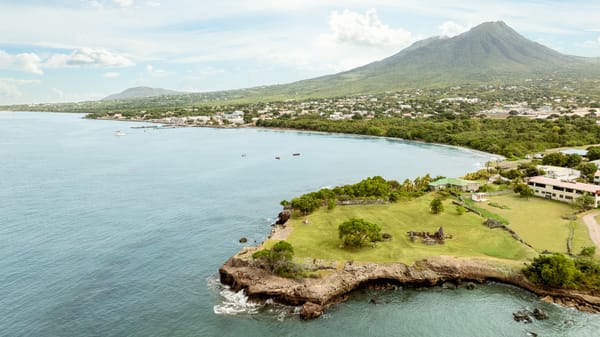
There are islands that reinvent themselves. And then there is Nevis.
At 36 square miles, the quieter half of the Federation of St. Kitts and Nevis has long favored understatement over spectacle—no cruise berths, no high-rise skyline, no global chains. Instead: a volcanic peak rising through cloud cover, Georgian stone buildings in Charlestown, and beaches where the soundtrack is wind and water.
In 2026, the island steps into a moment of renewed relevance. As the United States approaches its 250th anniversary, interest in shared histories is deepening—and Nevis, the birthplace of Alexander Hamilton, occupies a singular place in that story. Here, history isn’t staged. It’s preserved, weathered, and quietly lived.
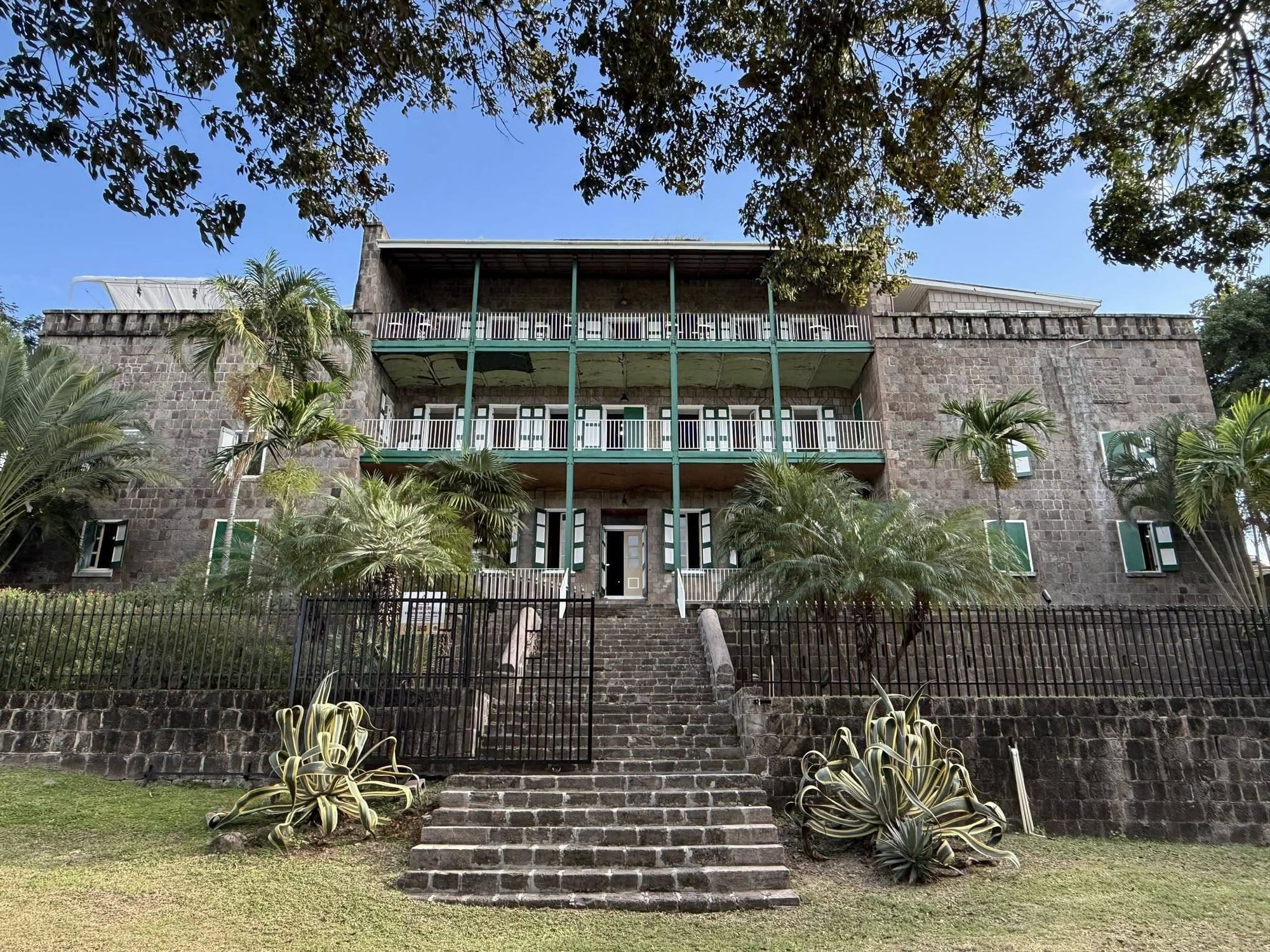
More than two centuries ago, Nevis was home to the Caribbean’s first hotel.
Built around the island’s geothermal hot springs, the Bath Hotel was among the region’s earliest purpose-built spa retreats. Now, it is undergoing a multi-year conservation effort supported by a $403,000 grant from the United States Ambassador’s Fund for Cultural Preservation.
The second phase, completed in January 2026, was led by the Nevis Historical and Conservation Society in partnership with the Nevis Island Administration. The work is measured rather than cosmetic—an exercise in stewardship that underscores the island’s long-standing relationship with wellness travel.
Long before Broadway, Alexander Hamilton spent his early years on Nevis. Today, the Hamilton House & Museum in Charlestown offers insight into that formative chapter.
As the American Semiquincentennial approaches, Nevis provides an international vantage point on the founding narrative—one shaped not only in colonial capitals, but across the Atlantic world. For history-minded travelers, the island offers context and dimension, framed by Caribbean light and sea air.

On March 28, 2026, the Nevis to St. Kitts Cross Channel Swim returns, drawing athletes into the 4.1-kilometer stretch of water known as The Narrows. The open-water crossing—demanding and visually arresting—has become one of the region’s most quietly iconic endurance events.
This year, Olympic swimmer Alice Dearing joins the field, adding international visibility. Still, the appeal remains elemental: turquoise water, shifting tides, and volcanic peaks rising in the distance.
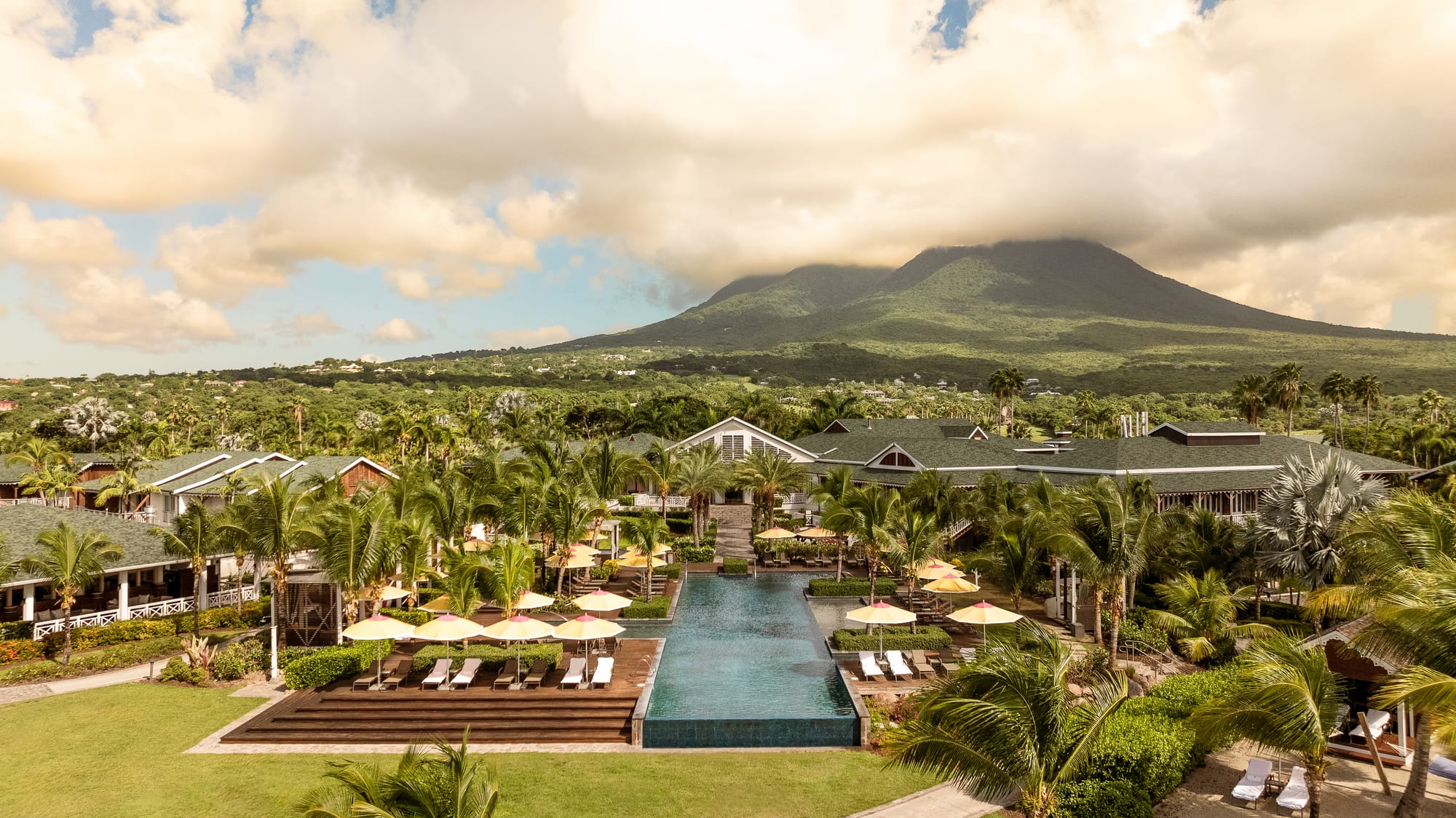
When Four Seasons opened on Nevis 35 years ago, it was the brand’s first Caribbean resort and only its second property in the Americas—a bold move for an island then largely absent from the global luxury conversation.
Set across 350 acres between Nevis Peak and Pinney’s Beach, the resort has evolved while maintaining a clear sense of place. This spring, it introduces a Kids Tennis Camp in partnership with Peter Burwash International, running March 16 through April 10 for ages 5 to 12—reflecting a broader shift toward multigenerational travel experiences designed for connection as much as escape.
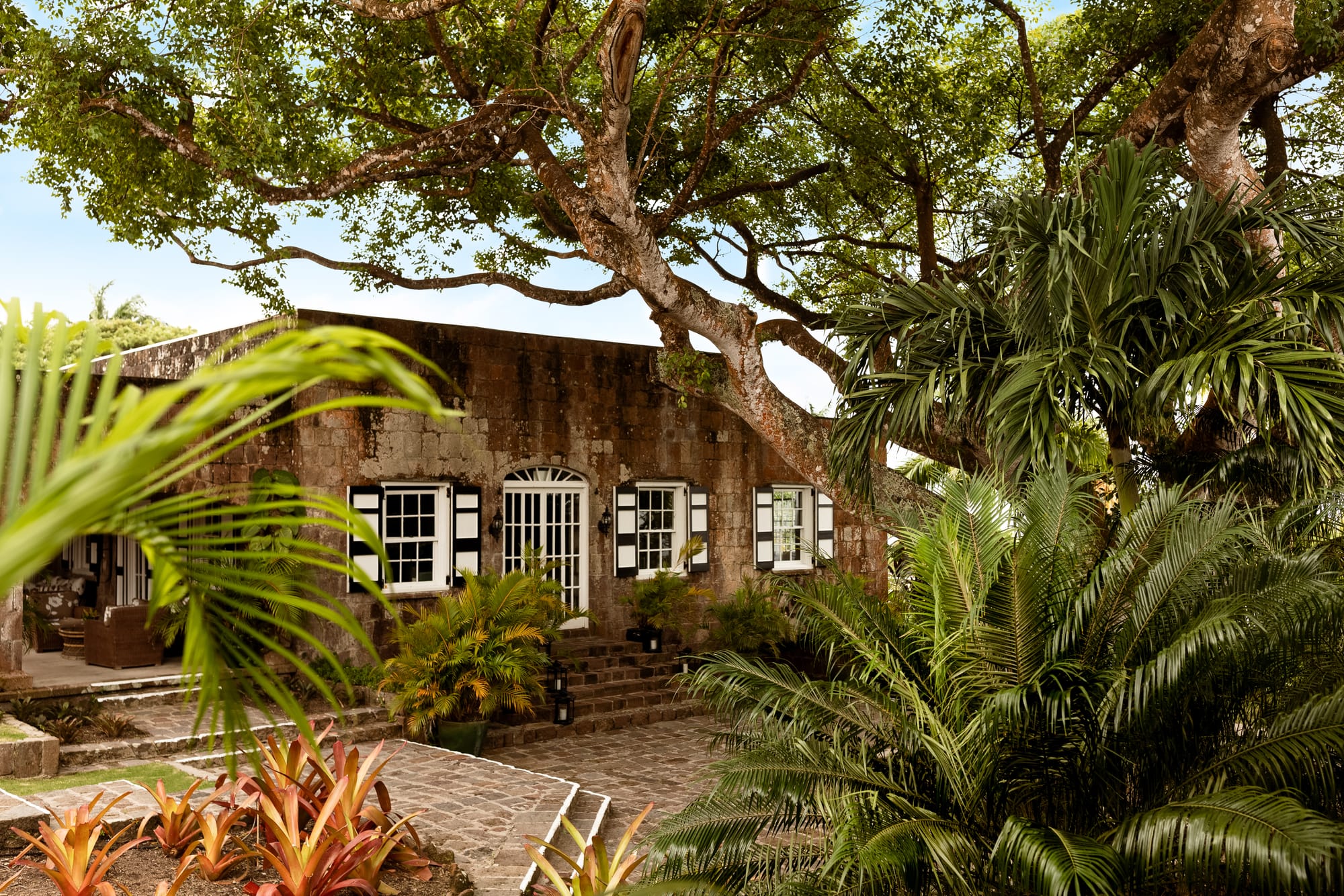
Celebrating its 60th anniversary, Montpelier Nevis enters 2026 with refreshed guest rooms and public spaces, along with Saddle Hill View Villa, a newly renovated two-storey residence set within its 60-acre hillside estate.
The approximately 2,500-square-foot villa offers two king en-suite bedrooms upstairs, with the option for two more below, along with wraparound verandas and a private terrace edged by gardens and a poolside kitchen. Guests retain full access to the hotel’s dining venues and beach shuttle, but the prevailing luxury is privacy.
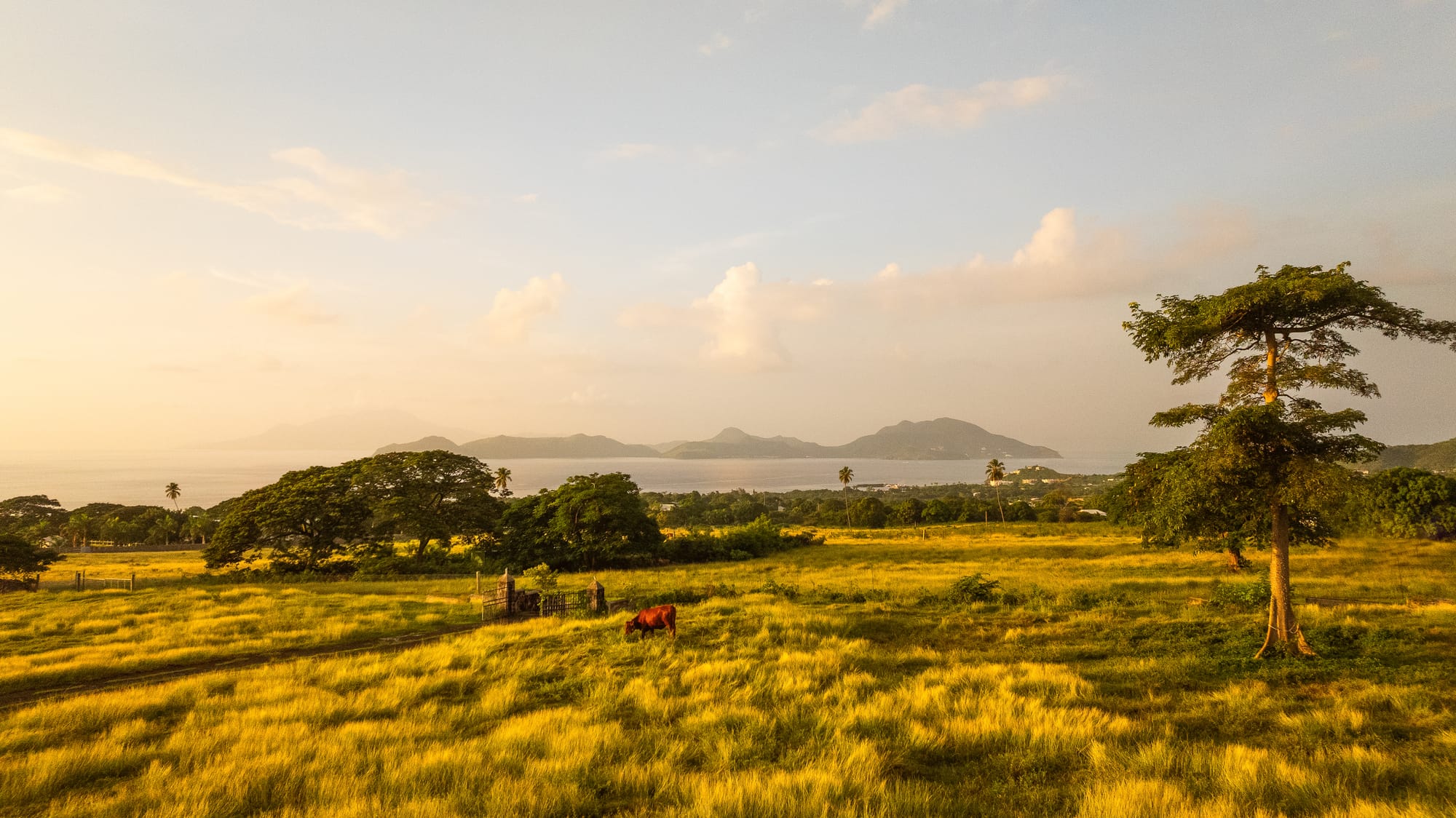
Crowned by Nevis Peak and edged by white-sand beaches, the island remains defined by refined simplicity and an unhurried West Indian spirit. It is also layered with history—from Hamilton’s birth to Admiral Horatio Nelson’s 18th-century marriage to Frances Nisbet.
In 2026, Nevis isn’t unveiling a dramatic reinvention. Instead, it is restoring landmarks, marking meaningful anniversaries, and leaning into what has long set it apart: heritage without spectacle, luxury without excess, and a pace that feels increasingly rare.
For travelers seeking the Caribbean at its most composed, Nevis feels less like a discovery than a return.