I Just Don’t Jive With the War in Iran

– 5 min read


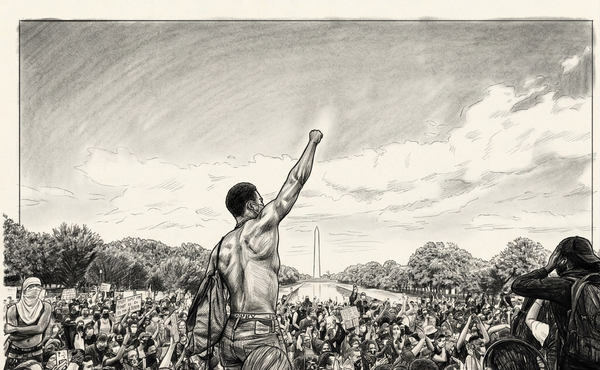
“We want all Black men to be exempt from military service. We believe that Black people should not be forced to fight in the military service to defend a racist government that does not protect us. We will not fight and kill other people of color in the world who, like Black people, are being victimized by the White racist government of America.” - Huey P. Newton
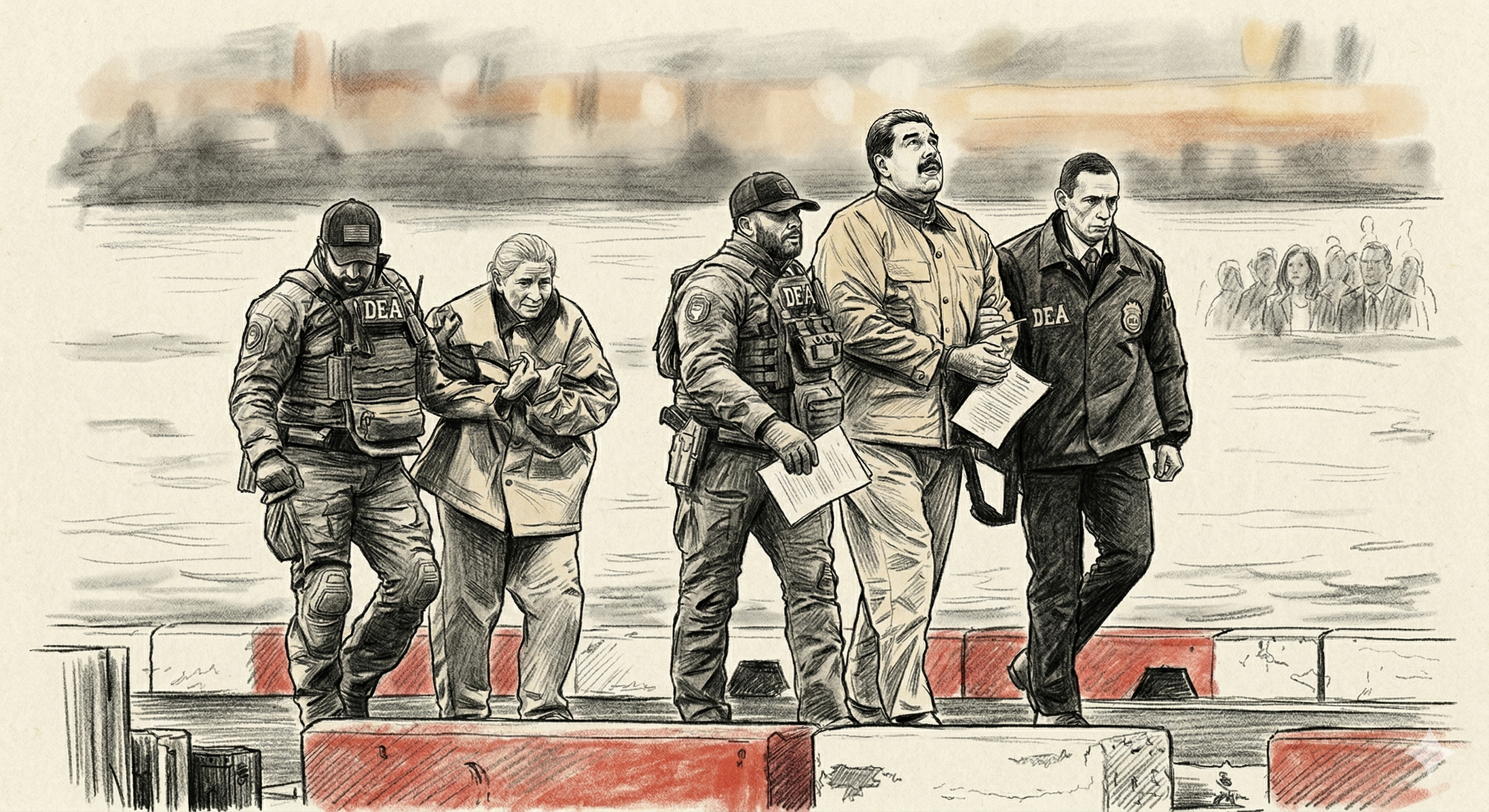
When “President” Trump illegally seized President Maduro and Cilia Flores from Venezuela on January 3rd, 2026, I knew that we were going to be in for a long year. Whether we discuss the assault of Marimar Martinez, a US citizen and school teacher, who was shot five times by an ICE agent, or the minstrel-esque depictions of President Barack Obama and Michelle Obama as apes posted to Trump’s social media platforms, it is clear that the values of democracy, decorum, and human decency—if they could ever exist in a land built by slaves and paved over indigenous people—are under assault.
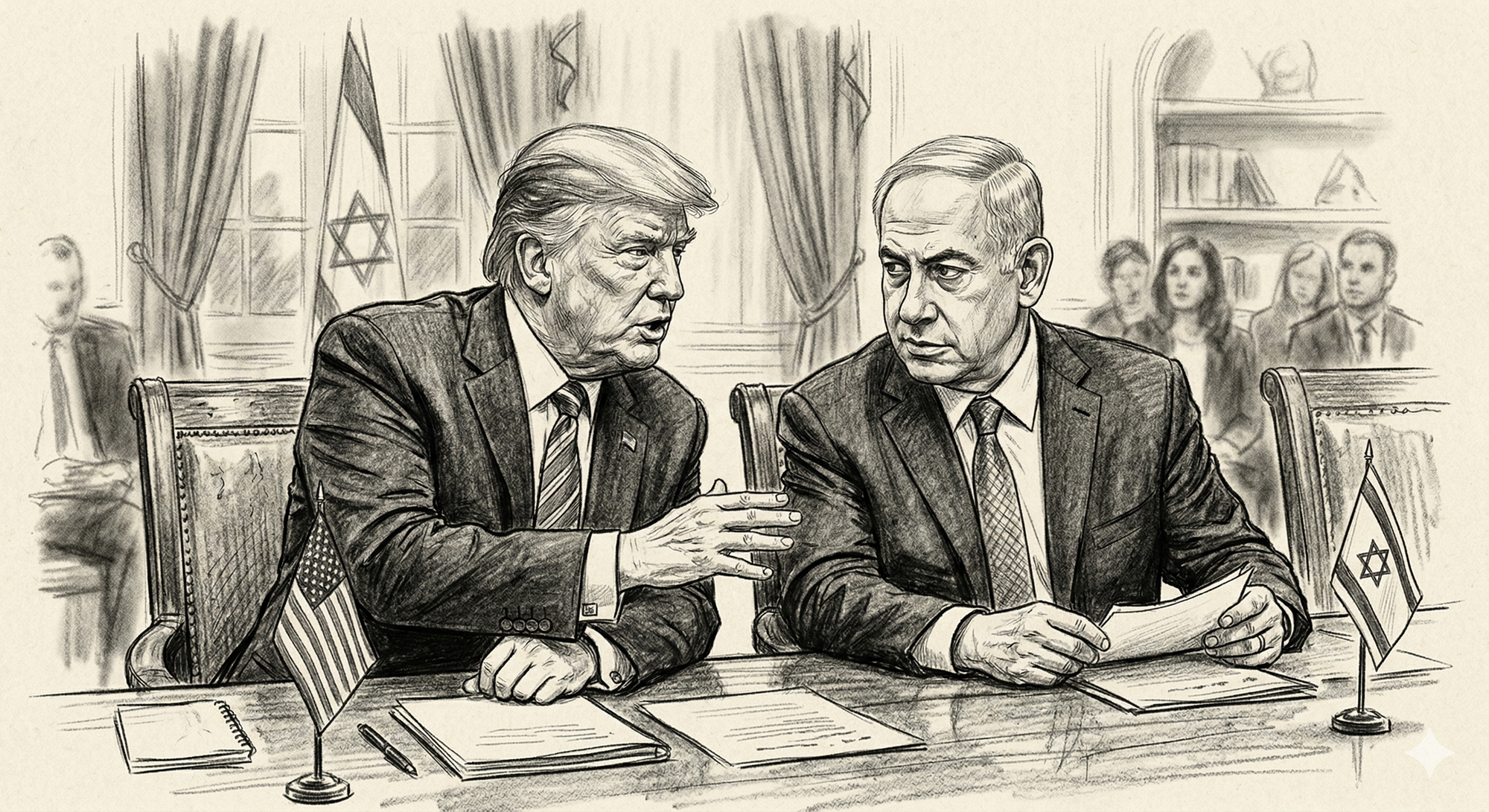
Most recently, Trump has dragged the country into another conflict in the Middle East in flagrant disregard of his campaign promise not to instigate or engage in “new wars.” The Trump administration and Israeli officials justify their preemptive aggression against Iran, claiming that Iran is an imminent nuclear threat to global peace. But republicans have a long history of using nonexistent threats as justification for Odyssean wars in foreign countries. Many will remember George W. Bush’s famous argument that the “absence of evidence is not the evidence of absence and Benjamin Netanyahu, the Prime Minister of Israel, has been claiming that Iran represents a tangible nuclear threat for thirty years—longer than I’ve been alive.
Notably, Joe Kent, the recently retired Director of the National Counterterrorism Center, wrote in his resignation letter:
“I cannot in good conscience support the ongoing war in Iran. Iran posed no imminent threat to our nation, and it is clear that we started this war due to pressure from Israel and its powerful American lobby.”
Of course, the war has exacted a high price on the American people. As of March 28th, 13 US soldiers have been killed in the conflict. The President issued a statement at the start of the month lamenting that “there will likely be more, but that’s just the way it is.” One can’t help but note the irony in the President’s commentary on the inevitability of casualties in war, given that he managed, quite skillfully, to evade drafts for the Vietnam War five times.
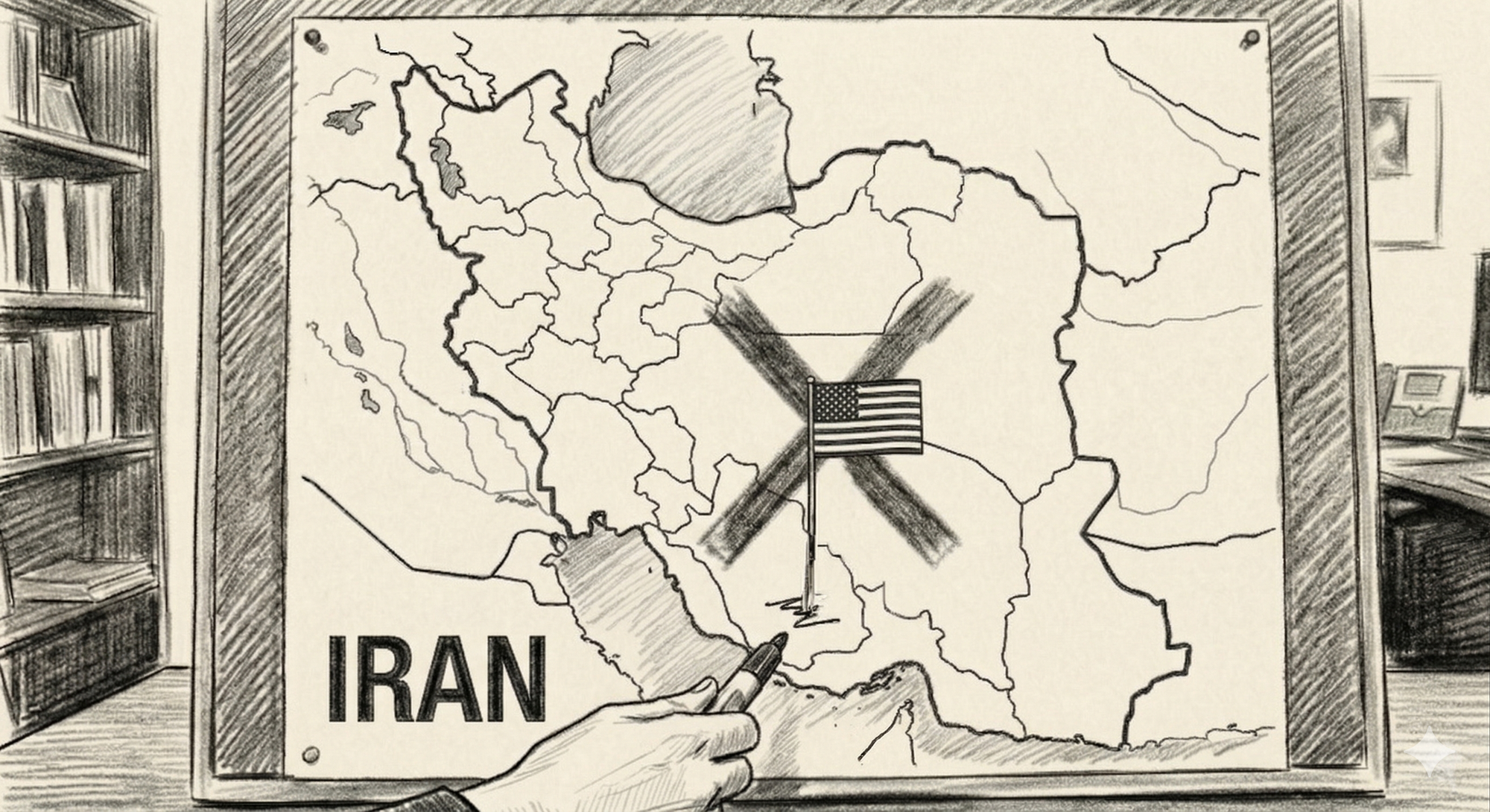
That said, it may be irresponsible to blame Trump alone for our current conflict with Iran. White America would have you believe that every Muslim is a potential terrorist, that Iran is nothing but a country of terrorists, and that only we, the benevolent stewards of Western civilization, can save the world from their extremism. This blissful propaganda deliberately ignores the United States’ sponsored coup to overthrow the democratically elected Prime Minister of Iran, Mohammad Mosaddegh. The coup served two main purposes: first, to prevent the spread of communism in Iran (even though Mosaddegh was not a communist); second, to secure access to the country’s oil supply.
Decades later, after Iran managed to depose the US-backed shah and reclaim sovereignty from Western influence, Iranian students took 66 American citizens hostage at a US embassy, demanding that the US cease intervention in Iranian affairs and return the Shah, the United States proxy leader, back to Iran to face justice. The Iranians held American citizens for 442—but they let thirteen go early, all women or Black people. Ruhollah Khomeini, then Supreme Leader of Iran, argued that women were held in high regard in Islamic society and that Black people were also the victims of American violence.
Some argue that Khomeini’s gesture of releasing Black hostages was a gesture amounting to mere propaganda, a ploy to stoke racial tensions in an already racially charged era in American politics. That said, the gesture, as well as our contemporary political moment, illustrates a stark reality that we are not one people. Consider the litany of imperialistic campaigns waged by the West and who the loudest critics of those moments were.
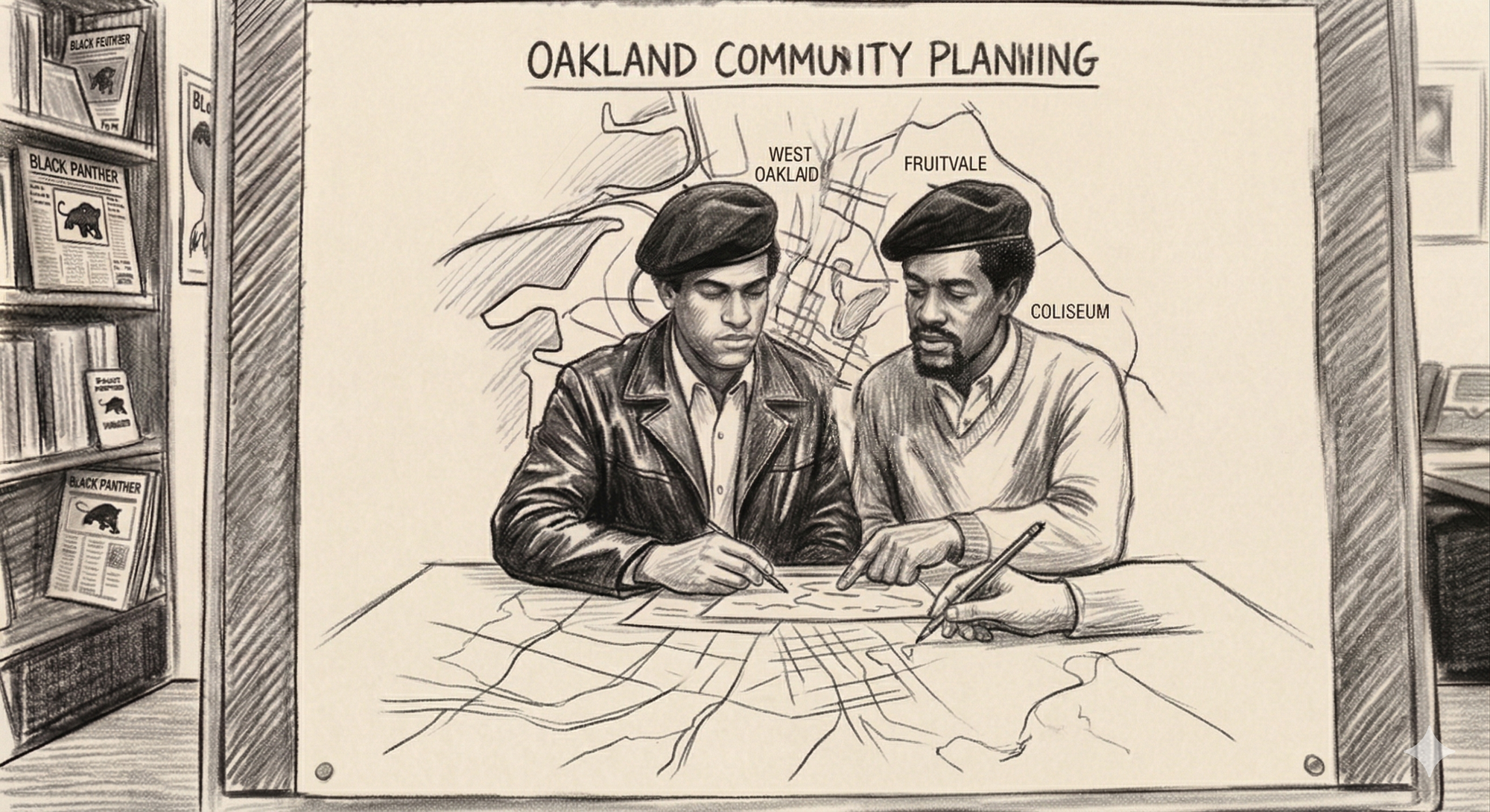
I think of Huey P. Newton and Bobby Seale and their Ten Point Program. They urged Black Americans not to participate in bloody campaigns against other people of color for a country that would never respect them. I think of Martin Luther King Jr., who was praised for his amicable “turn the other cheek” approach to race relations but was universally condemned for his stance against the Vietnam War. He argued, “I consider war an evil. I must cry out when I see war escalated at any point.” I think of Muhammad Ali, who fought against the demands of the draft, as he knew that his enemy was not the Viet Cong; it was the white man across from him who refused to grant civil liberties to those who looked like him. Even now, Black people have remained remarkably consistent with our historical anti-war ideology. A recent poll conducted by NPR found that 68% of African Americans don’t approve of ongoing military action in Iran.
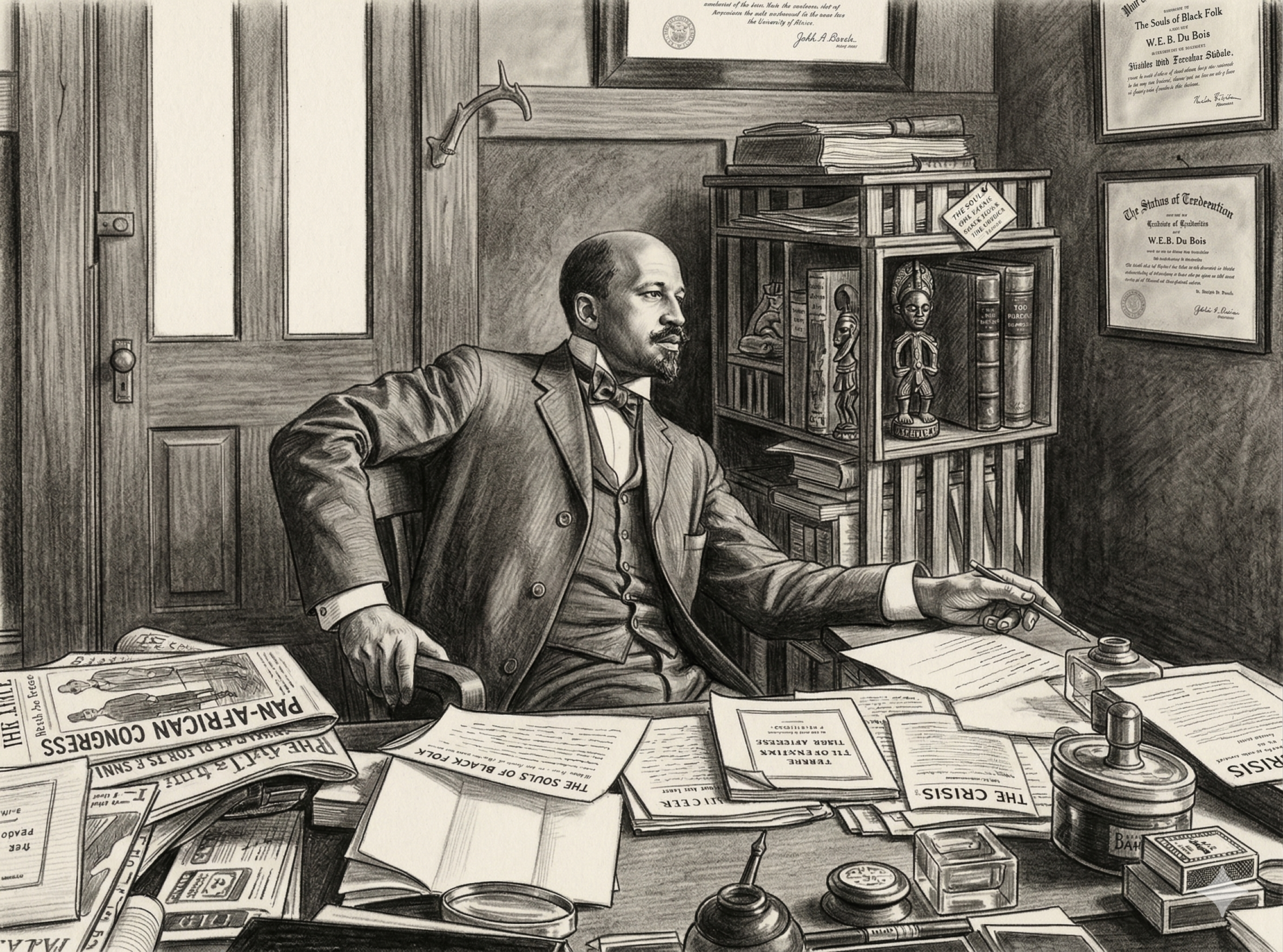
Of course, there have been esteemed Black intellectuals and scholars who have urged our people to fight wars on behalf of White Americans. WEB DuBois famously pushed for Black Americans to go out and fight in World War I so that our people would be honored upon their return for their courage. He contended,
“Let us, while this war lasts, forget our special grievances and close our ranks shoulder to shoulder with our own white fellow citizens and the allied nations that are fighting for democracy.”
But when Black Americans returned from that campaign against the Central Powers and demanded civil rights in exchange, they were met with the Red Summer of 1919, a violent series of lynchings and Klan Marches that terrorized Black Americans across the country. I have an immense respect for Black veterans and soldiers in this country. My grandfather, Col. Samuel E. Mims, served for thirty years before retiring in 1999. He looked back on his service with reverence and respect, but now that he’s gone, and I can form my own assessment of the country and his life, I can confidently say that this country did not deserve my grandfather’s sweat, much less his respect.
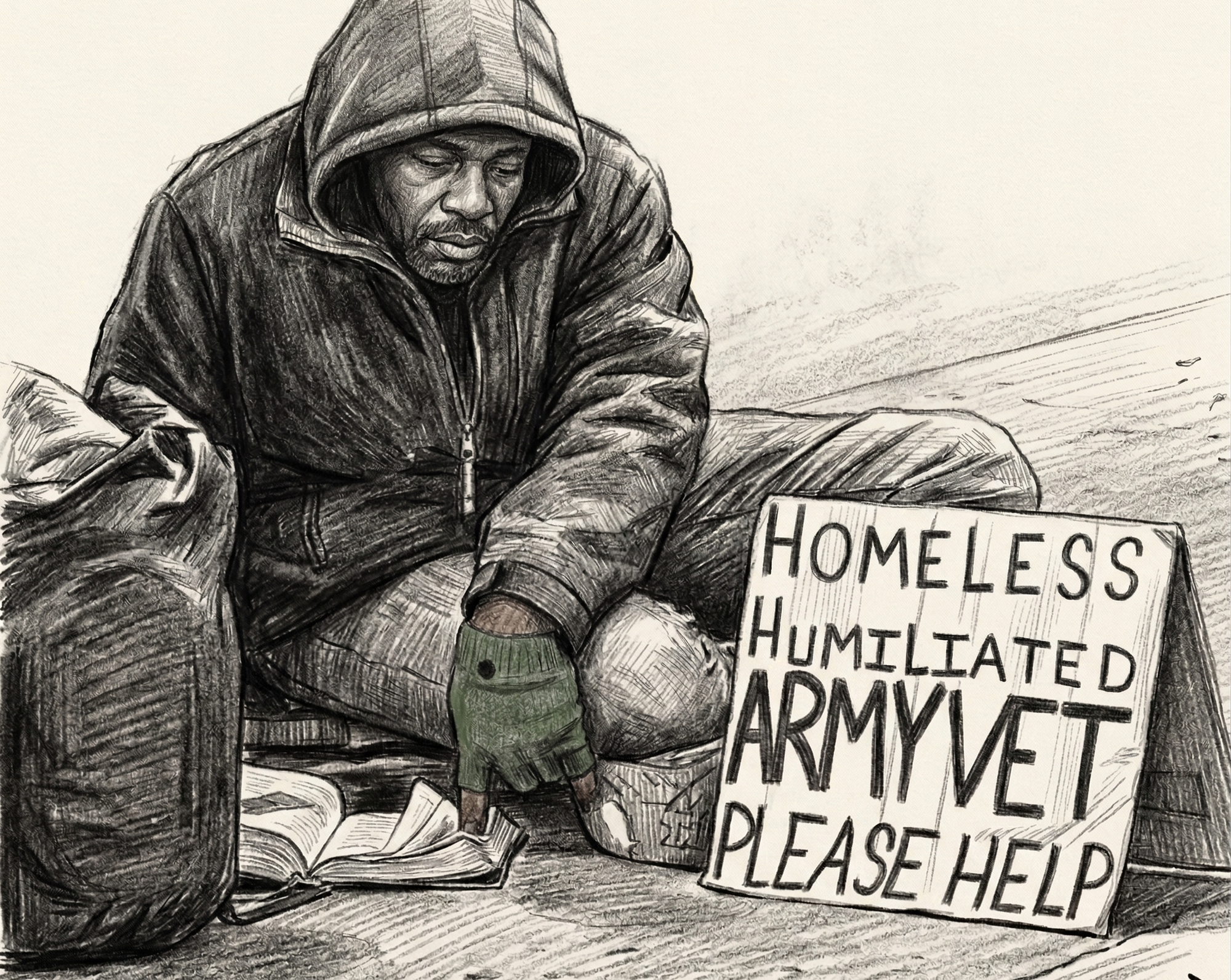
All I can ask of you, my people, is that you consider our shared history in these supposedly United States and consider all those homeless Black veterans on the streets of Atlanta and Manhattan and New Orleans, then ask yourself if your countryman, your White countryman, will honor your children after you die for them.