BEING EDDIE: The Art, the Armor, and the Man Who Made Black Hollywood Global

– 5 min read


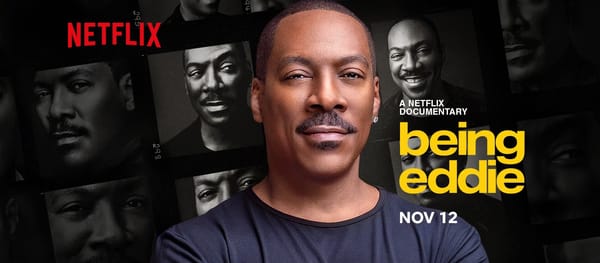
Netflix’s Being Eddie peels back four decades of superstardom to reveal the visionary who didn’t just survive Hollywood—he expanded it. For those of us who grew up racing to the theater for his movies, memorizing his lines, and watching him redefine what Black excellence looked like on the big screen, this documentary is more than biography. It’s a reunion with the artist who raised us.
Being Eddie | Official Trailer | Netflix
There are entertainers… and then there are artists who become part of your upbringing.
Eddie Murphy shaped my childhood in a way I didn’t realize until I watched his new Netflix documentary ‘Being Eddie’. I remember saving up to buy tickets, sitting in theaters with wide eyes, waiting for the moment the lights dimmed and Eddie’s world came to life. But nothing—and I mean nothing—felt as magical as Coming to America.
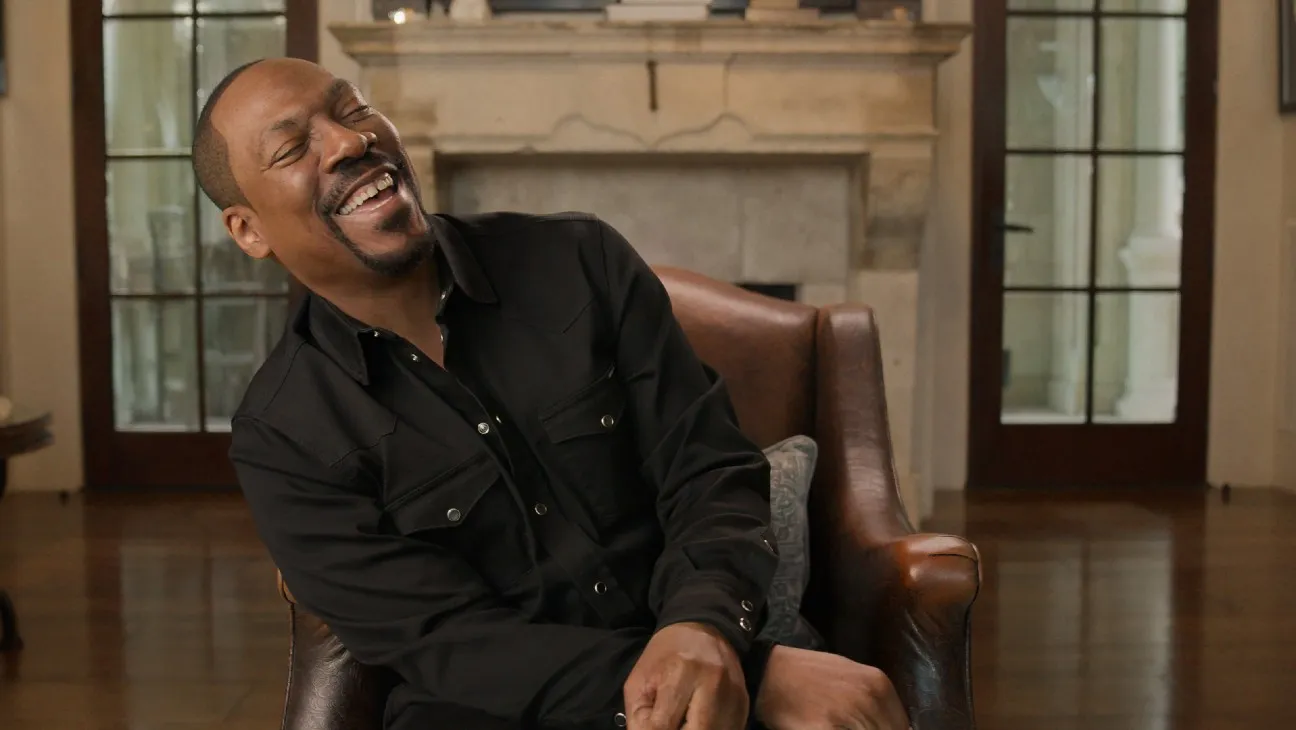
It wasn’t just a movie; it was the movie. A hopeless romantic even as a child, I loved romance movies and fairytales, I wasn’t conscious of the lack of representation in those stories because we were conditioned at the time to only seeing white people in those aspirational roles, but Coming to America was the black version of a fairytale with all the cultural accoutrements that resonated with us.
What I didn’t know as a middle-school girl quoting every line was that Eddie wrote that story from his own emotional truth. In the documentary, he and Arsenio share that Eddie felt like Prince Akeem in real life—lonely inside his own superstardom, unsure who loved him versus who loved the icon.
As a kid, I didn’t see the vulnerability.
As a woman, I see the genius.
Coming to America was Eddie telling a fairy tale about a prince—but confessing something deeply human about himself.
One of the most striking threads throughout the film is Eddie’s unwavering certainty about who he was meant to be. Not hoped. Not wished. Knew.
He never had a Plan B. Entertainment was the only destination.
That single-minded clarity became his armor in an industry that tests everything—your talent, your identity, your sanity, your dignity. Dave Chappelle says it plain:
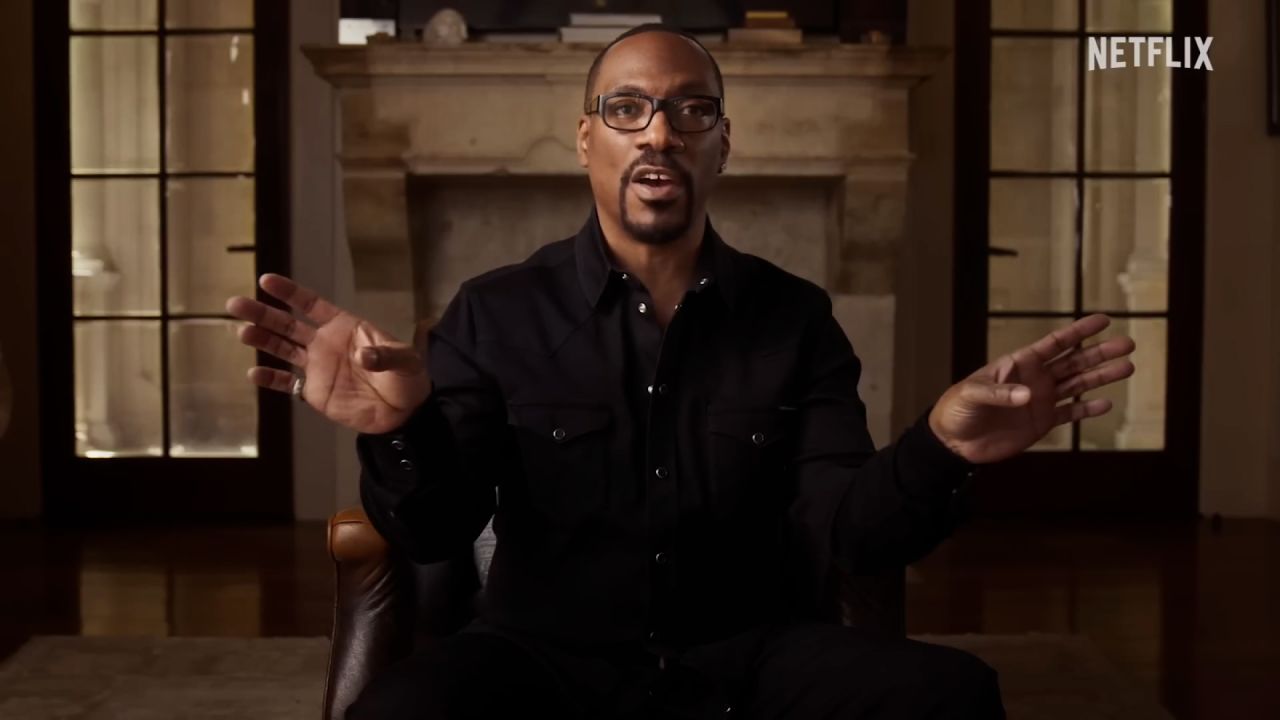
“The biggest success in show business is surviving it.”
And Eddie Murphy didn’t just survive—he reinvented, reshaped, and reimagined what a Black star could be.
Before Eddie Murphy, Hollywood did not believe a Black actor could be an international box-office draw. Being Eddie revisits this with the weight it deserves.
The revelation that Trading Places was originally written for Richard Pryor situates Eddie directly in the lineage of Black comedic genius. But Arsenio Hall’s commentary about the era’s “golden Negro” mindset says even more. Hollywood operated on the belief that there could only be one Black star at a time—a ceiling Eddie shattered simply by being undeniable.
Beverly Hills Cop made him global.
Saturday Night Live made him iconic.
His raw talent made him unstoppable.
Yet even with all that success, he wasn’t spared industry bias. Eddie opens up about the infamous SNL “falling star” joke by David Spade after a few films underperformed. Eddie says plainly that no white alum with his résumé would’ve been mocked that way.
But when he returned to the SNL stage in 2019—with Chappelle, Rock, Tracy Morgan, and Chris Rock joining him—it wasn’t just a comeback.
It was a coronation.
Eddie Murphy’s filmography reads like a timeline of his emotional seasons.
He gave us leather-suit bravado in Raw and Delirious.
He gave us suave, romantic Eddie in Boomerang.
He gave us family-man Eddie in Dr. Dolittle and The Nutty Professor.
He gave us global animated legend Eddie with Shrek.
But Being Eddie makes an important connection: his movies weren’t just projects—they were reflections.
Boomerang, for example, is recontextualized in the documentary in a way that hits hard. Eddie talks about the criticism it received simply because it featured Black professionals in luxury, in love, in elegance—without a white lead. He points out that a violent film like Boyz n the Hood never received the same scrutiny.
Hollywood was comfortable watching Black pain.
But Black romance? Black professional success? Black affluence? That was “unrealistic.”
Eddie challenged that lie head-on.
And he paid a price for speaking out—he mentions that his willingness to defend Black men publicly may be one reason the Oscars never fully embraced him.
THE BROTHER WHO MADE HIM FEARLESS
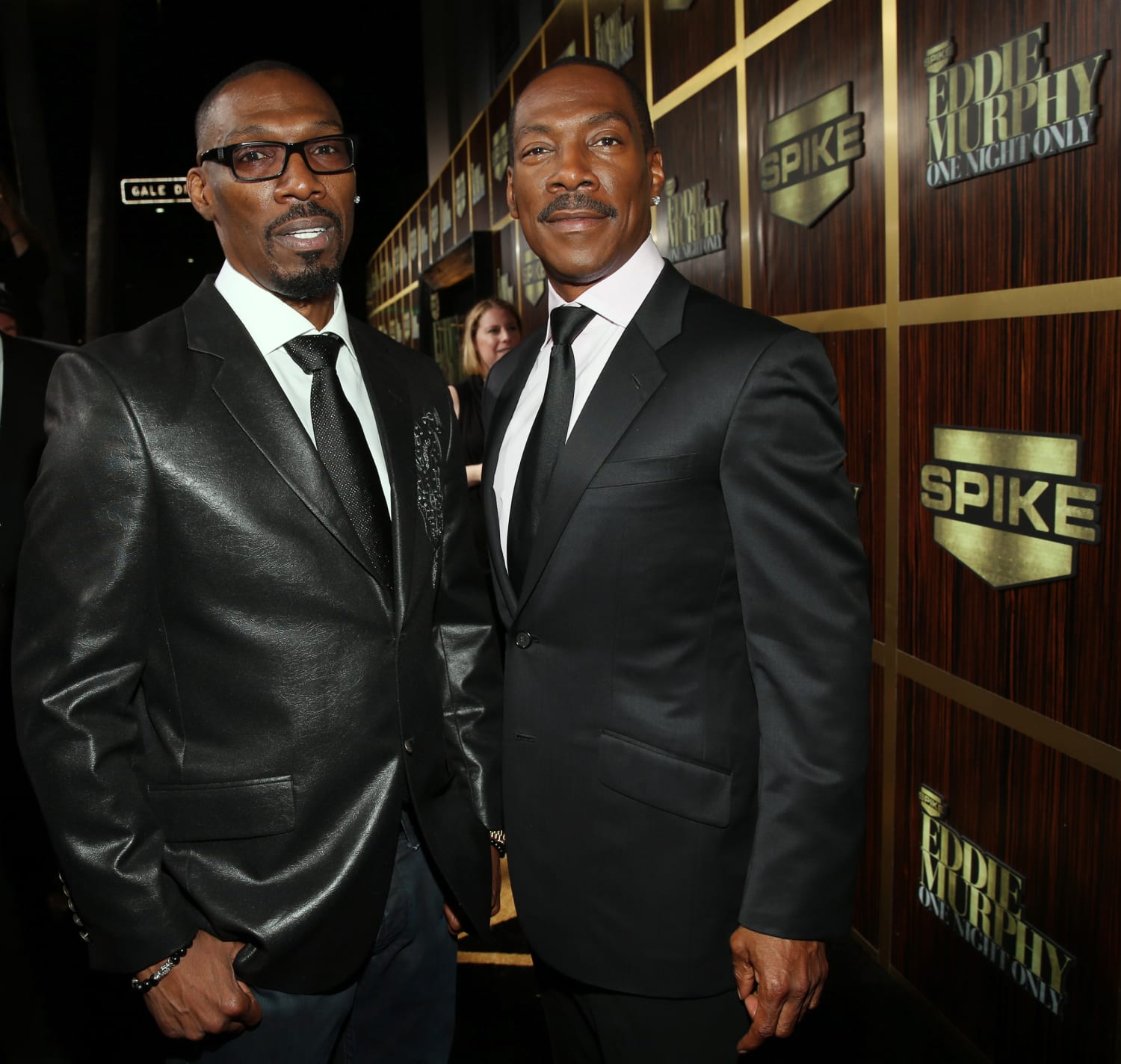
The emotional backbone of Being Eddie is Eddie’s relationship with his late brother Charlie Murphy. Their bond was more than brotherhood—it was protection, grounding, and love.
Eddie says Charlie was his bodyguard long before Hollywood.
Long before fame.
Long before the world saw his light.
Seeing old interviews of Charlie talking about Eddie is both heartbreaking and beautiful. It reframes Eddie not just as a prodigy—but as someone who had a champion from day one.
When Eddie talks about directing Richard Pryor and Redd Foxx in Harlem Nights, or burying Redd Foxx and buying Buckwheat a tombstone, those aren’t just stories. They’re proof of a life lived among giants.
At the end of the documentary, Eddie says if he ever returned to standup, he’d want Richard Pryor on one shoulder and Bill Cosby on the other—like angels, or artistic ancestors. He says he’d want ventriloquist puppets of both of them because they shaped his entire creative foundation.
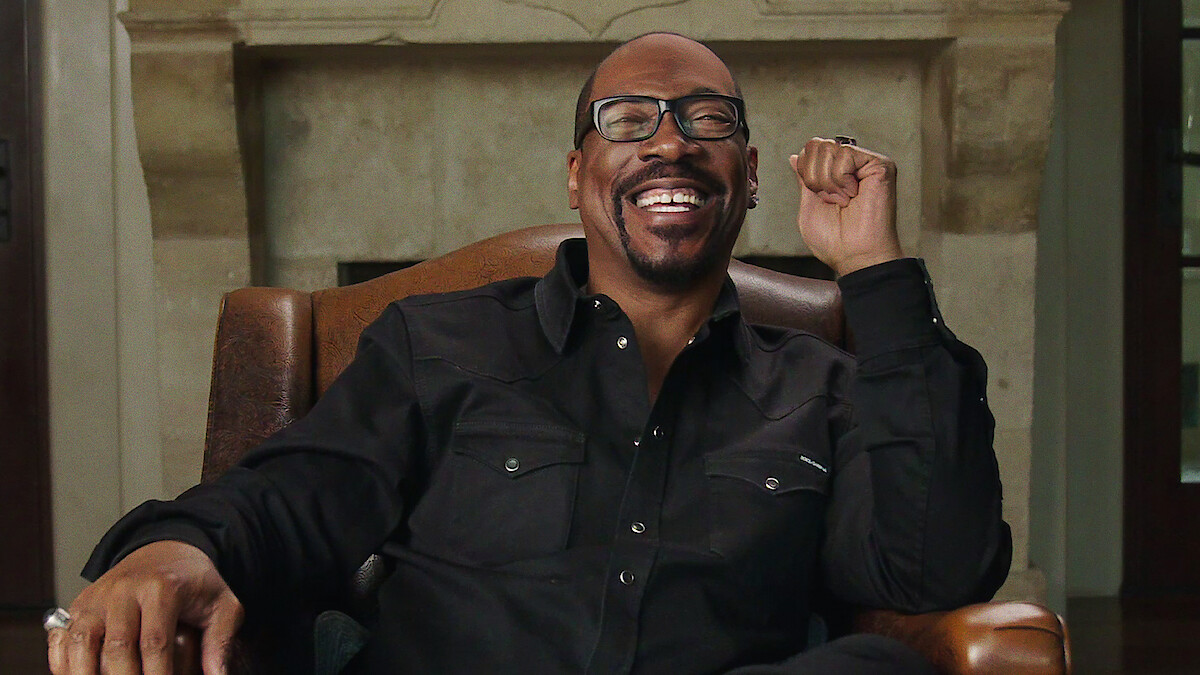
When the producers surprise him with those puppets, Eddie turns into a kid again—laughing, playing, imagining.
It’s the reminder we didn’t know we needed:
The greatest artists are always still in awe of the the heroes that inspired them.
This is illustrated in real time as Kevin Hart, Jamie Foxx, Tracy Morgan, Chris Rock and Dave Chappell speak with continued reverence about Eddie’s impact on their careers.
Watching Being Eddie was emotional for me—not just as an editor, not just as a storyteller, but as a Black woman who grew up watching Eddie Murphy redefine what was possible.
He was our first global superstar.
Our first example of a Black artist who transcended Hollywood’s limitations.
Our first lesson in how confidence and talent could coexist without apology.
He didn’t just make movies.
He made us dream.
He made us laugh.
He made us feel seen.
He made Blackness feel expansive.
Being Eddie is more than a documentary.
It’s a gratitude letter.
A time capsule.
A celebration of a man who remains, after all these years, one of the last great megastars whose crown has never slipped—it only evolved.
And for those of us who sat in those theaters as kids, clutching popcorn and staring at the screen in wonder…It feels like coming home.