Baltimore's Newest Play 'Bocking' Will Force Tough Reflection

– 10 min read






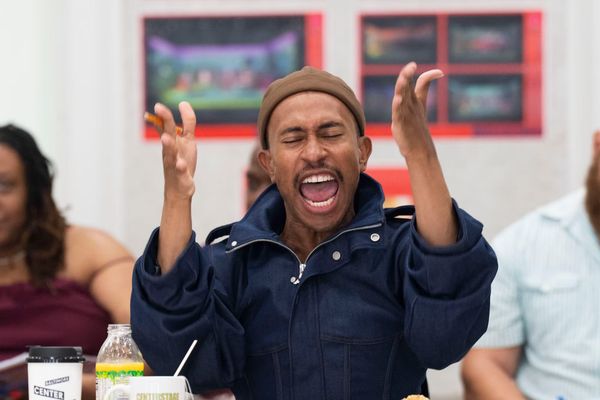
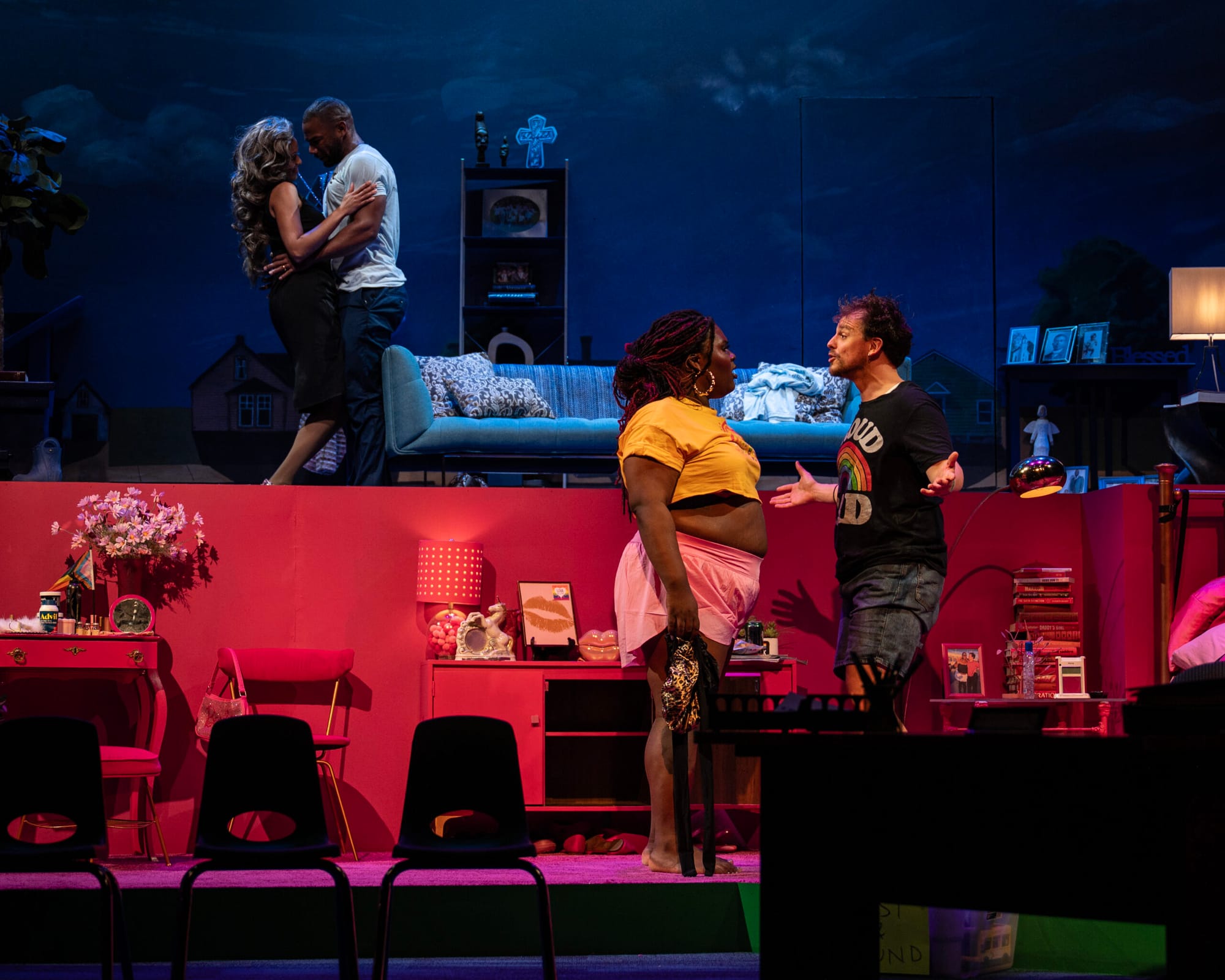
If you’re looking for a good theater production, don’t sleep on Baltimore. Baltimore Center Stage (BCS) is currently running Bocking, now through September 13th. Following the February premiere of trinity at BCS, which marked her playwriting and theatrical acting debut, Lena Waithe returns to Baltimore as the production's presenting producer alongside BCS’ Artistic Director Stevie Walker-Webb.
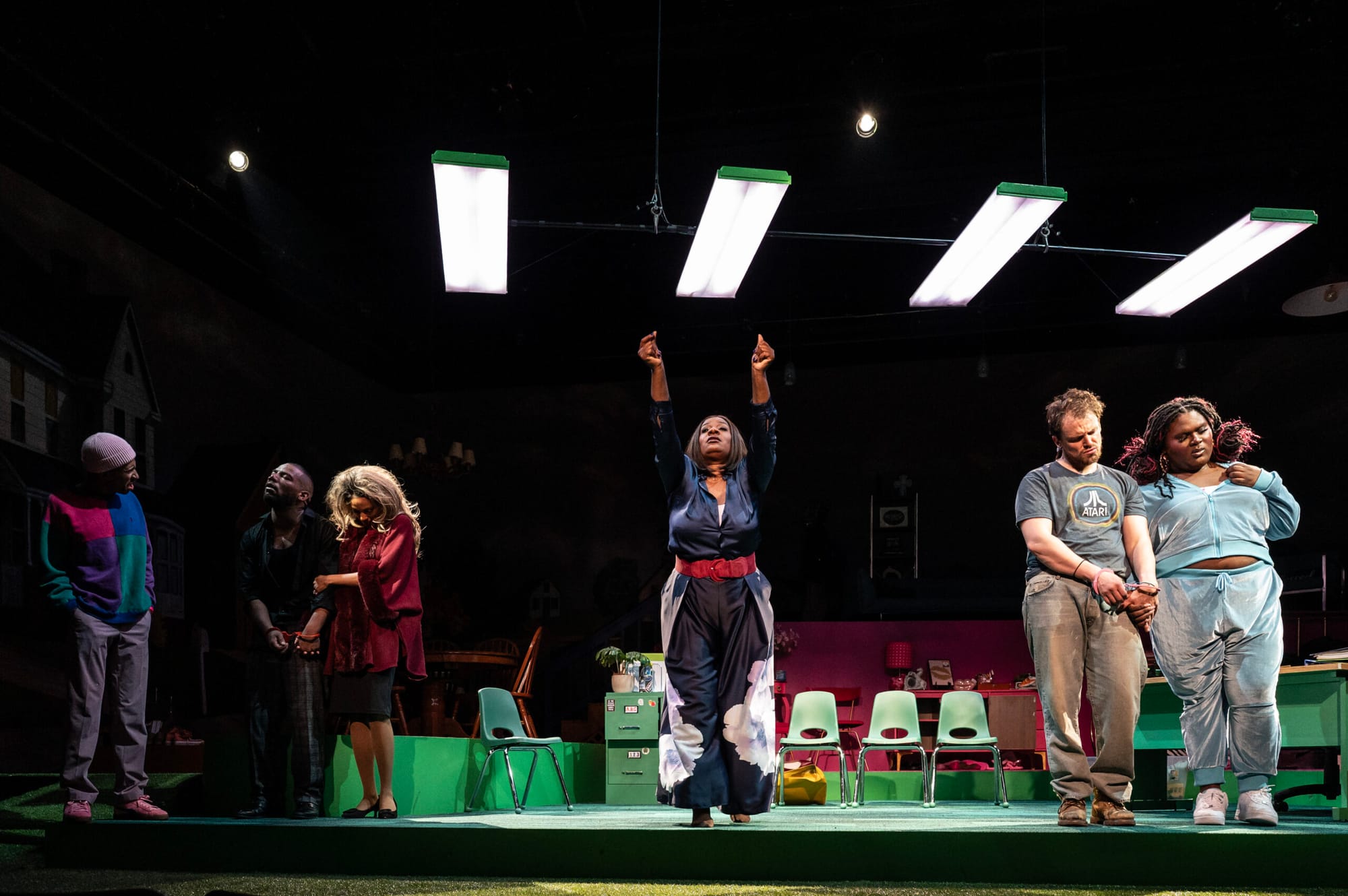
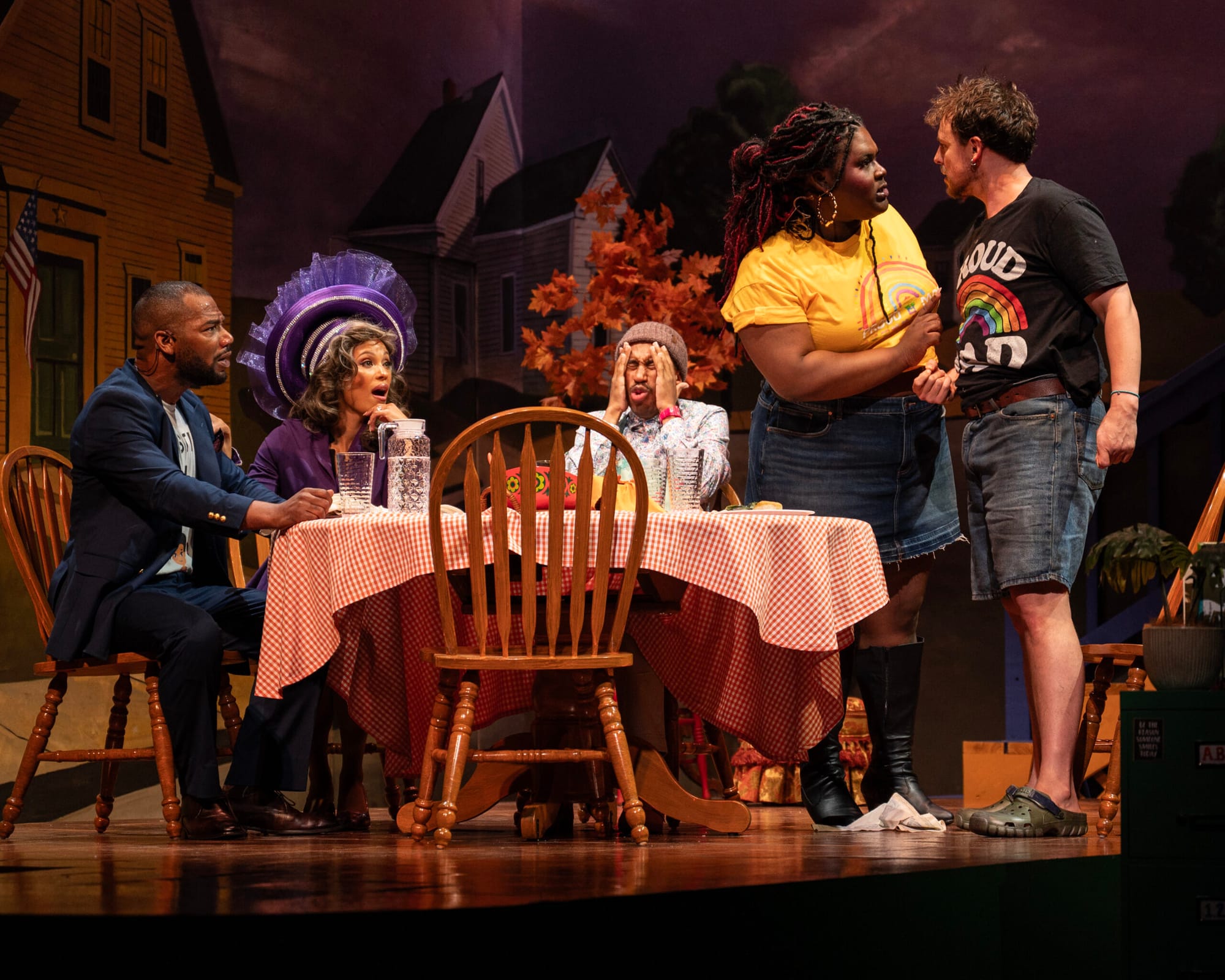
Bocking’s story begins when two children innocently repeat something overheard at home, landing their very embarrassed parents in the principal’s office. What follows is a chaotic chain of events involving a preacher, a so-called gay exorcism and a mysterious chicken named Danalana Parmesana. As the situation escalates, long-buried secrets, personal quirks and social taboos surface in a fast-paced comedy that refuses to behave.
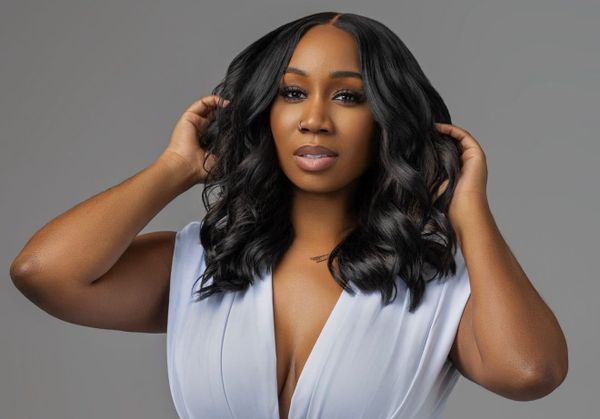
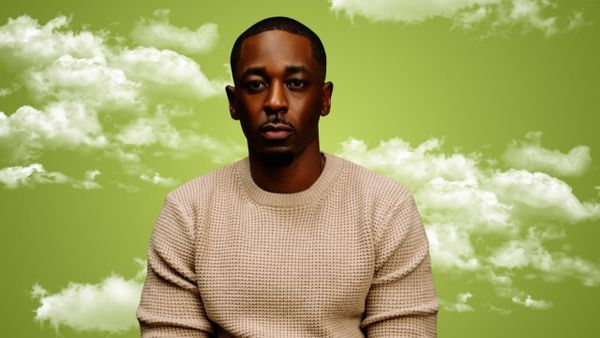
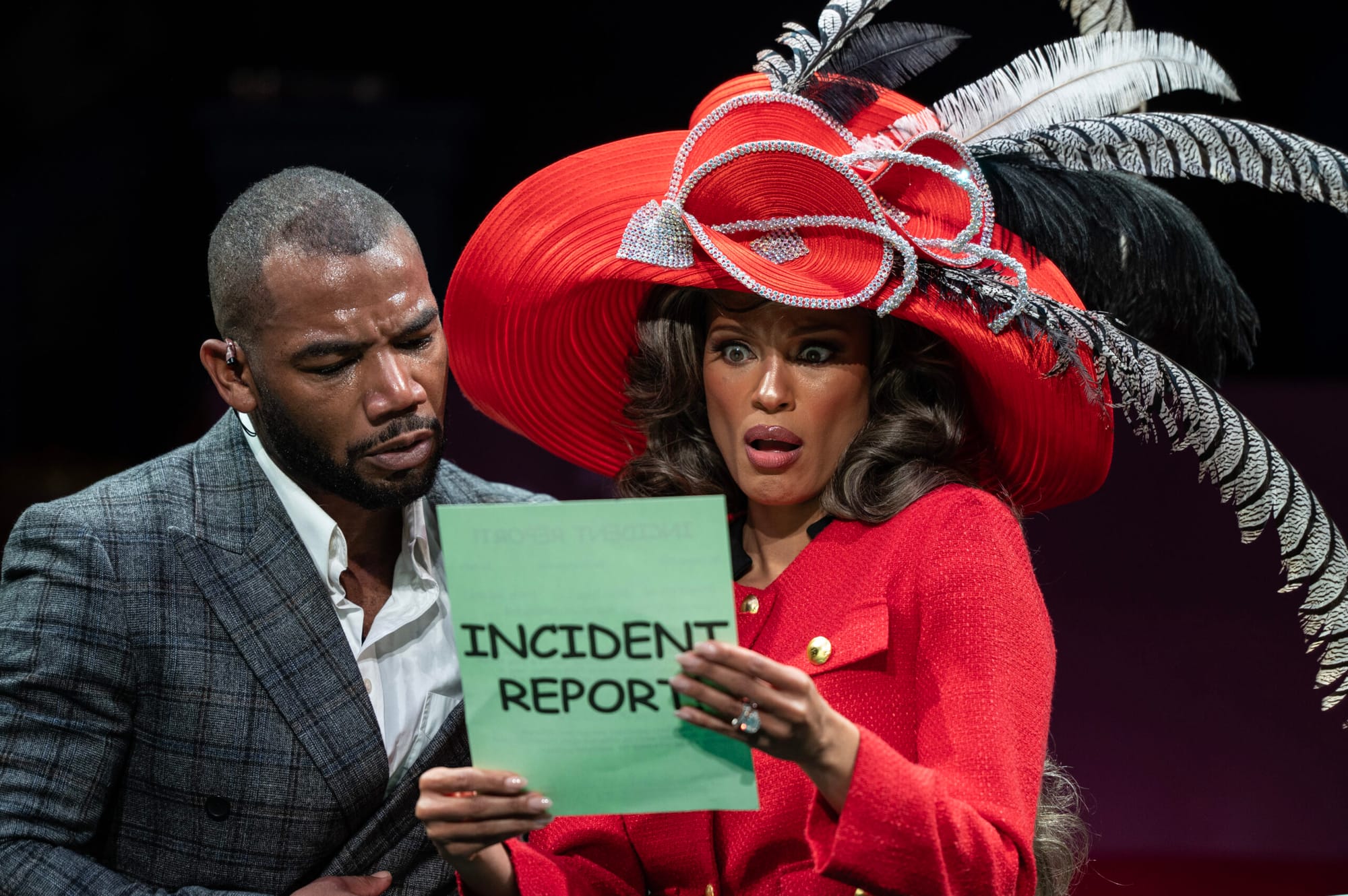
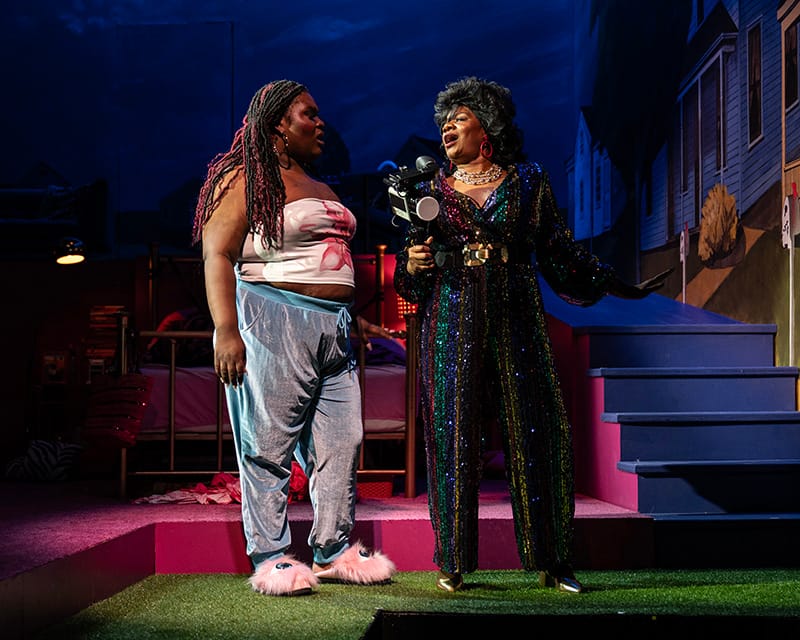
Among the cast is award-winning actor, producer, singer and television personality Kalen Allen as Erikson and Sis Thee Doll as Rita Day. The show is getting rave reviews. Lenox and Parker spoke with Allen and Sis Thee Doll about the show’s central themes.
Baltimore has been having a renaissance as of late within the local theater world. What do you think makes this city unique, and how does it compare to some of the larger or more well-known theater towns like New York, DC, or Chicago?
KA: I'll say that I think in places like New York or something like that, I often feel like those cities, they're making theater, or they're creating programming that is not necessarily for the people that live in those places. Instead, it’s for people who are traveling or tourists or something like that, especially in New York. And so I think what is special about Baltimore is the fact that it feels like the art is rooted in what the culture already is here, and it is serving the people that already exist here instead of trying to be something for somebody else.
STD: I completely agree. I think my feelings about it is regional theater is that it’s kind of some of the best theater, especially when you're working on new works and new plays, because you're really getting to see how the community responds to these stories that are being told in their community and in their backyard, whether it's like Kalen said in New York, these shows aren't specific to the people. I think that's really beautiful, and that's what I love about being able to be a part of Bocking is I feel like Baltimore is the perfect place for it to start, and I didn't realize how queer Baltimore was or how queer-centered it feels, especially as it pertains to Black queerness. So I think like this is the perfect show for this area. I think regional theater just gives you an ability to play with the world around you much more than plays and musicals in New York do. It is a lot less commercial.
Now the show is presented by Lena Waithe, who made her own stage and playwriting debut earlier this year in Baltimore with Trinity. How was it working with her as well as Stevie Walker Webb?
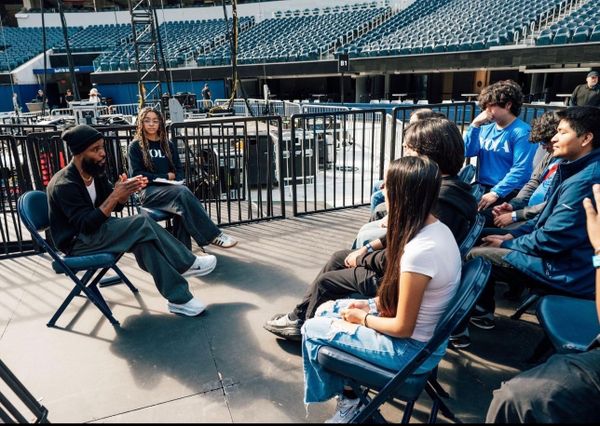
KA: I think Lena as a producer, we don't necessarily interact with Lena a lot, but Lena comes in to support. And what I will say about Lena, I think that is very different than in many times celebrities are when they attach themselves to projects, and it's usually just for the accolades and the glory. But one thing about Lena is that Lena's been very hands-on in making sure that we're selling the tickets at marketing. We’re doing a talk back with Kid Cudi, that is all off of Lena's idea.
And then working with Stevie, I think, has also been very inspirational and also motivating to watch a Black man come to a city like Baltimore and come in as an artistic director and really breathe new life into the theater and to really champion for the theater. He is one of the hardest-working people that I know in show business. And to be able to witness that up front and to see how he visualizes things and is truly a visionary, I think that's probably the greatest gift of this. But also the way that he trusts actors and the way that we were all handpicked by him to do this show, to have that type of trust in our own artistry has been so empowering as well.
STD: I really love Lena and Stevie. Me and Lena have kind of had an interesting relationship, a very touch-and-go relationship over the past two years, and it's just been really special to see our relationship grow and see how we have been in such alignment in the industry thus far. And I think that Lena is a great producer, especially from the marketing standpoint, and she really understands what it means to have community as a part of a process. I think that the most special part about being a part of this show is the talkbacks. We have all of these people coming to have a conversation and a dialogue about this show, and I think that's what theater is made for. I think we should consume art and sit around and talk about it all day. And so I'm kind of really excited for that.
Stevie's from Texas. I'm from Texas, and I think we first connected and linked on that. And he’s very magnetic. What I love about Stevie is he's really connected to the actor.
He's really connected to the person. A lot of directors are just worried about the show and just focused on that. But I think he really wanted to dig out who we were and allow us to claim the space as individuals and also as the characters, which I really appreciated.
Without giving too much away about the play, talk to us about some of the central themes throughout the show and how it parallels what's happening in real time in society.
STD: One of the biggest topics in this show is religion and how that relates to sexuality and identity. I think that's something all of us kind of play with and touch on. And I think there's been such a conversation in the past couple of years about the church, the Black church, and that conversation about who is welcome and who is not welcome, and what being gay is, and what being trans is, and what being queer is, and whether you are allowed to exist in your full self and still have a relationship with God. I think this play touches on that a lot, and it's interesting because I think people easily will not write the play off but think about the play in this big raunchy way, and it may make some people uncomfortable. But that is the point.
The point is to make you sit there and think and feel and relate, because we're doing all of the stuff that is done in the dark. Everything that's done in the dark, when we do that show for 90 minutes, the lights get turned on, and you're getting to see all of it, and I believe that's where we're headed in a society. I think social media specifically has allowed everyone to become so based in themselves and based in their reality, and telling that story, and I think now it's time to really get into the meat and potatoes.
Theater, back in the day, everybody was an archetype; everybody was just a character. So it was this idea of all these things onto one person. But now we are identity-focused, and all of these things pertain to how we relate ourselves. So I think we are in a society right now of hyper-focused on our own identities and our own selves, and I think the show takes that and puts it in a blender and shakes you up.
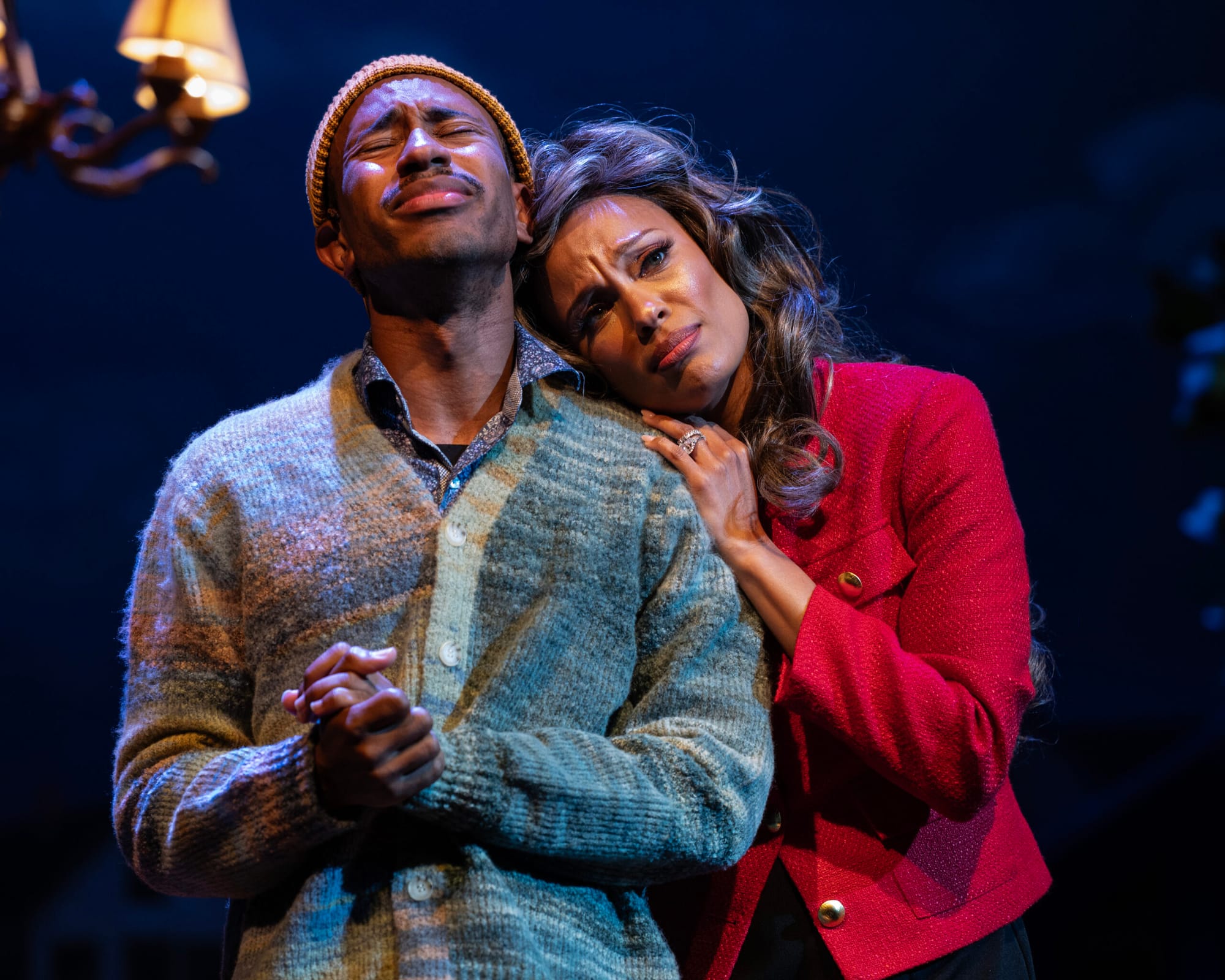
KA: Yeah, I agree. I think it also, what it does at the core, is just tell the human experience. I think while identity is a big part of it, I think it comes second in this story. I think what is first is just the fact that humans have their own senses of desire, and what it really impacts also is this idea of shame and fear, and what does that do in your own day-to-day lives, and how does that trickle down to your children? How does that interfere with how you move through the world? And what does that look like?
So even if you come to the show and you're shocked or you're bamboozled by what you're seeing or what is happening, what it's really asking you is ‘What are the things in your own life that you want, that you feel would make you feel more complete or more satisfied in your life that you are not allowing yourself to have because of the ideas and the thoughts or the restrictions that society has placed upon you?’
What are you guys most excited for viewers to see in the show?
KA: I would say see themselves. We do the show, and every audience is different, and sometimes we have a more talkative audience, and sometimes we have a quieter audience, and sometimes we have a little in the middle. The show is funny, so we know you're going to laugh regardless. But we hope that through the laughter, you actually see the lessons that exist, and that you understand that while there is a lot of funny here, there's also a lot of trauma here. There are critiques here. And there is a challenging of ideologies of religion, of spirituality, and that you can say, ‘Oh, actually, I need to confront this about my own life.’
STD: For me, I understand that for many, theater is a white world. Theater is very expensive. There are a lot of barriers to entry, and the entertainment industry as a whole, we know, is very racist. It's very queerphobic. It's all of these things, and so a lot of the time that limits who can engage with it. And I think throughout my career it's been very important to me to get to do work for Black people and do work for Black audiences, and so this is one of the first times in my career that I get to look out every night and see people that look like me in a theater, and that's my goal in life.
I have a whole organization called the Open House Project to make sure that I can have theaters filled with people that look like us because that's not what you see 9 times out of 10, especially in New York and going to Broadway shows. So I think my that's the blessing for me in all of this - is looking out and seeing black people relate to us and hearing us and seeing us, especially with all the identities that we hold in this cast.
Both of you have had really amazing career trajectories too. Speaking of social media, you guys are both very active on social media and have a good following, and I know that transitioning into different spaces can be a hard space of sort of navigating this world. Talk to me a little bit about what keeps you guys motivated and able to adapt in such an ever-changing landscape.
KA: Personally, for me, there is no navigating it. This is what I've always done. I've got 3 degrees. I have a theater degree, a film degree, and a master's in journalism, so there is no change. I think the social media thing is that's the marketing tool that is just the thing that helps me move it along, but I've been doing this for 10 years now. This is in my blood, and so there is no transition. I'm an entertainer at heart. I'm a thespian at heart. I'm an actor. I just get every opportunity to do the job, regardless of what the job is or where the job exists. It’s another opportunity to do what so many people strive and dream of doing. And so, I just show up and just do the job.
STD: I think social media is a thing that has kind of like crept up upon me and more so happened upon me. I've been a very public person, or a very open person, and I'm a person who wears my heart on my sleeve, and I think social media, for me, is a blessing and a curse because it loves a girl who overshares. And that’s me, to a T. So, I think I found my lane in social media just because of my spirit, my energy, my heart, and who I am. And I love connecting with others, and that's just like another way to do that.
But I think it is very different for me because social media, especially the content creator and influencer game, it's very singular. You are known for who you are, and growing up, I always wanted to be a performer and an entertainer - and an actress as I got more specific with it. But then I realized what social media could do as far as my personality - because I've always been somebody with a big personality, so social media allows me to highlight and kind of curate my own little world.
So it's interesting when you are an actress on a TV show because when you're an actress on a TV show, you're in a machine. You're a part of a whole team, and you come in and you do your job for 1 or 2 days or 1 or 2 weeks, and then you leave, and you don't see the thing until it's on television or streaming or whatever, and you don't really get to connect with everybody. But you're a part of this thing. And then when you do social media, you're your own person.
I think it's interesting having to track and navigate, ‘OK, what part of this is Sis Thee Doll, what part of this is the actress, what part of this is the content creator aspect? And especially now in theater, what Kalen said about it being a marketing tool- that's all it is now. Especially entering a space, you have to be an asset to these rooms and these spaces. There are theaters now that look at how many followers you have, and it factors into whether you’re cast or not. You have to be a social media superstar if you want to get booked. You have to come into the room able to sell a show, and I think that's a very interesting conversation. I think Baltimore Center Stage is for the artist. It is very unique. It is not as commercial as the other theaters in the city.