Bad Bunny Turned His Grammy Moment Into A Cultural Message of Love

– 3 min read


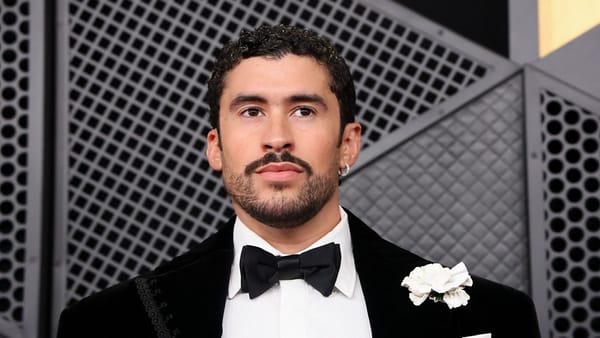
The Grammy Awards often reward success. Rarely do they reward clarity.
Bad Bunny delivered both.
Born Benito Antonio Martínez Ocasio, the Puerto Rican superstar took the Grammy stage to accept one of the night’s top honors — adding to a career that has already seen him recognized by the Recording Academy before — and chose not to soften his moment. He didn’t hedge. He didn’t code-switch. He didn’t retreat into platitudes.
He spoke plainly, and that’s exactly why it landed.
Bad Bunny opened by thanking God — a grounding move in a room built on ego — and then addressed something far larger than music. In a year when the undercurrent of the Grammys was unmistakably political, particularly around immigration and ICE policy, his words felt intentional, not reactive.
“They call us Americans, they call us savages,” Bad Bunny said.
“We are not here to fight. We are here to love.”
Line for line, the speech cut through the noise.
Throughout the night, artists including Billie Eilish openly criticized ICE and the ongoing treatment of immigrants in the United States. Bad Bunny’s speech didn’t contradict that energy — it focused it. While others addressed policy, he addressed people. And he did it from a position that American culture still struggles to fully acknowledge.
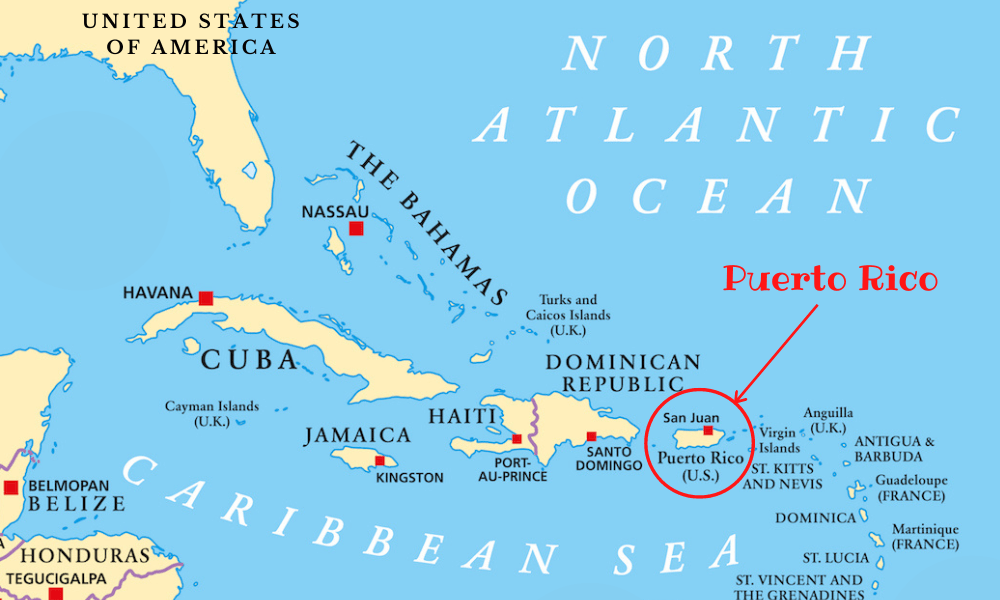
Bad Bunny is Puerto Rican. Puerto Rico is a U.S. territory. Its residents are American citizens — yet they cannot vote for president. The island exists in a political limbo that has long mirrored the way it’s treated culturally: visible when convenient, sidelined when it matters. The same is true for the U.S. Virgin Islands and other territories — American in name, conditional in practice.
That context matters, especially now.
As Bad Bunny prepares for his upcoming Super Bowl halftime performance on February 8, backlash has followed — particularly from conservative commentators and figures on the political right. The criticism isn’t subtle. It’s rooted in immigration panic, cultural fear, and a familiar discomfort with brown bodies occupying America’s biggest stages.
Bad Bunny didn’t respond directly to that noise. He didn’t need to. His Grammy speech already said enough.
What made the moment resonate wasn’t defiance — it was conviction. He didn’t posture as a protest figure. He positioned himself as a human being insisting on dignity, love, and belonging. That distinction is why the room responded the way it did.
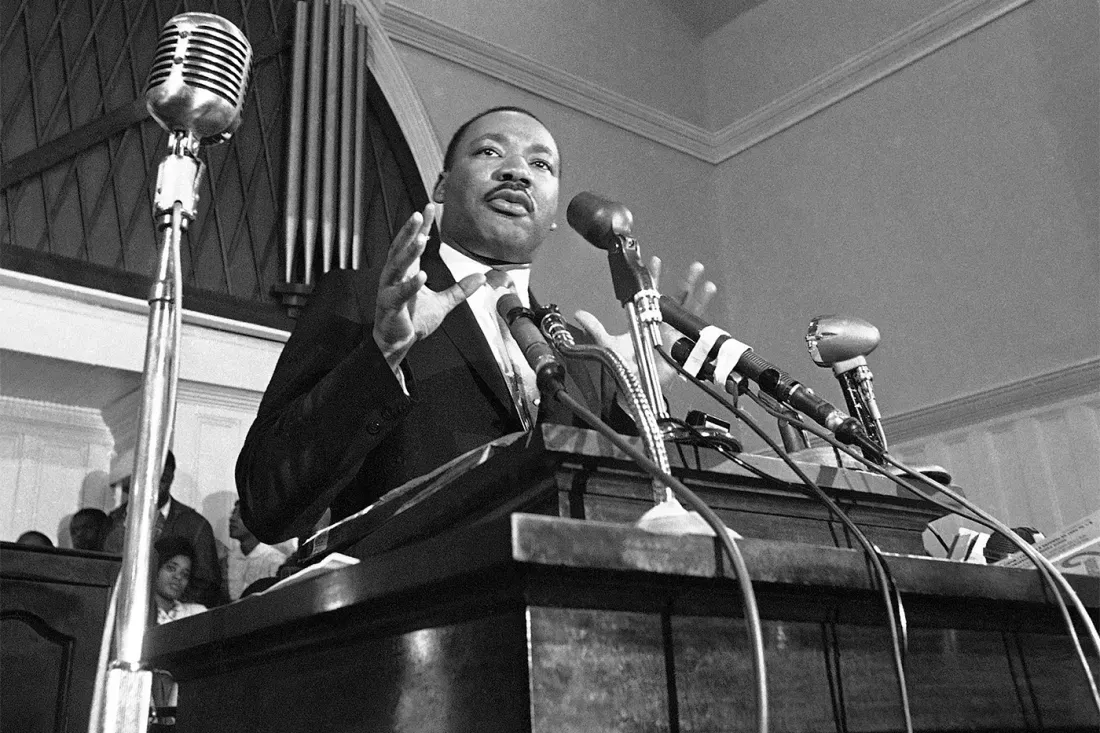
There’s a reason the speech felt especially potent during Black History Month. Dr. Martin Luther King Jr. reminded us that
“Darkness cannot drive out darkness; only light can do that. Hate cannot drive out hate; only love can do that.” Bad Bunny’s message echoed that truth without borrowing its language. Another King principle applies just as cleanly: “Nonviolence is a powerful and just weapon which cuts without wounding.”
Bad Bunny didn’t wound anyone last night.
He exposed something.
In a climate where the word “illegal” is still weaponized — despite the obvious truth that no one is illegal on stolen land — his refusal to engage in dehumanizing language mattered. It wasn’t radical. It was responsible.
And that’s why the moment worked.
This wasn’t a celebrity dabbling in politics. This was an artist whose existence already lives at the intersection of culture, empire, and resistance — choosing love anyway. Choosing clarity anyway.
As he moves toward the Super Bowl stage, the criticism will likely grow louder. That’s how it always goes when representation stops asking for permission. But if his Grammy appearance was any indication, Bad Bunny isn’t interested in appeasement.
He’s interested in truth.
And last night, the truth got a standing ovation.
Love won the room. And that’s something no backlash can rewrite.