Google Chrome Helps Black Women Prioritize Hair Care
– 3 min read



For black women, self-care is more than meditation and exercise. It’s the decisions we make in advance—the ones that require intention, patience, and follow-through. It's making sure you sleep in a silk bonnet, scheduling regular hair appointments and even experimenting with new products. Just like skincare, haircare thrives on consistency. Healthy hair doesn’t happen by accident; it’s built through routines, maintenance, and learning when to intervene and when to let things simply be. For Black women, haircare has always been more than cosmetic. It’s a reflection of how we tend to ourselves in a world that often demands our energy first.

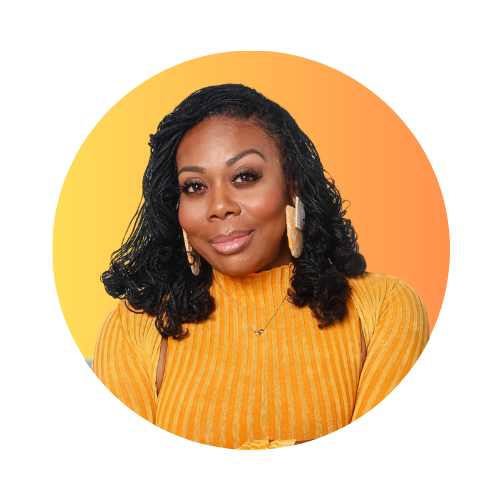
Since getting microlocs, last year that awareness has deepened for me. Locs don’t allow for shortcuts or last-minute decisions. They ask for planning. Retie schedules matter. Wash days matter. Moisture, tension, and timing all play a role in how locs mature and how they hold their shape over time. My relationship with my hair has shifted from reactive to intentional, and in that shift, haircare became less of a task and more of a practice.

Like most of us, I gather inspiration constantly. A creative loc style on TikTok. A beautifully styled updo saved on Pinterest. Screenshots that live in my phone with the hope of “one day.” The inspiration is endless, but without structure, it often stays exactly that—inspiration. Translating ideas into action has always been the missing piece.

What’s changed recently is how easy it’s become to organize what we’re already consuming. Browsing in Google Chrome helped me realize how seamlessly hair inspiration can move from something you admire to something you actually plan for. Staying on a page while breaking down steps, products, and timing allows your routine to take shape in real time. Instead of hopping between apps and notes, everything lives in one place, making it easier to be honest about what fits your lifestyle.
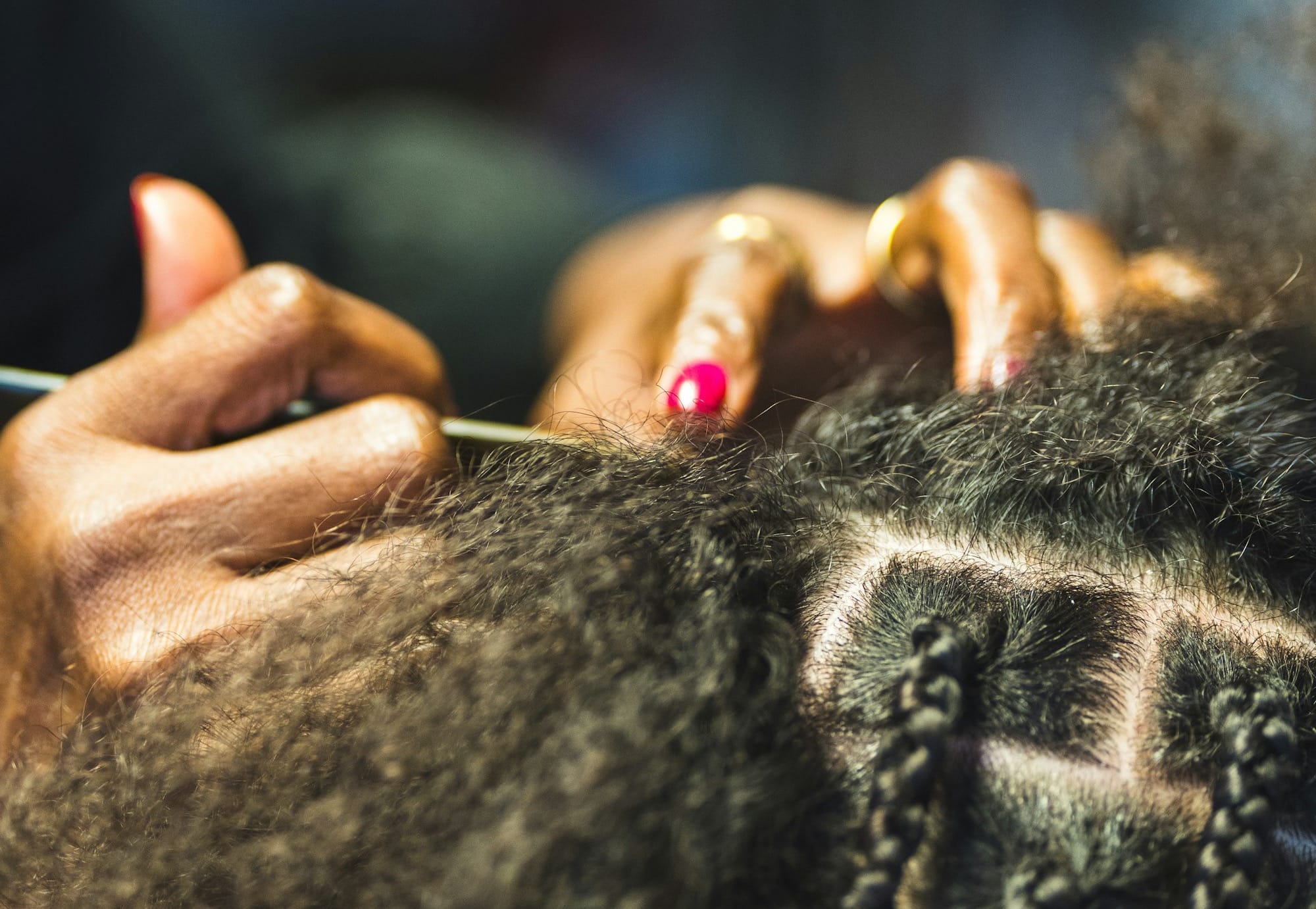
For women with locs, that clarity matters. Knowing when a style needs to come down. Planning wash days around work and travel. Making sure reties don’t become an afterthought. When your hair routine is mapped out, it stops competing with the rest of your life and starts supporting it.
There’s also a deeper shift happening. More Black women are taking ownership of their haircare journeys. We’re learning. We’re researching. We’re sharing knowledge openly. Between tutorials, step-by-step guides, and lived experience, many of us are discovering just how much we can do for ourselves. Stylists remain invaluable, but empowerment grows when you understand your own rhythm and needs.

Hair has always played a central role in how we present ourselves to the world. It shapes first impressions, confidence, and how we carry ourselves through everyday moments. Treating haircare with the same care we give skincare isn’t vanity—it’s alignment. It’s recognizing that preparation is a form of peace.

A hair calendar may seem small, but for Black women, it represents something larger. Ease. Intention. The quiet luxury of knowing what’s next—and honoring yourself enough to plan for it.