What Cicely Tyson Taught Me About Mindin’ My ‘Black Woman’s Business

– 7 min read


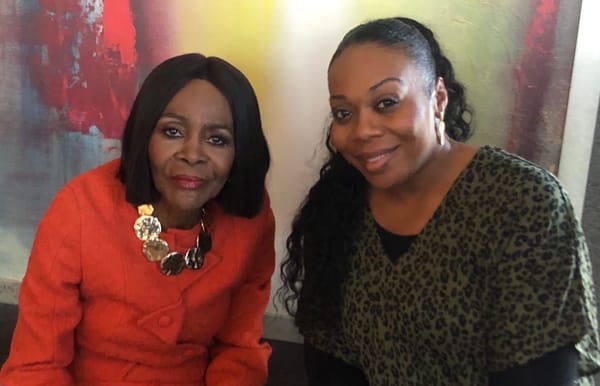
In January of 2020, just weeks before the world would shut down and words like “COVID” and “quarantine” and “mandatory vaccination” would reshape our lives, I boarded a plane to New York for what I believed would be one of the most meaningful interviews of my career. At the time, I was covering a new Tyler Perry film—aptly titled A Fall from Grace—and had the honor of sitting down with two women I had revered for most of my life: Cicely Tyson and Phylicia Rashad.
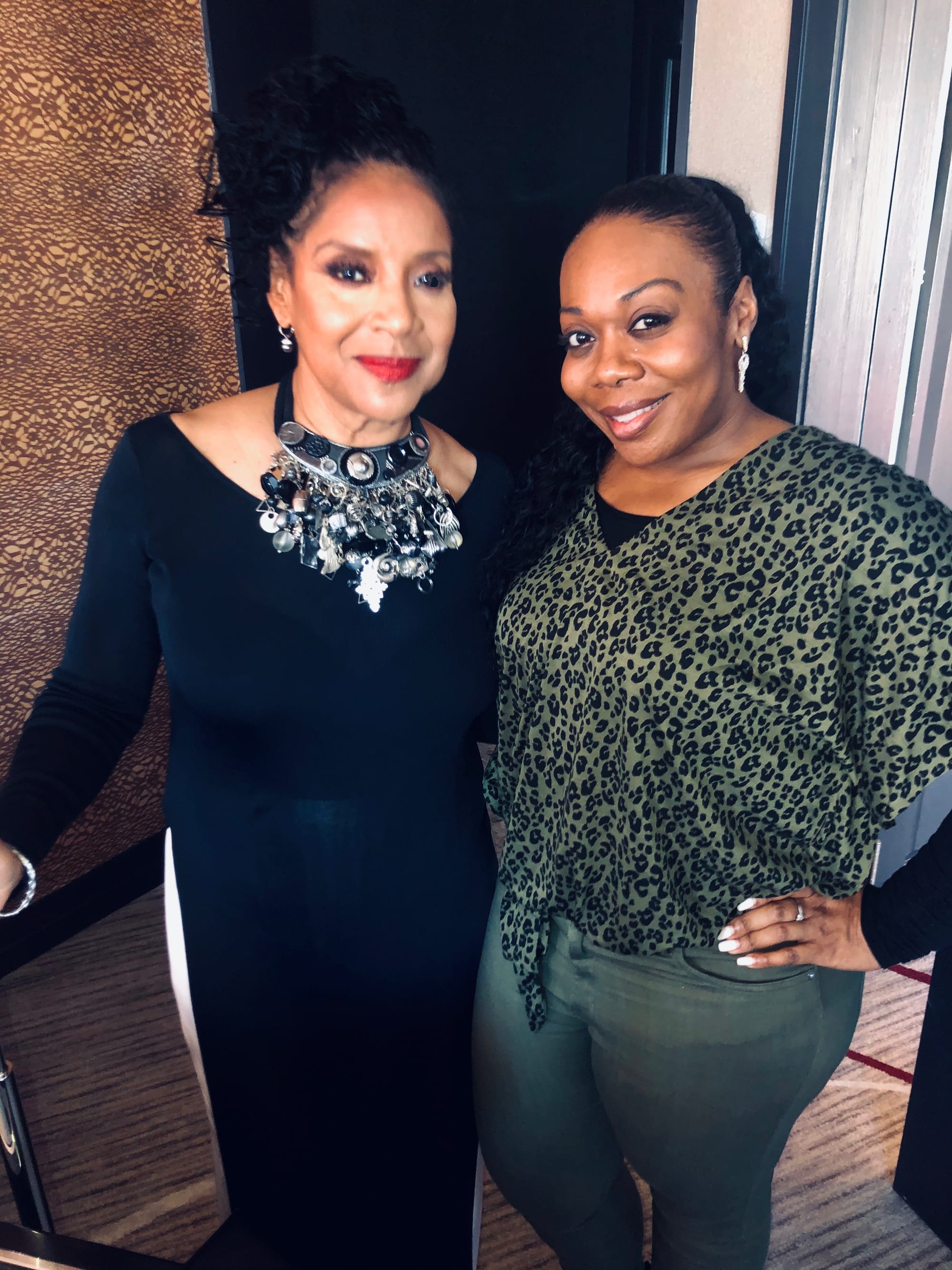
Whenever I feel nervous—and it doesn’t happen often—I’ve noticed that I don’t feel like the adult version of myself at all. I feel like the little Christal inside me resurfaces, and I am suddenly ten years old again. I feel wide-eyed and painfully shy. The kind of shy that made my eyes speak louder than my mouth. Back then I had long braids with plastic barrettes that would clack softly when I moved my head. Back then I watched the world more than I spoke to it. Phylicia Rashad was someone I admired deeply, someone I had grown up watching religiously on The Cosby Show, and Cicely Tyson was etched into my memory as the wise woman from one of my favorite movies, The Women of Brewster Place. Sitting in front of them that day, I felt exactly like that ten-year-old girl—quiet, reverent, overwhelmed—until I pressed record and began to ask questions. It was only later that I would realize what Cicely Tyson offered me in that conversation was not just an answer, but a lesson that would take nearly six years to fully understand.
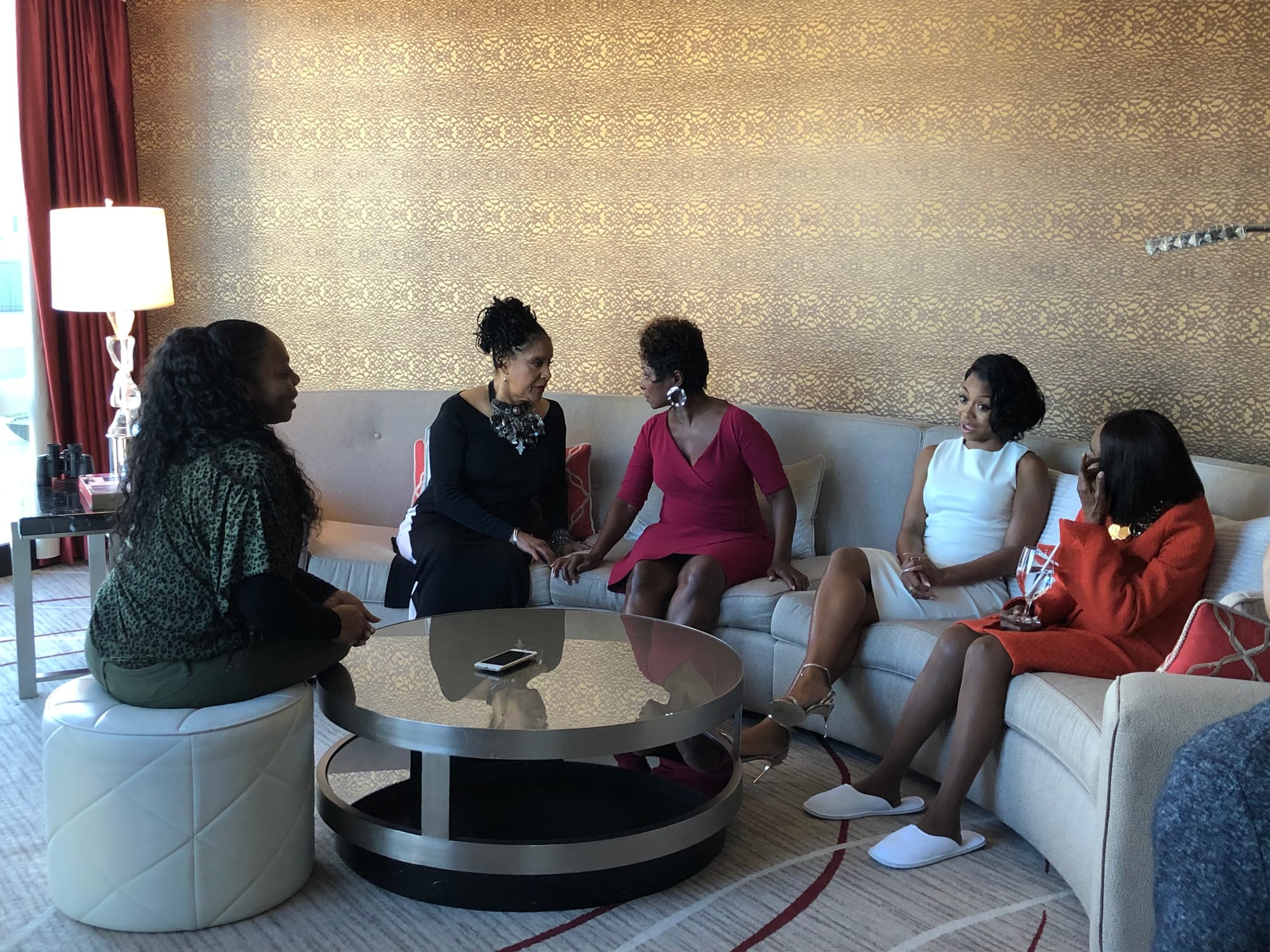
This was one of those assignments that reminds you why you chose journalism in the first place. Two iconic Black women, both living archives of grace, endurance, and excellence, sitting across from me with decades of lived wisdom between them. I went in prepared to discuss the film, but I also carried something else with me—a responsibility I often feel as a Black woman writing for Black audiences. I wanted to leave readers with something deeper than promotion, something that could be carried forward.
After we talked about the film, I turned to Cicely Tyson and asked a question I thought would produce a great soundbite, something rooted in womanhood, sisterhood, and shared struggle. I asked her about the Me Too movement, fully expecting commentary on accountability, protection, and collective responsibility.
She looked at me directly, with that unmistakable precision in her voice and posture, and said—without apology or hesitation—that the Me Too movement was none of her business. If you have ever watched Cicely Tyson speak, you know she did not waste words. Each syllable was intentional, deliberate, and final, and her answer landed with a weight I was not prepared for in that moment.
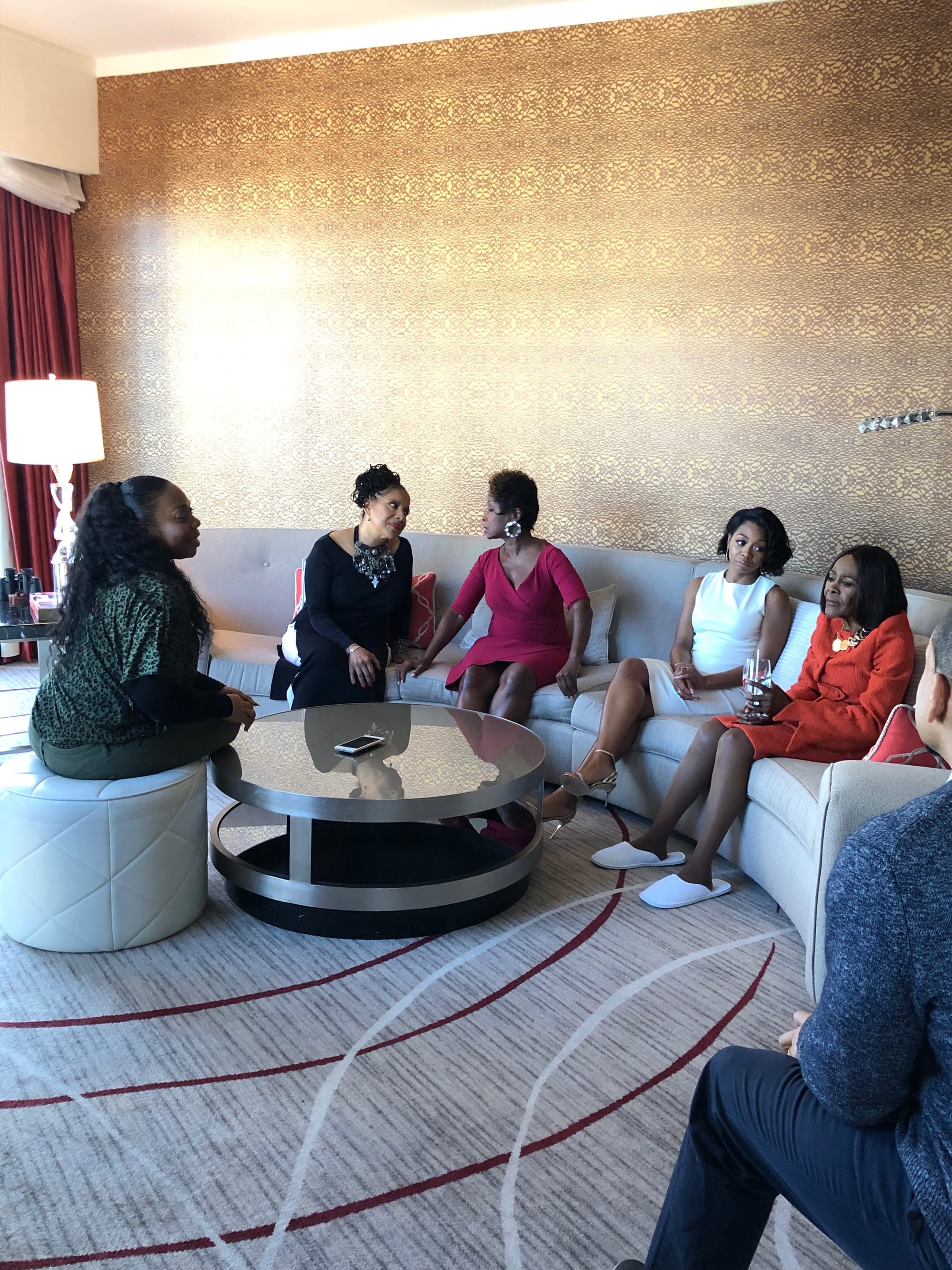
I was taken aback, not because I disagreed, but because I had never allowed myself to consider that perspective so plainly stated. By that point in my life, I had already spent decades navigating entertainment spaces. I entered the industry first through music as a junior publicist, eventually opening my own boutique PR firm and growing it into one of the most respected entertainment agencies in the Southeast. I had employees, clients, and access, and I had also seen firsthand how women—particularly young women—were treated behind closed doors.
I had experienced inappropriate commentary myself, moments that today would rightfully be labeled misconduct. The difference was that I entered the industry later than most, nearly thirty years old, married, with children, confident in who I was and clear about my boundaries. My mother had armed me early with the truth about how women, especially Black women, are often positioned to be taken advantage of, and I moved accordingly.
Even with that armor, there were moments that would not hold up well under today’s scrutiny. But my generation—Black women born in the mid-to-late 1970s and raised in the 1980s—were taught something very different. We were taught to hold our tongues. We were taught to handle it quietly, because telling often came with blame, disbelief, or professional exile. Silence, for many of us, was survival.
So, when white women began coming forward in large numbers and were finally believed, I felt conflicted. Not resentful, but aware that the outrage was not new. It was simply newly acknowledged, newly centered, and newly validated.
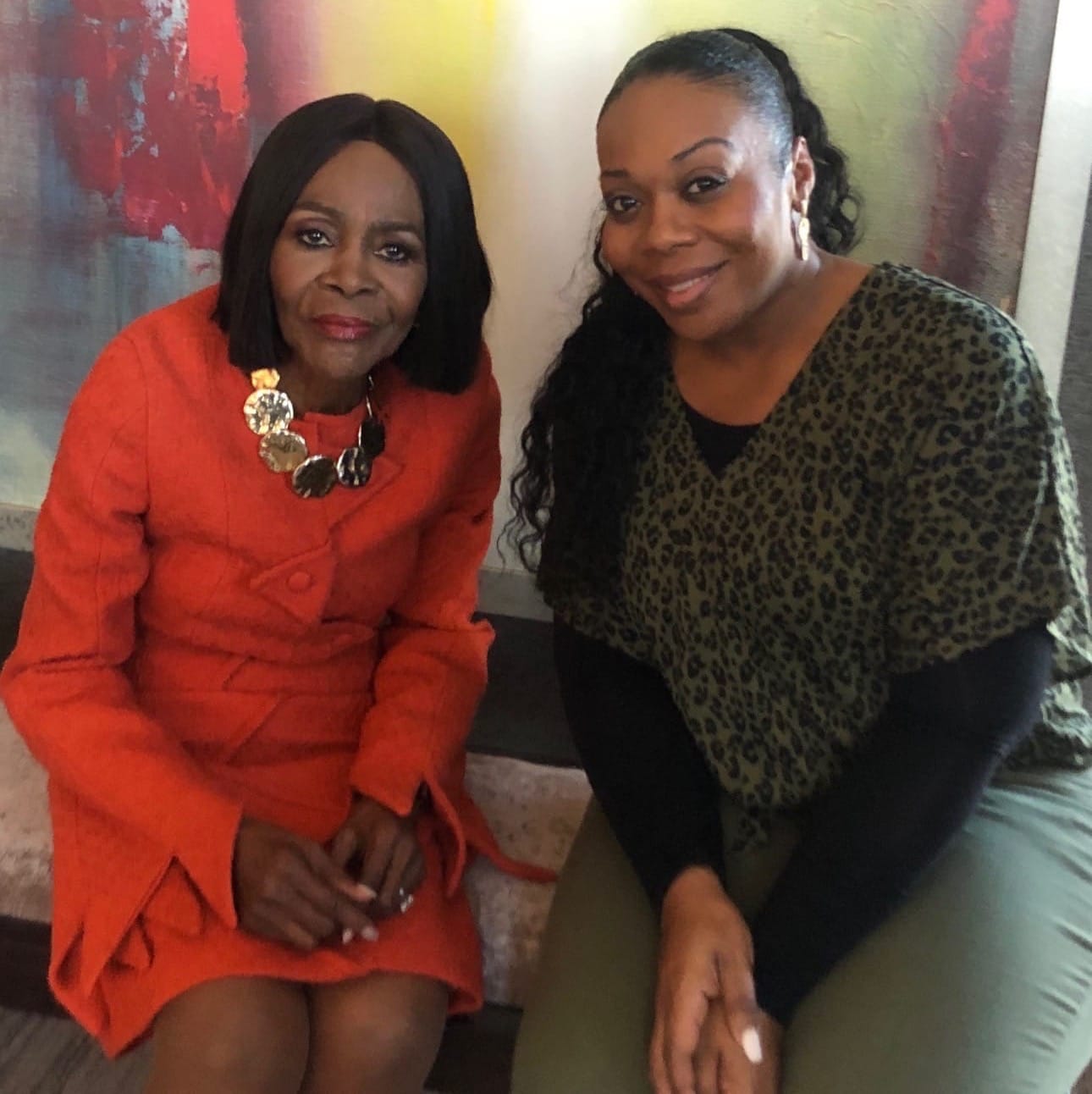
Cicely Tyson articulated what I had not yet fully named. She told me about watching her mother clean homes for white families and seeing white women sit comfortably in cars while their husbands deliberately splashed mud and sewage onto Black maids standing in the rain. She recalled the laughter, the silence, and the absence of advocacy, and she described how cruelty was normalized when it was not happening to them.
She also spoke about feminist movements that relied heavily on Black women’s labor, voices, and bodies to advance causes that did not always include us once progress was made. According to Ms. Tyson, Black women and white women had not historically shared the same goals, and pretending otherwise came with consequences that Black women were expected to absorb.
I left that interview shaken but not offended, challenged but not defensive. I was educated in a way that required unpacking, and at the time, I did not yet have the language to fully process what she had given me.
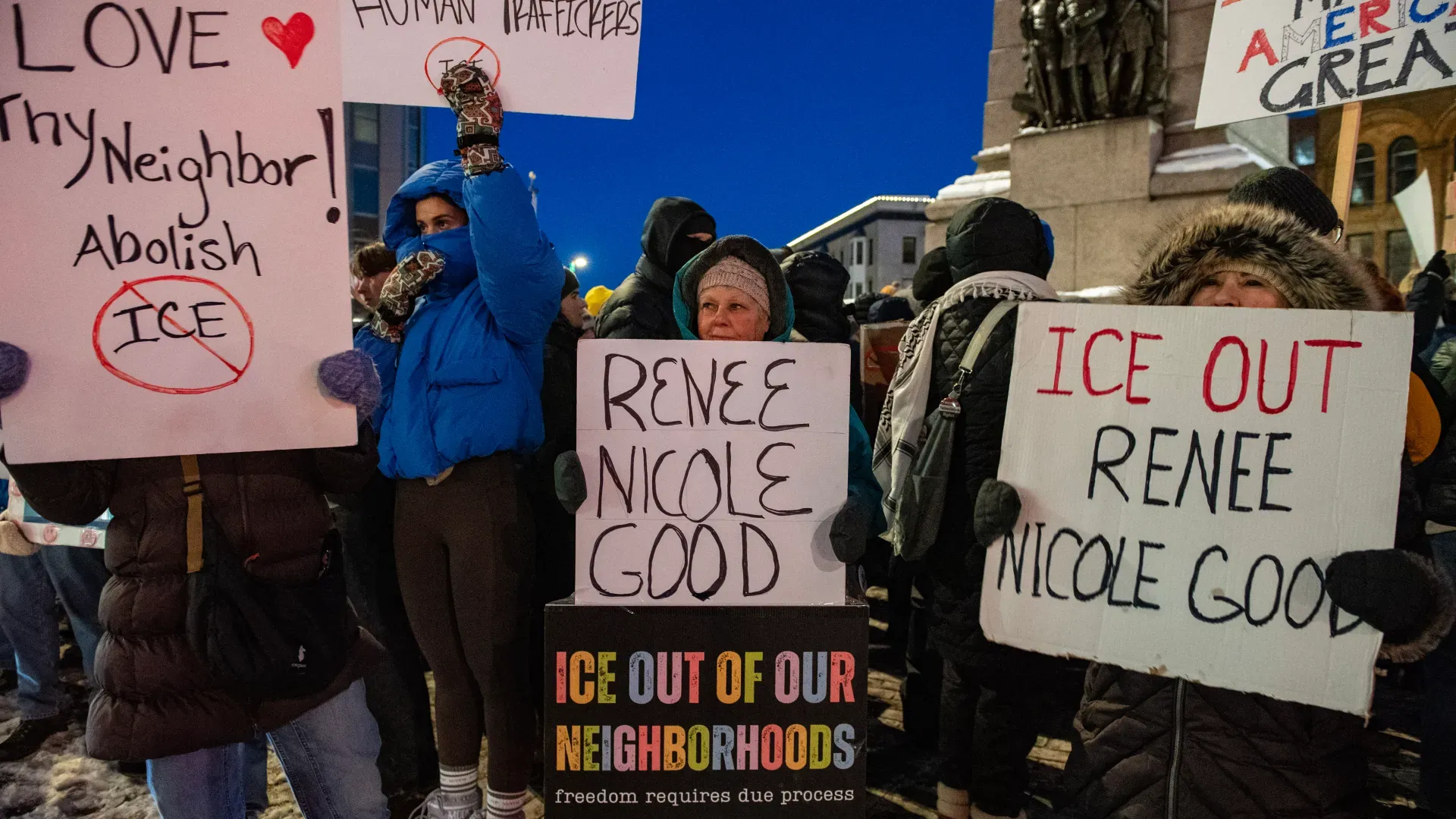
Six years later, her words returned to me with a clarity I did not have then. As my social media feeds filled with protests, outrage, and demands for solidarity surrounding immigration, ICE, and the current presidential administration, a friend sent me a meme that stopped me in my tracks. It was a Black woman stating what so many Black women have been saying since Kamala Harris lost the presidential race to Donald Trump: Black women are tired, and Black women are sitting down.
For the first time, many of us are choosing not to lead the charge, not to organize, and not to rescue democracy at our own expense. The exhaustion is not apathy but in the recognition that our labor is often expected, while our outcomes are negotiable.
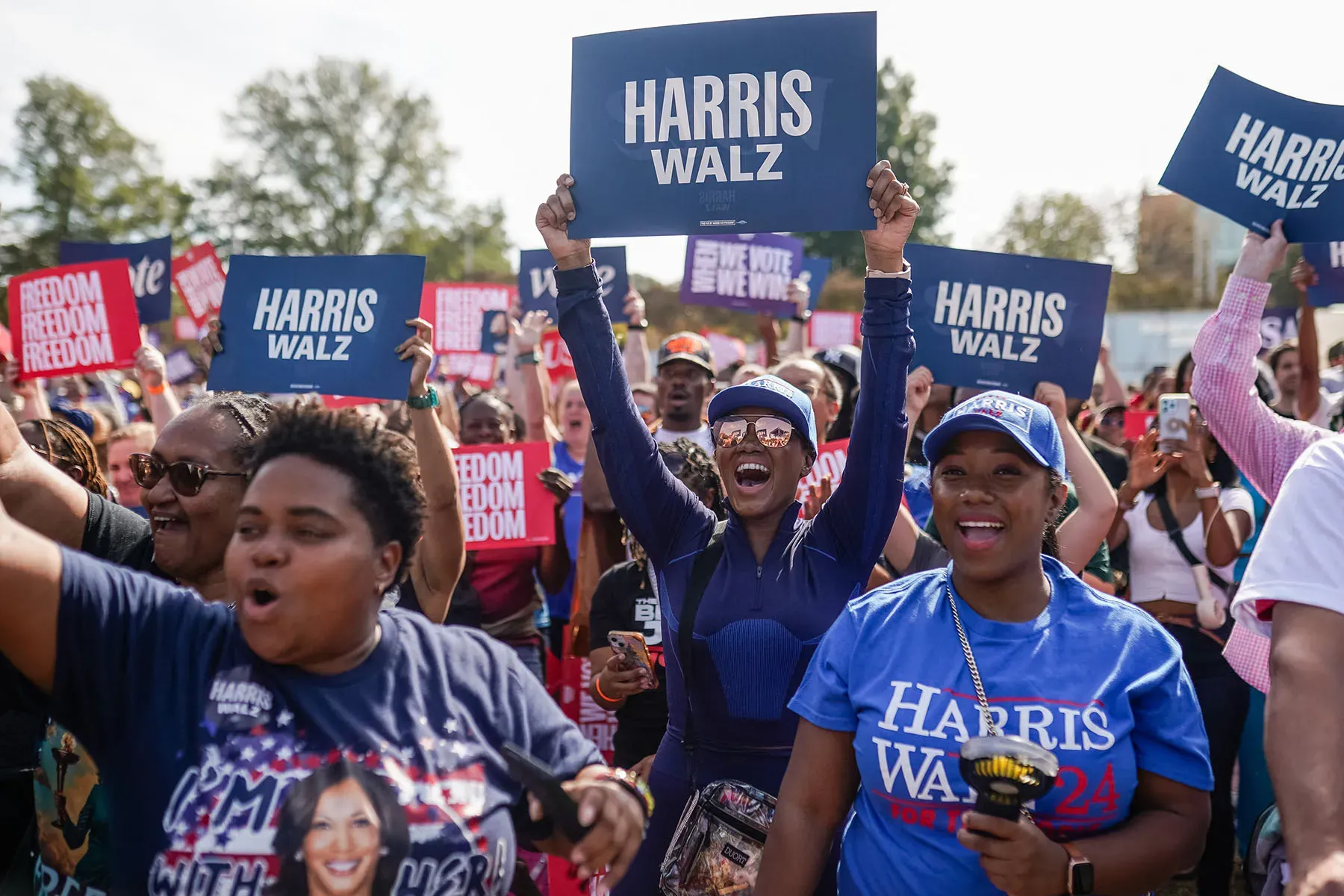
When President Biden announced he would not seek reelection, Black women mobilized almost instantly and began operating as a united faction. From their own bank accounts and households already stretched thin, they raised millions of dollars for Kamala Harris in record time. They organized calls, built infrastructure, and did what Black women have always done—showed up fully and without hesitation.
And still, millions decided that a woman of color was less qualified than a man whose record of sexism and racism was already well documented. Whether one agrees politically is beside the point. The truth remains that Black women’s labor, moral clarity, and emotional endurance are often welcomed only when they are useful.
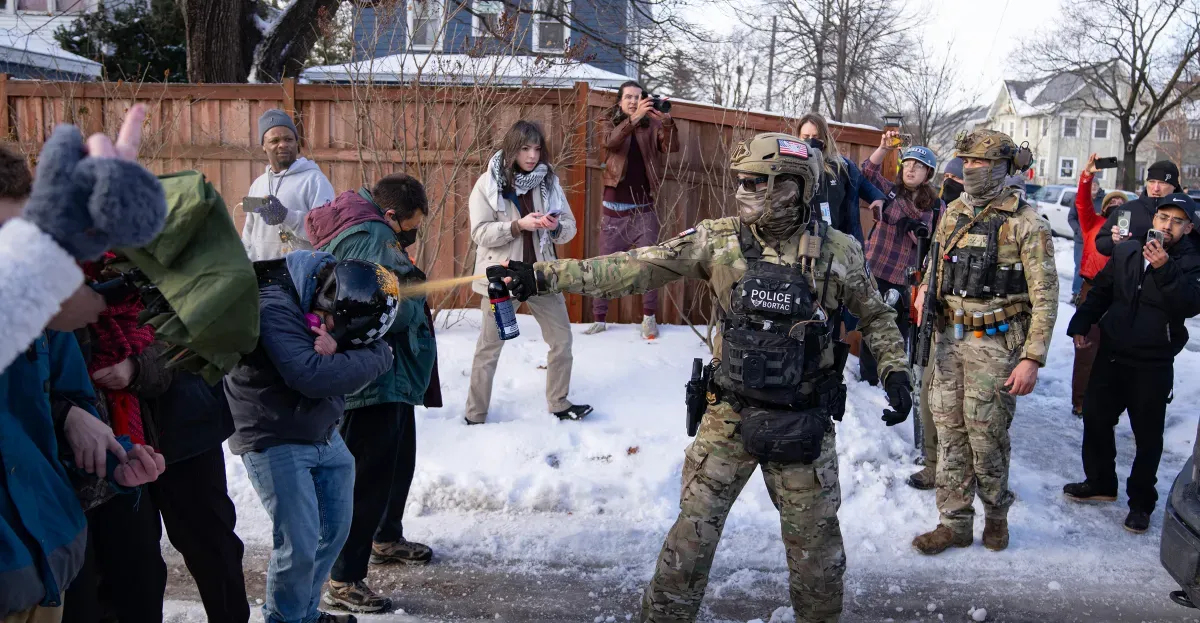
What hurts us does not always hurt others, and when it finally does, we are expected to rush in with the same urgency we bring to our own survival. As I write this the enormity of her words come back to me as the current administration has given free rein to ICE agents to terrorize neighborhoods across the country. Two weeks ago, a white woman was unalived publicly during a protest and just last week a white man was gunned down mercilessly in-front of a crowd, after he was unarmed. Cicely Tyson was not forecasting apathy in that interview. She was modeling discernment, the kind that comes from understanding history rather than reacting to the moment.
She understood that there are times when preservation must come before participation, that allyship without alignment is extraction, and that constantly pouring into causes that do not pour back is not noble. It is unsustainable.
Cicely Tyson’s perspective reflected coming of age in Hollywood at a time when she was fighting racial and gender discrimination simultaneously, and often economic exclusion as well, while many white women in cinema were insulated from the full weight of those barriers. Even as those same women applauded her brilliance, Tyson and her Black female peers were routinely confined to fictionalized versions of the very labor their mothers performed in real life—housekeepers, maids, and domestic figures—roles that reflected America’s comfort with Black women’s service, but not its discomfort with Black women’s power.
I hate oppression, I hate injustice, and I hate the loss of life anywhere in the world. None of this comes from indifference, and all of it comes from clarity earned through experience. America has taught Black women, repeatedly, that our needs are often last, our pain is negotiable, and our resilience is assumed.
At some point, wisdom demands that we focus on our own communities first—not because we do not care, but because we must survive. If our goals align, we can walk together, and if our futures are intertwined, we can build together. But until that alignment is real and reciprocal, perhaps the most radical lesson Cicely Tyson offered me that day—during a film titled A Fall from Grace—is that sometimes stepping back is not abandonment.
It is discernment, and sometimes it is the only way to ensure that we do not fall from grace ourselves.