Understanding Pulmonary Embolism: A Silent Threat in the African American Community

– 5 min read



Pulmonary embolism (PE) is a condition that has quietly claimed countless lives, often without warning. The recent passing of Beat King, the renowned producer from Houston, Texas, has brought this dangerous condition into the spotlight, particularly within the African American community. His untimely death is a sobering reminder of the importance of understanding and addressing the risks associated with pulmonary embolism.

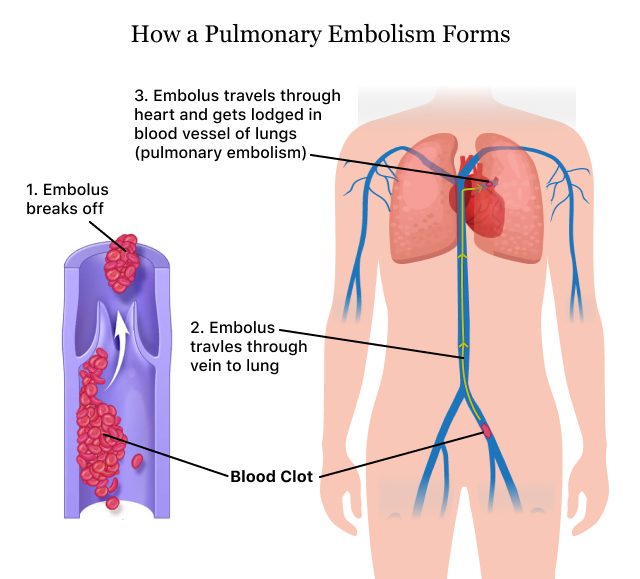
Pulmonary embolism occurs when a blood clot, usually from the deep veins in the legs (a condition known as deep vein thrombosis or DVT), travels to the lungs and blocks a blood vessel. This blockage can prevent blood from reaching the lungs, leading to a decrease in oxygen levels and potentially fatal consequences. PE can develop suddenly and without warning, making it a particularly insidious threat.
Pulmonary embolism is a significant health concern for the African American community, where awareness and preventive measures are often lacking. Factors such as genetics, socioeconomic status, and access to healthcare contribute to a higher risk of developing conditions like PE. Additionally, African Americans are more likely to have underlying health conditions like hypertension, diabetes, and obesity, which further increase the risk of blood clots.
Beat King's death has brought attention to the need for greater awareness and proactive healthcare measures within the community. His contributions to the music industry were significant, but his passing is a reminder that health should never be taken for granted, even for those at the peak of their careers.
One of the challenges of pulmonary embolism is that its symptoms can be subtle or mistaken for other conditions. However, there are several warning signs to be aware of:
If you or someone you know experiences these symptoms, particularly in combination, it is crucial to seek medical attention immediately.
While pulmonary embolism can be deadly, it is also preventable. Here are some strategies to reduce the risk:
Addressing the risks of pulmonary embolism requires a community-focused approach to healthcare. Access to quality healthcare services, regular check-ups, and education on recognizing symptoms are critical in preventing unnecessary deaths. Organizations dedicated to improving healthcare outcomes in the African American community must prioritize awareness campaigns and support systems to help individuals take control of their health.
Beat King's legacy in the music world will not be forgotten, but his untimely death highlights a broader issue that needs urgent attention. By raising awareness and promoting preventive measures, we can work towards a future where conditions like pulmonary embolism are no longer a silent killer in our communities.
For those seeking more detailed information on pulmonary embolism, it's important to access resources tailored specifically to the African American community. Here are some key sources and organizations that provide valuable information and support:
The American Heart Association offers extensive resources on pulmonary embolism, including information on symptoms, risk factors, and prevention strategies. The AHA also addresses the unique challenges faced by the African American community, such as higher rates of hypertension and diabetes, which are significant risk factors for PE. Visit their website for educational materials, support groups, and access to healthcare professionals.
Website: www.heart.org
The CDC’s Office of Minority Health provides resources specifically designed for the African American community, including information on cardiovascular diseases like pulmonary embolism. Their resources focus on prevention, early detection, and management of risk factors. The CDC also offers tools and initiatives aimed at reducing health disparities.
Website: www.cdc.gov/minorityhealth
The ABC is a non-profit organization dedicated to eliminating disparities in cardiovascular diseases. They offer a wealth of information on pulmonary embolism, including educational materials, webinars, and community outreach programs. The ABC’s focus on culturally relevant healthcare makes it a vital resource for African Americans seeking to better understand and prevent PE.
Website: www.abcardio.org
The NMA is the largest and oldest national organization representing African American physicians and their patients. They provide resources on pulmonary embolism, focusing on the importance of early diagnosis and treatment within the African American community. The NMA also advocates for improved access to healthcare and offers a directory of African American healthcare providers.
Website: www.nmanet.org
BlackDoctor.org is a leading health and wellness website focused on African American health issues. The platform offers comprehensive information on pulmonary embolism, including articles, videos, and expert advice. The website also features a section dedicated to heart and vascular health, providing tips on prevention and management.
Website: www.blackdoctor.org
The NBCA provides information specifically about blood clots, including pulmonary embolism. Their resources include patient stories, educational materials, and a focus on at-risk populations, including African Americans. The NBCA also offers guidance on recognizing the signs of blood clots and how to reduce the risk.
Website: www.stoptheclot.org
Many local health centers and clinics provide resources and screenings for conditions like pulmonary embolism. These centers often offer culturally sensitive care and may have specific programs aimed at reducing health disparities in African American communities. Checking with local health departments or community clinics can be a valuable first step in accessing care and information.
By utilizing these resources, individuals in the African American community can gain a better understanding of pulmonary embolism, learn how to reduce their risk, and take proactive steps towards better health outcomes.