Mike Will Made-It vs. Hit-Boy: Verzuz, Legacy, and the Weight of a Catalog

– 3 min read


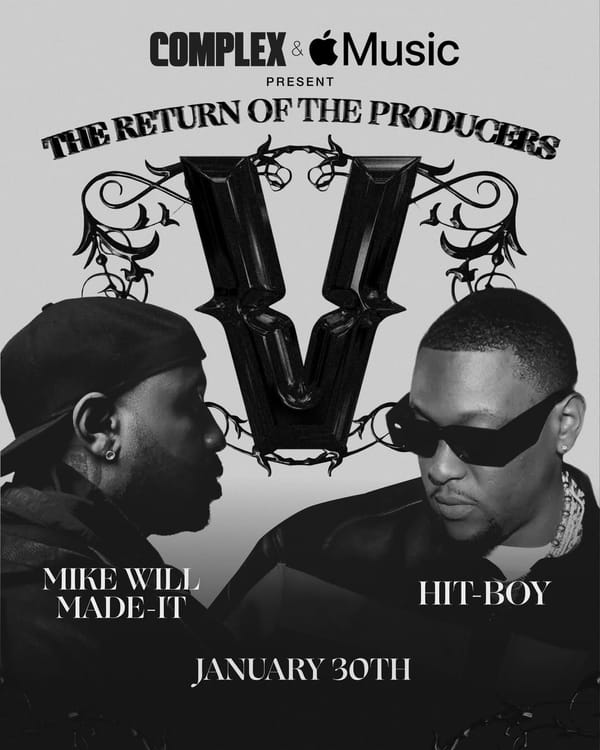
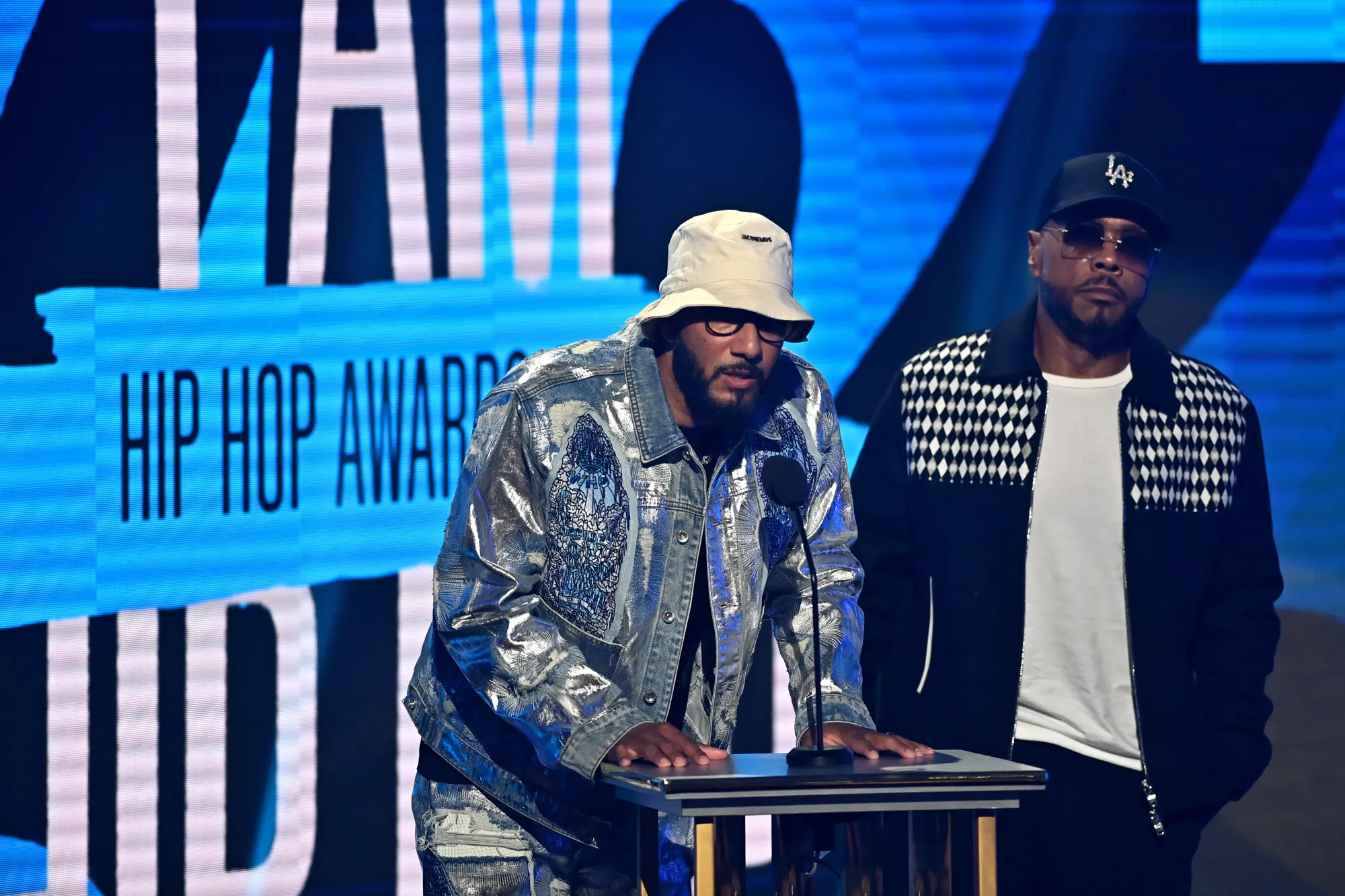
The latest Verzuz wasn’t just a producer battle—it was a masterclass in modern hip-hop history. Squaring off were two of the most influential architects of the last 15 years: Mike Will Made-It and Hit-Boy. Before the first record dropped, Verzuz founders Swizz Beatz and Timbaland set the tone, reminding viewers that Verzuz remains one of hip-hop’s most important living archives.
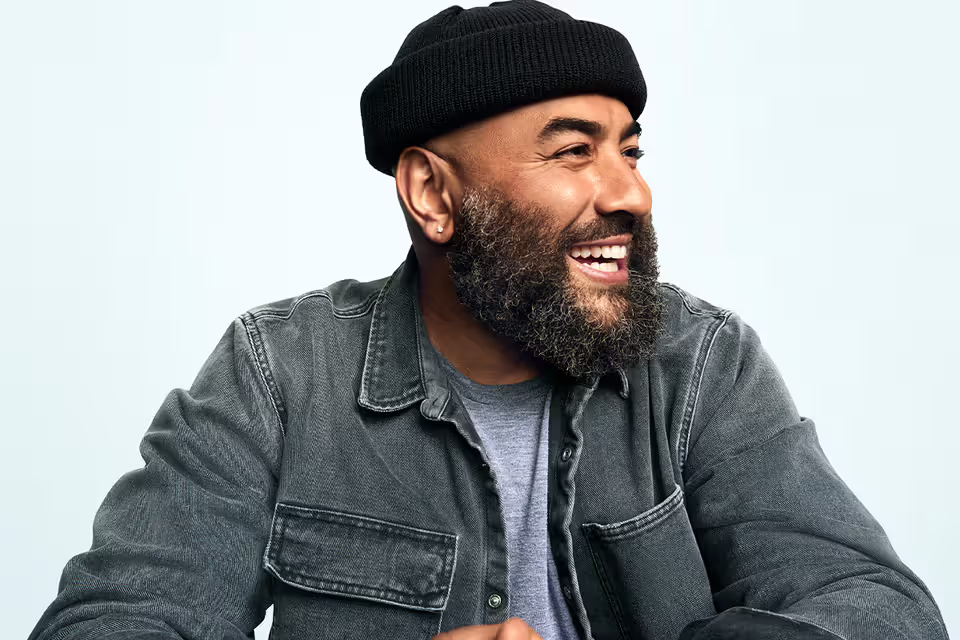
With Apple Music’s pre- and post-show coverage hosted by Ebro Darden, Big Boy, and additional hosts, the night was framed not just as entertainment—but as cultural documentation.
While the battle itself leaned conversational and celebratory, once the music spoke, it became clear: both producers brought the heat, but Mike Will Made-It controlled the room.
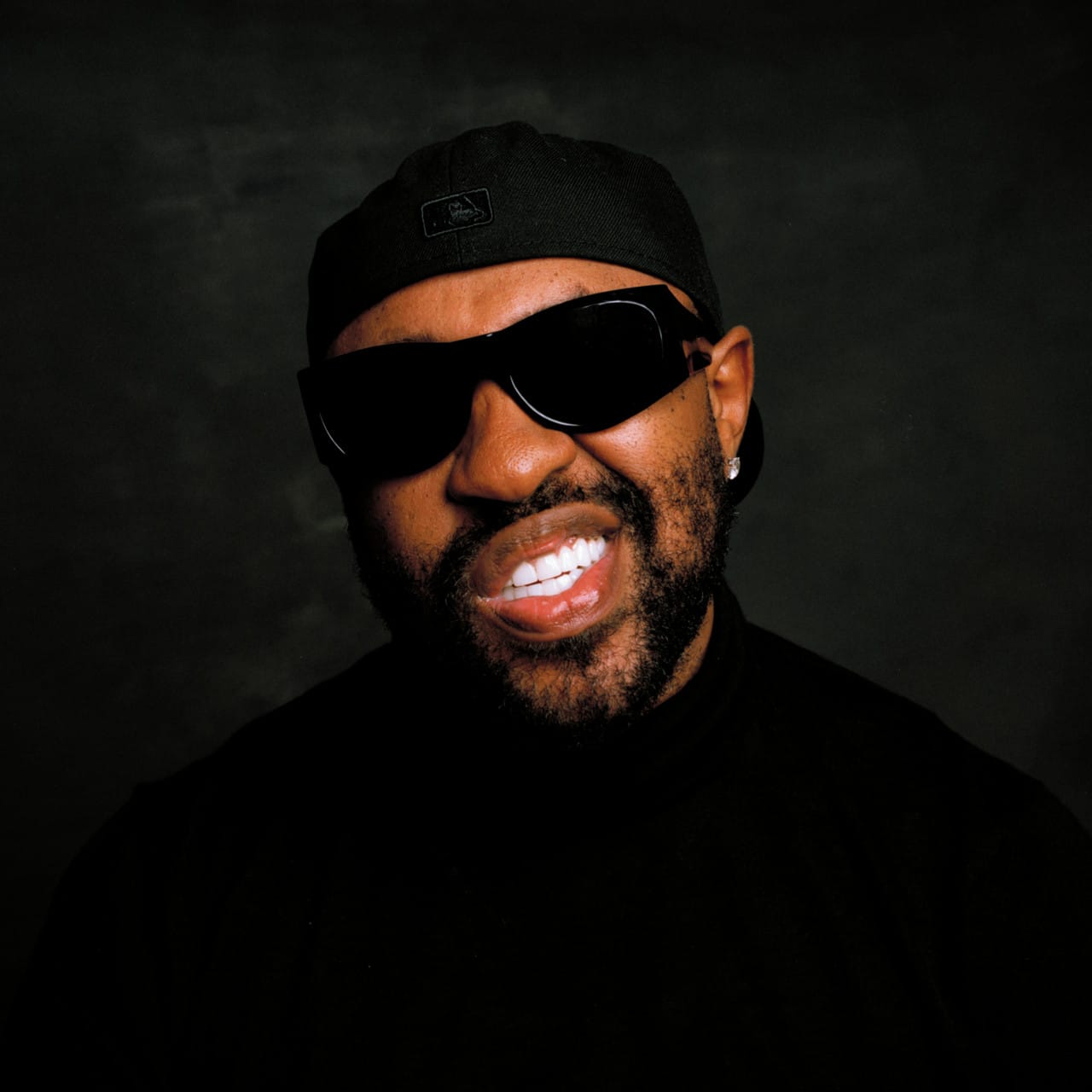
Mike Will Made-It’s run is defined by impact at scale. Since breaking through in the early 2010s, he has been responsible for a staggering number of chart-topping records that blurred the line between underground energy and pop dominance.
He has produced dozens of Billboard Hot 100 hits, including multiple No. 1 records, with credits contributing to billions of global streams. His sound defined an era where club records, radio hits, and viral moments collided.
His collaborator list reads like a decade-long snapshot of mainstream hip-hop and pop: Future, Drake, Rihanna, Miley Cyrus, Kendrick Lamar, Gucci Mane, and many others. Beyond the charts, Mike Will helped launch and elevate careers—most notably with Rae Sremmurd, whose run of hit records became synonymous with youth culture and festival energy.
His work has earned multiple Grammy nominations, BET Awards recognition, and consistent placement on year-end “Producer of the Year” lists. At Verzuz, that legacy translated into momentum—records that didn’t just remind people of hits, but of entire eras.

Hit-Boy represents precision and longevity. Few producers have successfully bridged early-2010s chart dominance with late-career critical acclaim the way he has.
A Grammy Award winner, Hit-Boy is best known in recent years for his acclaimed multi-album run with Nas—projects that redefined what late-career excellence looks like in hip-hop and earned multiple Grammy wins and nominations. That body of work placed him firmly in producer-as-auteur territory.
His chart résumé is equally formidable, with No. 1 records and platinum singles for Jay-Z, Kanye West, Beyoncé, Big Sean, Travis Scott, and others. What separates Hit-Boy is his adaptability—moving seamlessly between stadium-sized anthems and stripped-down, soul-driven production.
His catalog reflects not just success, but evolution, earning respect across generations of artists and fans alike.
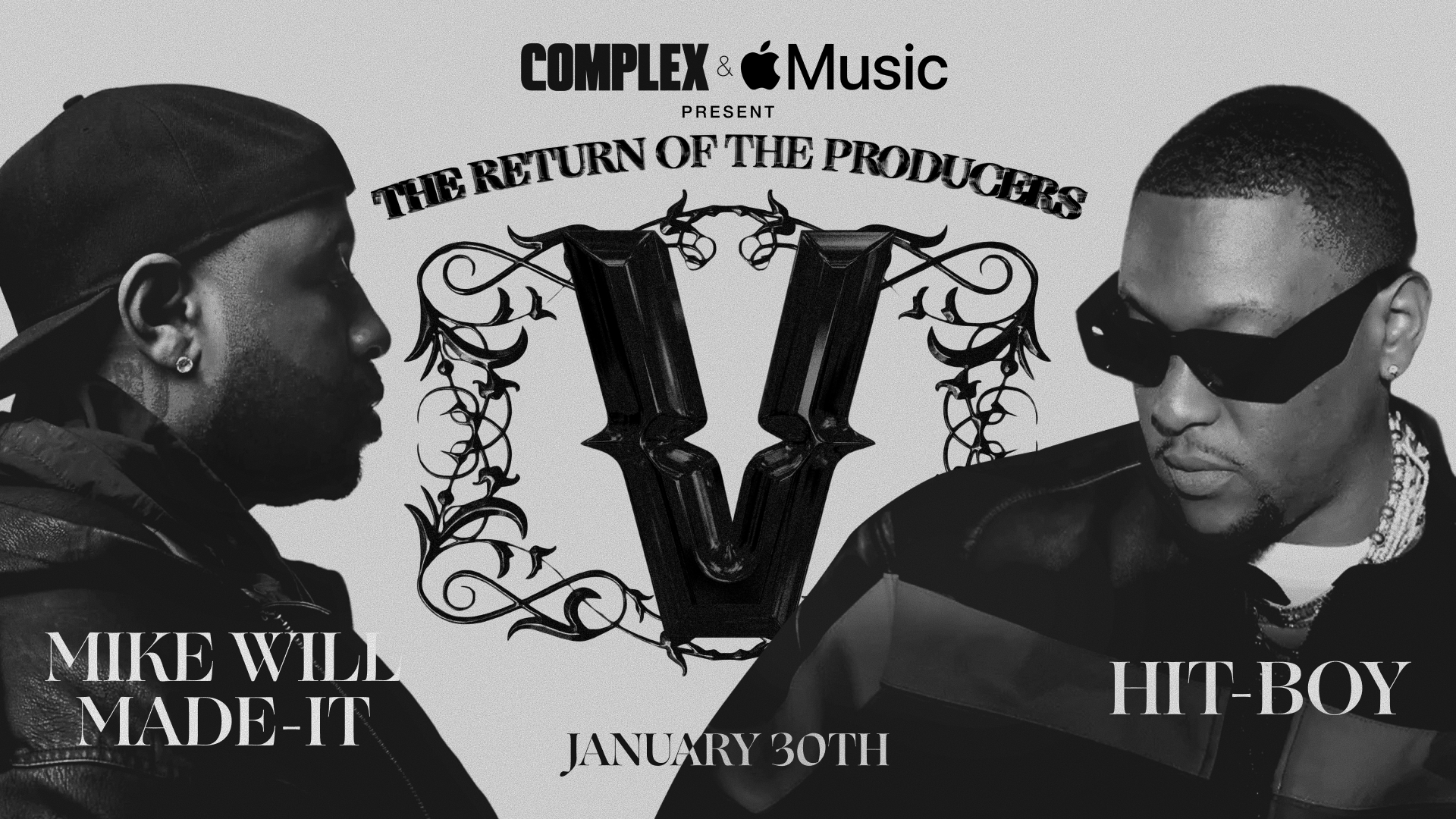
This Verzuz was bigger than a winner or a scorecard. It was a reminder that producers are not background figures—they are architects of memory, mood, and movement. Watching Mike Will Made-It and Hit-Boy trade records wasn’t about ego; it was about lineage.
The presence of Rae Sremmurd, Big Sean, and Juicy J reinforced how deeply these producers’ fingerprints are embedded in careers and cultural moments. This wasn’t nostalgia—it was context.
More importantly, Verzuz once again proved its value as a cultural institution. With Swizz Beatz and Timbaland present, the platform reaffirmed its mission: to document hip-hop history in real time, through the voices of the people who built it.
In that sense, the night wasn’t about who won. It was about recognition—honoring producers as culture shapers and reminding the industry that behind every era-defining record is someone who understood the moment before the world caught up.