Jill Scott and the Art of Loving On Ourselves, Each Other, and the Music

– 3 min read


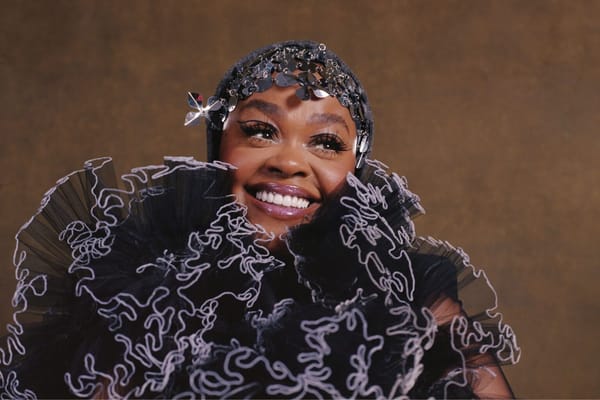
From the moment her voice first poured through speakers at the turn of the millennium, Jill didn’t just sing to Black women—she sang with us, for us, and often about us in ways that felt intimate, affirming, and deeply personal.
Jill Scott is one of those rare artists who captures the essence of Black womanhood without flattening it. She honors our complexity. Our tenderness. Our sensuality. Our strength. She encourages Black women to love and cherish ourselves—and just as importantly, to love and cherish one another. Her music has long served as a gentle but firm reminder that softness is not weakness, that self-respect is sacred, and that joy is an act of resistance.
Equally important, Jill has always been unapologetic about loving in Black men—and about holding space for Black men to love us well in return. Her songs don’t shy away from desire, devotion, or vulnerability. Instead, they elevate them. She reminds Black men how they should adore, protect, and yes, worship Black women—not as an ego boost, but as a return to balance, reverence, and mutual care. In Jill Scott’s musical universe, love is Black, expansive, and deeply rooted in emotional responsibility.
So it feels poetically right that her long-awaited return arrives wrapped in the language of love.
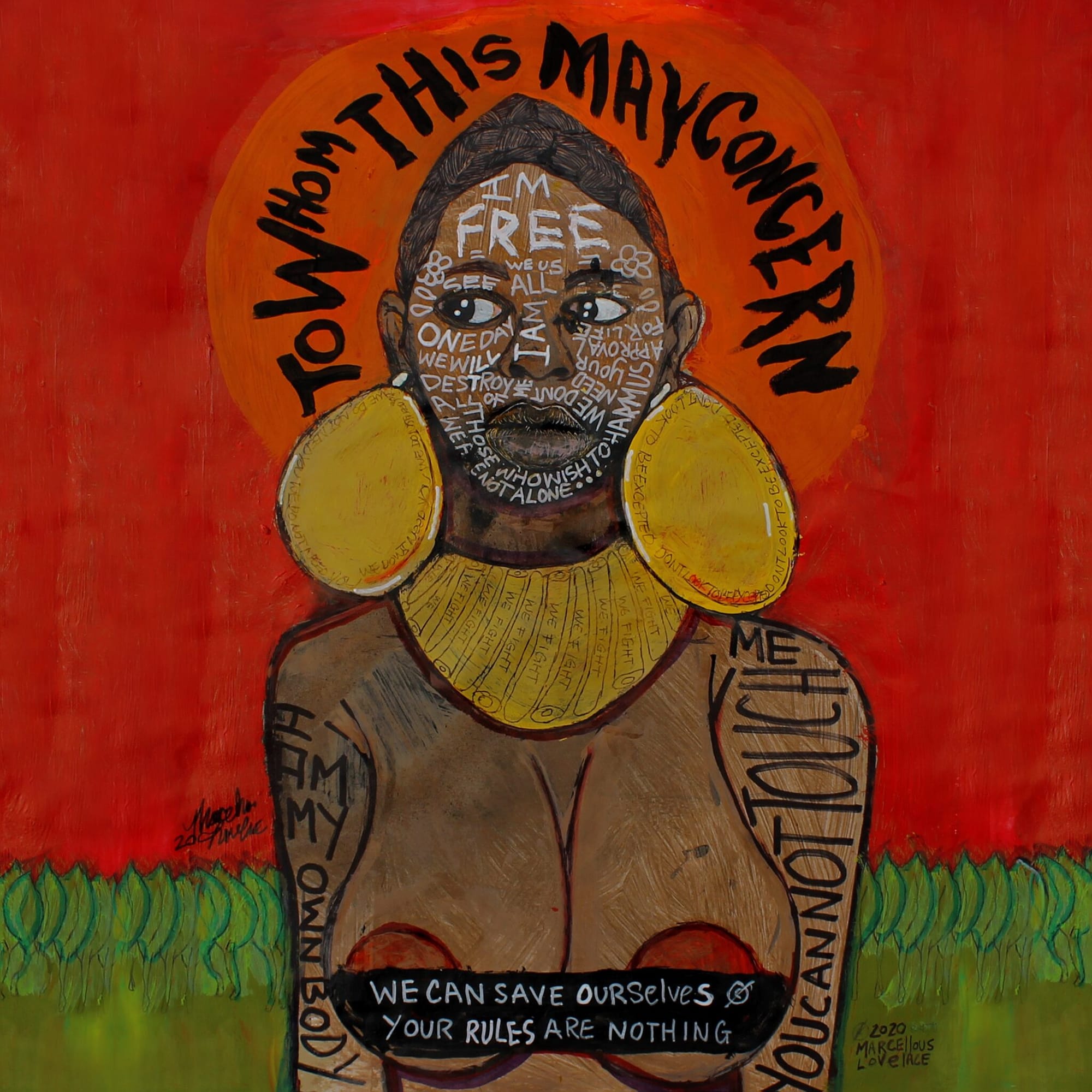
On February 13, 2026—just in time for Valentine’s Day—Jill Scott releases her first studio album in over a decade, To Whom This May Concern. The timing is no accident. Love, after all, has always been her through-line—not the Hallmark version, but the lived-in kind. The kind that requires accountability. The kind that remembers community. The kind that asks us to look inward before pointing outward.
The album follows 2015’s Woman and marks a soulful return that longtime fans have been craving. Featuring collaborators like Ab-Soul, J.I.D., and Tierra Whack, the project bridges generations without chasing trends. Production from DJ Premier and Adam Blackstone grounds the album in warmth, intention, and musicality—hallmarks of Jill’s artistry. The lead single, “Beautiful People,” already sets the tone: reflective, affirming, and rooted in collective healing.
This isn’t an album about proving relevance. Jill Scott has nothing to prove. It’s an album about presence.
Part of what has always made Jill so magnetic—so desired—is that she has never conformed to narrow industry standards of beauty. She is not a size 2 supermodel molded for mass consumption. She is a grown Black woman with curves, confidence, and a commanding sense of self. And yet, she remains one of the most desired women in music—not despite her body, but because she inhabits it fully. Jill Scott’s desirability comes from comfort in her skin, from sensuality that feels earned rather than manufactured, from knowing who she is and daring anyone else to argue.
That authenticity has extended beyond music and into her acting career, most notably in Why Did I Get Married?. Recently, Jill spoke candidly about one of the most uncomfortable moments of her career while working under Tyler Perry’s direction. During a scene in which background actors were encouraged to ridicule her character, Sheila, because of her size, Jill found herself emotionally shaken. She later admitted that she couldn’t separate Sheila’s pain from her own—that the moment tapped into something deeply personal and left her feeling embarrassed and exposed.
It was a rare and vulnerable admission, and one that resonated with many women who have learned to laugh off cruelty while quietly absorbing it. Jill’s honesty reminded audiences that even the most confident among us carry scars—and that representation, when handled carelessly, can cut deeper than intended.
Still, the love for Sheila—and for Jill—has never waned. Audiences continue to hold out hope that she will reprise the role in the anticipated third installment of the Why Did I Get Married franchise. Because Sheila, like Jill herself, was never just comic relief. She was truth-telling embodied. She was the woman whose pain was visible—and therefore impossible to ignore. That visibility has always been Jill Scott’s quiet revolution.
With To Whom This May Concern, Jill isn’t just releasing music. She’s offering a reminder. A reminder that Black women are worthy of love in all its forms. That community still matters. That tenderness is timeless. And that loving loudly—especially in Black—is still one of the most radical things we can do.
Just in time for Valentine’s Day, Jill Scott returns not with spectacle, but with substance. And once again, she makes room for us to feel seen.