By Any Means Reminds Us That Fairness Has Never Been America’s Operating System

– 6 min read





When I first saw the trailer for By Any Means, I knew I was going to see it. Before I knew the full story or recognized every actor, the title had already pulled me in. “By any means necessary” is one of the mantras I have carried with me for most of my life. I remember reading The Autobiography of Malcolm X in high school and adopting that phrase because, even then, I understood that I had to become successful and escape the place I was in by any means necessary. For me, the phrase never represented recklessness or violence. It meant determination, survival and refusing to allow my circumstances to determine the rest of my life.
Until I saw the trailer, I did not know the story of Vernon Dahmer, and that realization alone made the film worth seeing. Dahmer was a successful Mississippi businessman, farmer and civil rights leader who served as president of the Forrest County NAACP chapter. He helped Black citizens register to vote and publicly offered to pay the poll tax for anyone who could not afford it. On January 10, 1966, members of the Ku Klux Klan firebombed his home. Dahmer fought back long enough for his wife and children to escape, but he died from his injuries the following day. His life represents the kind of courage America loves to celebrate in hindsight while too often overlooking the systems that made such courage necessary.
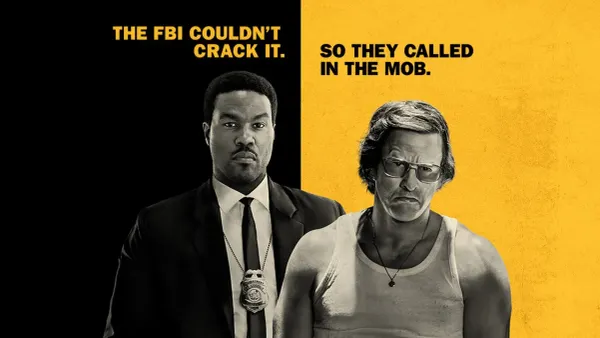
That history provides the foundation for By Any Means, which stars Yahya Abdul-Mateen II as Wayne Strider, a fictional composite of Black FBI agents, and Mark Wahlberg as Gregory Scarpa, a real-life Mafia hitman and FBI informant. Giancarlo Esposito plays Vernon Dahmer with the quiet strength and emotional gravity we have come to expect from him. Nicole Beharie is equally compelling as Strider’s wife, bringing warmth and stability to a story filled with hatred, danger and uncertainty. Abdul-Mateen, however, is the emotional center of the film. He gives Strider a sense of discipline, pride and frustration that feels familiar to every Black person who has ever tried to do everything correctly inside a system that was never designed to treat them fairly.
I also wanted to be fair in my response to the film, especially after learning that members of the Dahmer family have publicly opposed it. Vernon Dahmer’s son Dennis has described the movie as largely fictional and criticized it for minimizing his father’s work while creating what the family sees as a white-savior narrative around Scarpa. The family has also objected to seeing their personal tragedy used in a film that does not clearly distinguish documented history from dramatic invention. Those concerns deserve to be heard. This was not simply a historical event waiting to be interpreted by Hollywood. It was the murder of their husband, father and family patriarch. The family has called for a stronger disclaimer and greater accountability from the filmmakers.

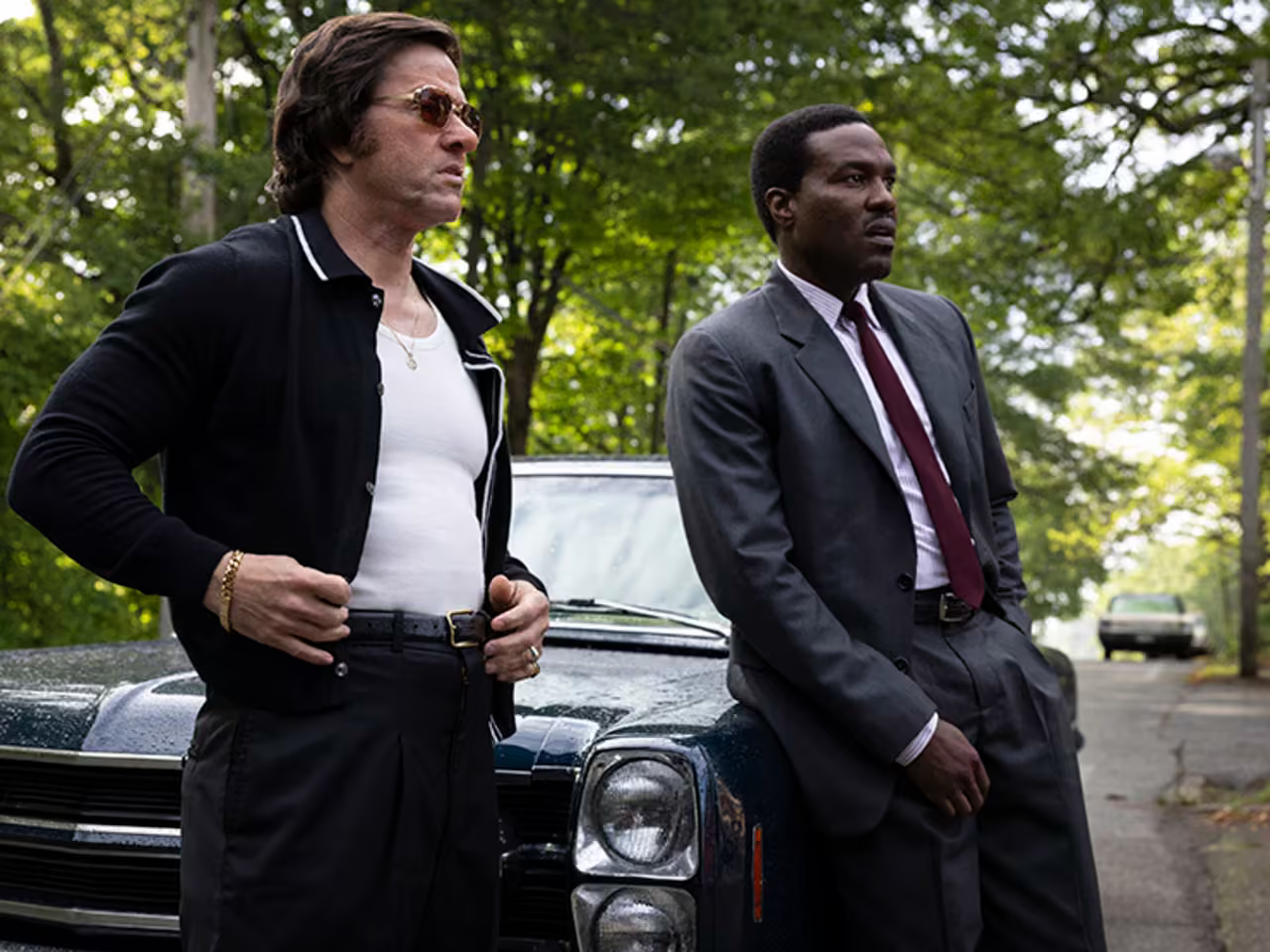
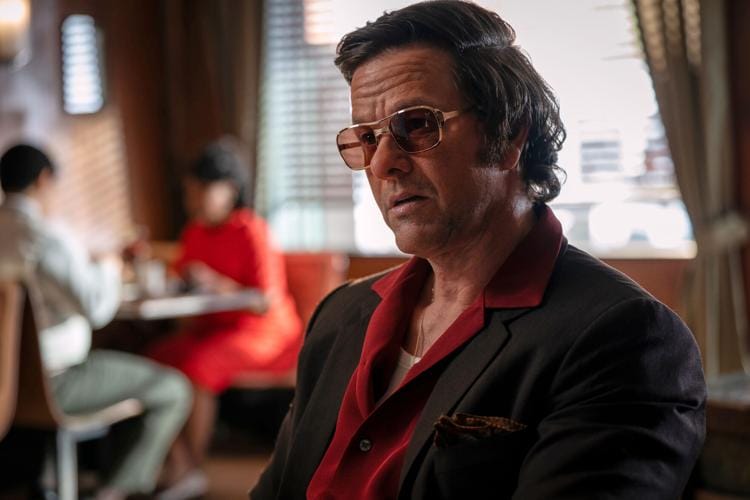
After watching the movie, though, I did not feel that Gregory Scarpa was glorified. I certainly did not find his brutality entertaining. Wahlberg’s character is never presented as someone who develops a genuine concern for Black people or suddenly becomes invested in the fight for civil rights. He uses a racial slur toward Strider, shows little empathy for what Black Mississippians are enduring and makes it clear that he is there because he has been paid to complete a job. He is a criminal who is accustomed to hurting and killing people to get what he wants, and the federal government chooses to use him because officials want results without getting their own hands dirty.
That choice exposes one of the deepest contradictions within the government’s response to the civil rights movement. The federal government knew what white Americans were doing to Black citizens in Mississippi. It knew that people were being terrorized, beaten and murdered for attempting to exercise rights that supposedly belonged to every American. Yet instead of confronting that violence honestly and publicly, the government allegedly brought in a criminal from another marginalized immigrant community to handle its dirty work behind the scenes. At one point, Scarpa explains that members of his own family do not have papers and are therefore not considered Americans. The contradiction is hard to miss. The government is willing to use people whose presence it does not fully recognize, including men actively involved in crime, when their methods become useful to the people in power.
That did not make Scarpa a hero to me. It made the government look corrupt. It showed an institution willing to operate outside the rules whenever those rules became inconvenient while continuing to demand patience, obedience and restraint from the Black citizens it had repeatedly failed to protect. Scarpa was useful because he could do what government officials did not want connected to their own hands. His character does not represent America’s moral awakening. He represents the uncomfortable reality that this country has often relied on questionable people and secret methods to address injustices it publicly claimed not to tolerate.
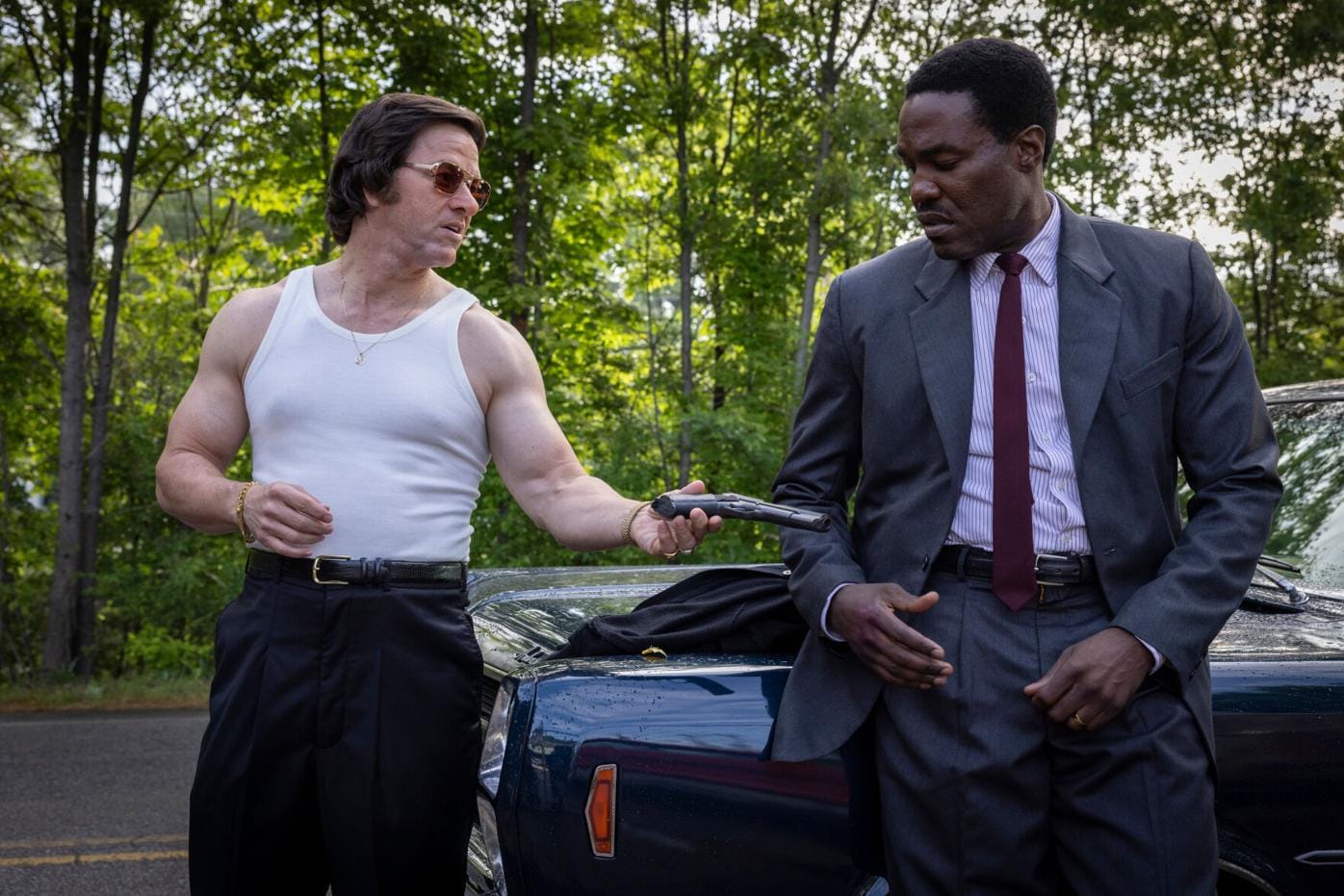
One early scene captures the moral conflict at the heart of the film. Scarpa and Strider are stopped by a racist police officer who refuses to believe that Strider is an FBI agent. Strider attempts to control the situation and operate within the law, even as the officer threatens his life. Scarpa responds with deadly force. Strider then pulls his own weapon on Scarpa because, despite what the officer has just done to him, he still feels obligated to uphold the law. He is trying to protect the integrity of a system that has refused to protect him. That moment stayed with me because it illustrates the impossible position Black Americans have occupied for generations. We are expected to remain calm, follow every rule and demonstrate extraordinary restraint while dealing with people who have already decided that our lives, rights and dignity are negotiable.
Watching those scenes in 2026 was unsettling because so much of the rhetoric does not feel confined to 1966. We continue to hear calls to return America to some supposedly greater time, with very little acknowledgment of who was excluded from that greatness. We hear political leaders celebrate “traditional American values” without honestly confronting the fact that those traditions did not provide equal rights, equal protection or equal opportunity to everyone. The language may be more polished today and the messengers may have social media, cable news and national political platforms, but the underlying message remains familiar. There are people who want to restore an America that worked beautifully for them precisely because it was never required to work for everyone else.
By Any Means forced me to confront an uncomfortable truth. Fairness has never been America’s operating system. Black people have repeatedly been told to trust the process, respect the institutions and wait patiently for justice, even when those institutions were participating in or turning a blind eye to our oppression. The government’s alleged use of Scarpa only reinforces that point. When officials needed information and wanted results, they were willing to step outside their own respectable boundaries. Yet Black people have often been judged harshly for using every legal, political, economic and cultural tool available to protect ourselves and advance our communities.
I am not suggesting that we embrace violence or abandon our values. I am saying that we have to stop assuming everyone else is committed to the same fairness we are trying so desperately to practice. We can organize, vote, build economic power, tell our own stories, protect our families and challenge institutions that demand our cooperation without offering us protection. We can remain rooted in our humanity while also being honest about the world in which we live. There is a difference between having principles and allowing those principles to be used against us.
That is what By Any Means left me thinking about long after the credits rolled. The film is imperfect, and the Dahmer family is justified in demanding that Vernon Dahmer’s full legacy remain at the center of any story built upon his life and sacrifice. Still, the movie succeeds in making history feel painfully present. It reminds us that people committed to injustice are rarely persuaded by our commitment to fairness alone.
That realization can feel discouraging, especially when we recognize how often the same ideas return wearing different language. But I also believe that knowing the truth gives us an opportunity to move differently. When we know better, we do better. We become more thoughtful about where we place our trust, more determined to protect what belongs to us and more committed to building power within our own communities. We refuse to surrender our futures to rules that have never been applied equally. We continue moving forward with wisdom, courage and the determination to do what survival, progress and freedom require, by any means necessary.