Angola Under Review: Prison Labor, Conditions of Confinement, and the Case of Corey Miller

– 4 min read


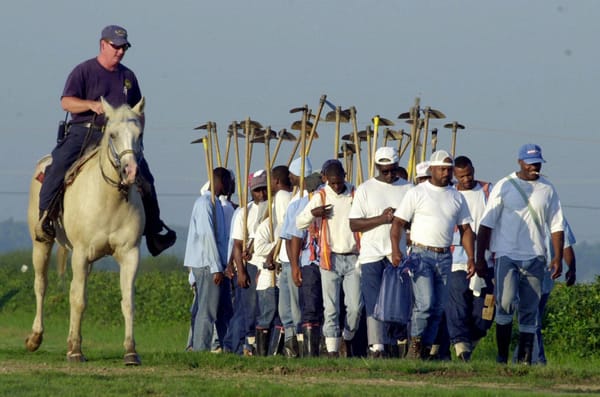
A federal class action lawsuit challenging forced agricultural labor at Louisiana State Penitentiary (Angola) is drawing renewed scrutiny to the conditions inside the nation’s largest maximum-security prison. As the case advances, it intersects with the ongoing incarceration of Corey Miller, whose experience at Angola has been shaped by the same labor practices and environmental conditions now under constitutional review.
While the lawsuit and Miller’s conviction are legally distinct, both raise overlapping questions about how incarcerated people are treated once inside Angola — particularly with regard to compulsory labor, medical accommodation, and punitive confinement.
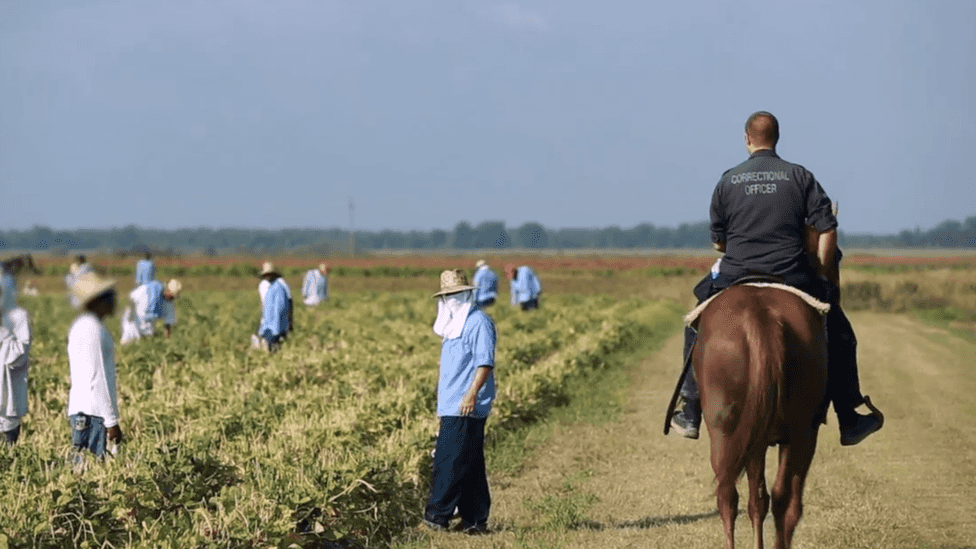
In January 2026, a federal judge certified a class action lawsuit brought by incarcerated individuals challenging Angola’s long-standing practice of assigning prisoners to agricultural field labor, commonly known as the “farm line.” The plaintiffs allege that the work assignments, often performed outdoors in extreme heat, expose incarcerated people to serious health risks and may violate the Eighth Amendment’s prohibition against cruel and unusual punishment, as well as federal disability law.
The court found that nearly all individuals incarcerated at Angola are subject to farm line assignment if deemed physically able, making the claims suitable for class treatment. A subclass was also certified for incarcerated people with disabilities who allege they were assigned to labor without adequate accommodation.
Documentary produced by PJI, Plantations and Prisons: A History of Forced Labor in Louisiana.
Among the legal organizations involved in litigating the case is The Promise of Justice Initiative, a New Orleans–based nonprofit known for its work on prison conditions, excessive sentencing, and wrongful convictions. Attorneys affiliated with the organization are part of the legal team examining whether Angola’s labor practices meet constitutional standards.
The lawsuit remains pending and does not yet determine liability. However, it has brought renewed attention to Angola’s operational practices and the broader conditions inside the facility.

Corey Miller is currently housed at Angola and remains subject to the same institutional policies at the center of the farm line litigation. According to public statements from advocacy groups and individuals familiar with his confinement, Miller has documented medical conditions and previously received assurances that he would not be assigned to field labor.
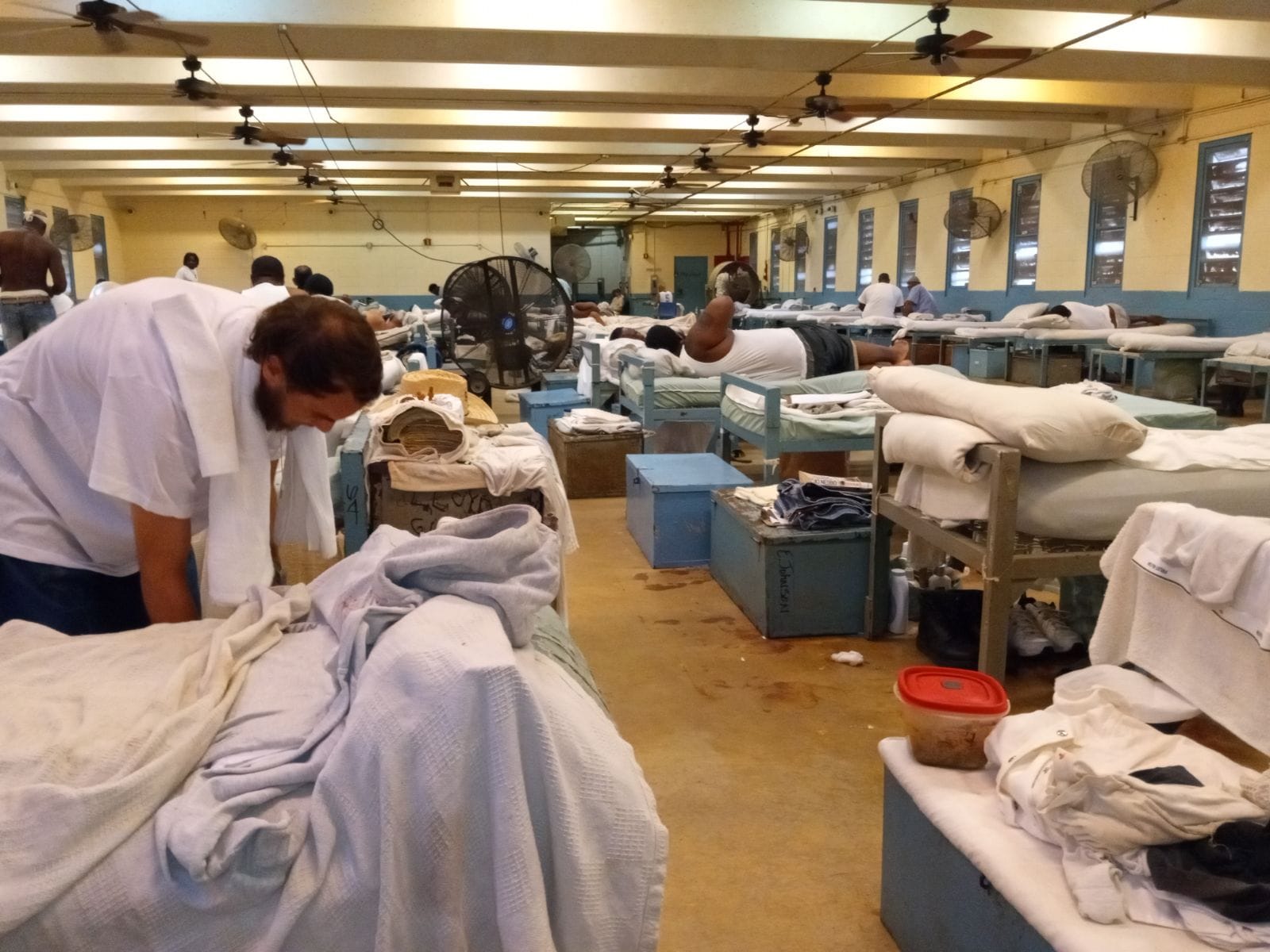
Despite those assurances, Miller has reportedly continued to face work assignments that raise concerns about his health. When he has refused labor on medical grounds, he has reportedly been subjected to confinement as discipline. These claims have not been adjudicated as part of the class action lawsuit but reflect the same labor and disciplinary framework under judicial scrutiny.
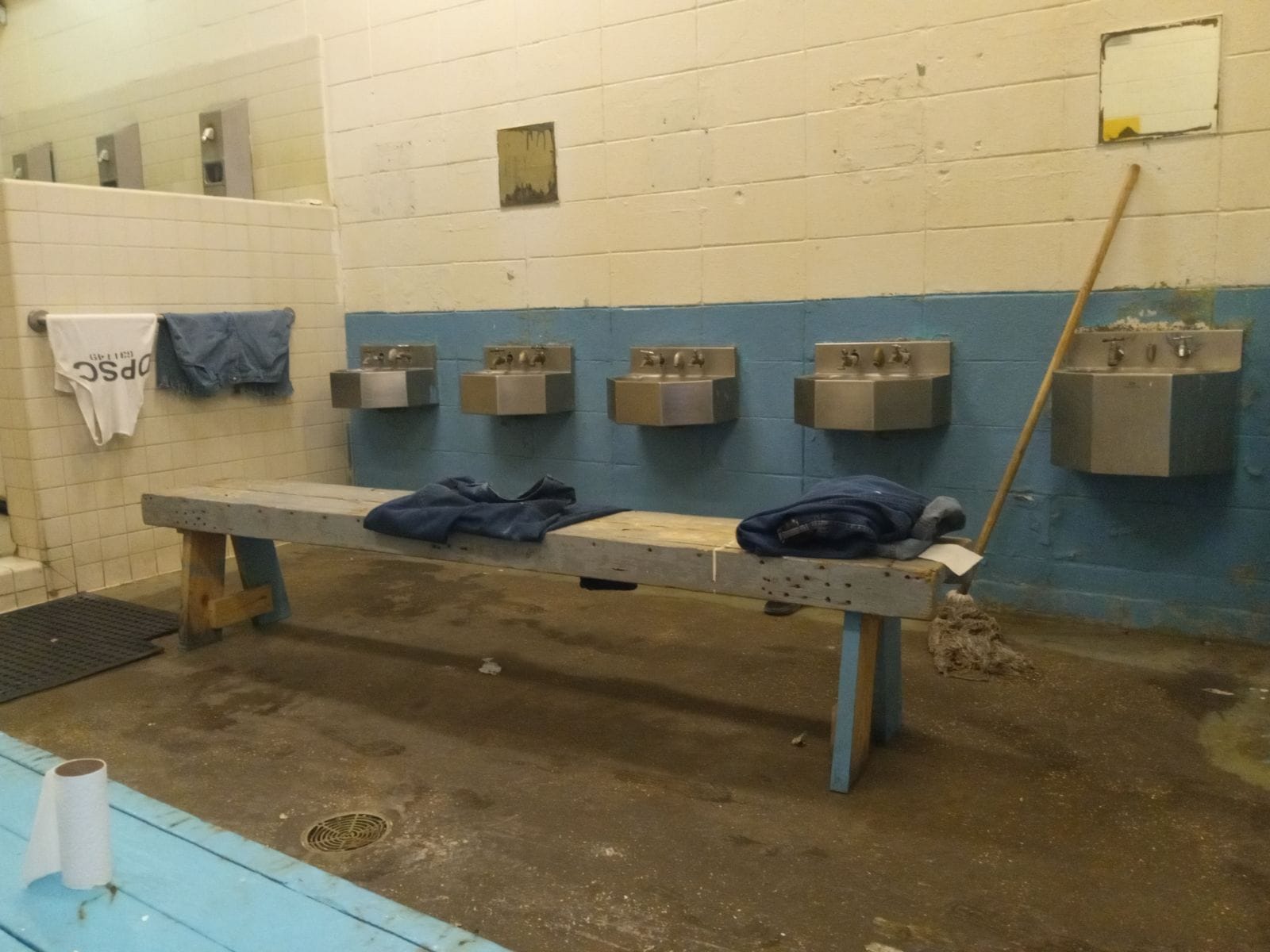
Miller’s experience at Angola has drawn attention before. Several years ago, he was identified as a leading participant in a hunger strike protesting prison conditions, including medical care, labor practices, and treatment within maximum-security housing. That protest highlighted many of the same concerns now being examined in federal court.

The scrutiny of Angola’s labor system comes amid a broader crisis at the facility. Louisiana’s governor has declared a state of emergency at Angola, citing unsafe and deteriorating conditions, particularly within maximum-security units. While the declaration does not directly alter the farm line lawsuit or Miller’s legal status, it underscores the severity of the conditions under review.
The emergency declaration adds context to claims raised in litigation and public discourse, reinforcing questions about whether existing safeguards are sufficient to protect incarcerated individuals’ health and safety.
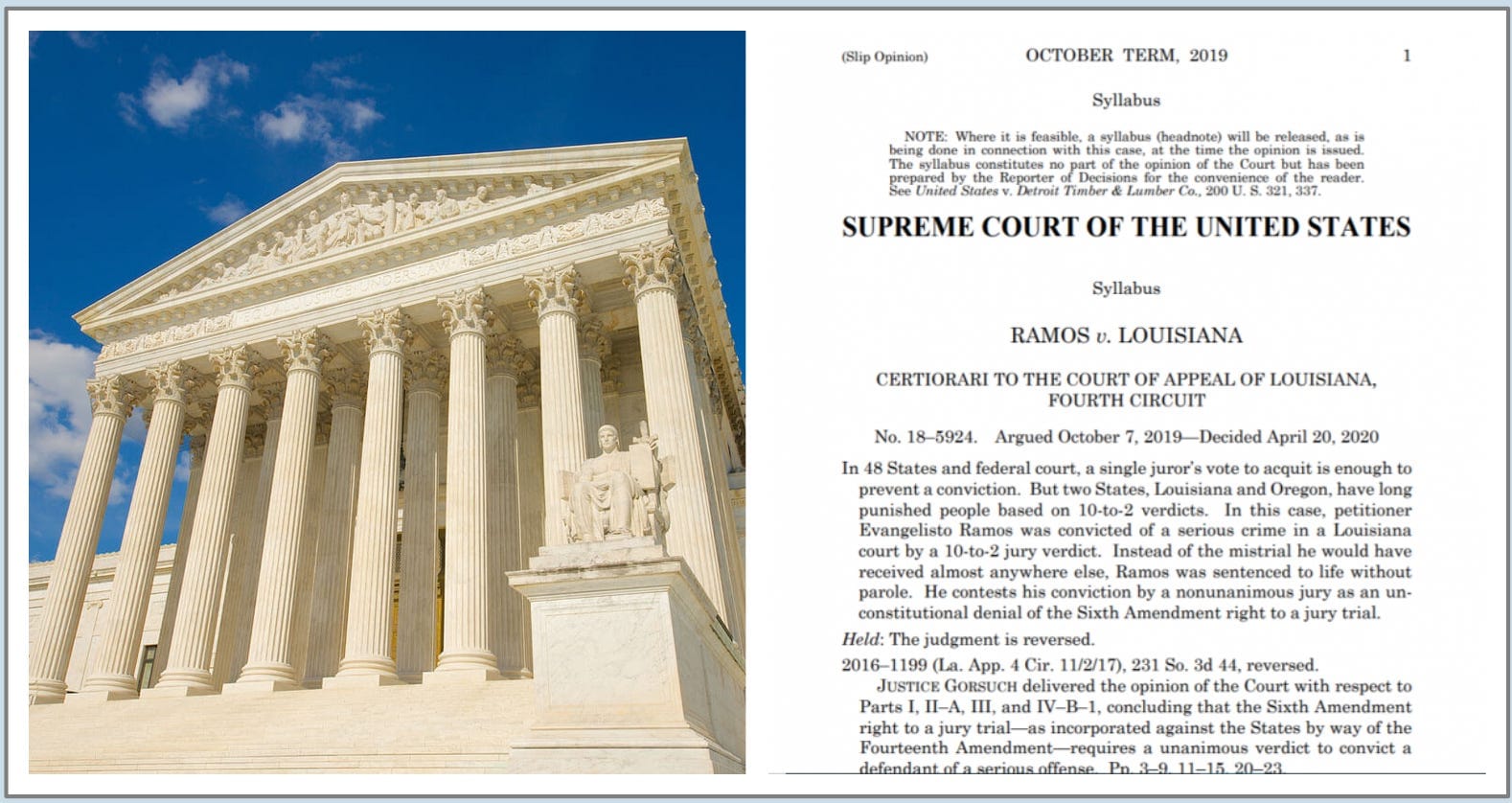
Separate from the conditions of confinement, Miller’s conviction itself continues to raise constitutional questions. He was convicted under Louisiana’s former 10–2 non-unanimous jury law, a statute later ruled unconstitutional by the U.S. Supreme Court due to its origins in racial discrimination. Although the law was invalidated, subsequent rulings limited retroactive relief, leaving many convictions intact unless successfully challenged through individual legal proceedings.
As a result, Miller’s incarceration reflects both unresolved questions about the fairness of his original conviction and the present-day conditions under which that sentence is being served.
The farm line lawsuit and Corey Miller’s confinement converge not in legal strategy, but in substance. Both involve the same institution, the same labor system, and the same environmental and disciplinary conditions now being examined for constitutional compliance.
Together, they illustrate how questions of justice extend beyond conviction to encompass the realities of incarceration — where labor, medical care, and discipline intersect with constitutional protections. As the courts continue to review Angola’s practices, these intertwined issues remain under federal and public scrutiny, shaping the next chapter in the prison’s long and contested history.